 BARN OCH KVINNOR UGANDA (BOK) | COMMUNITY IMPACT NEWSLETTER
Supporting Children with Disabilities: From Assistance to Inclusion
4th August 2026 | Mende Sub-county, Wakiso District
A COMMUNITY WHERE EVERY CHILD MATTERS.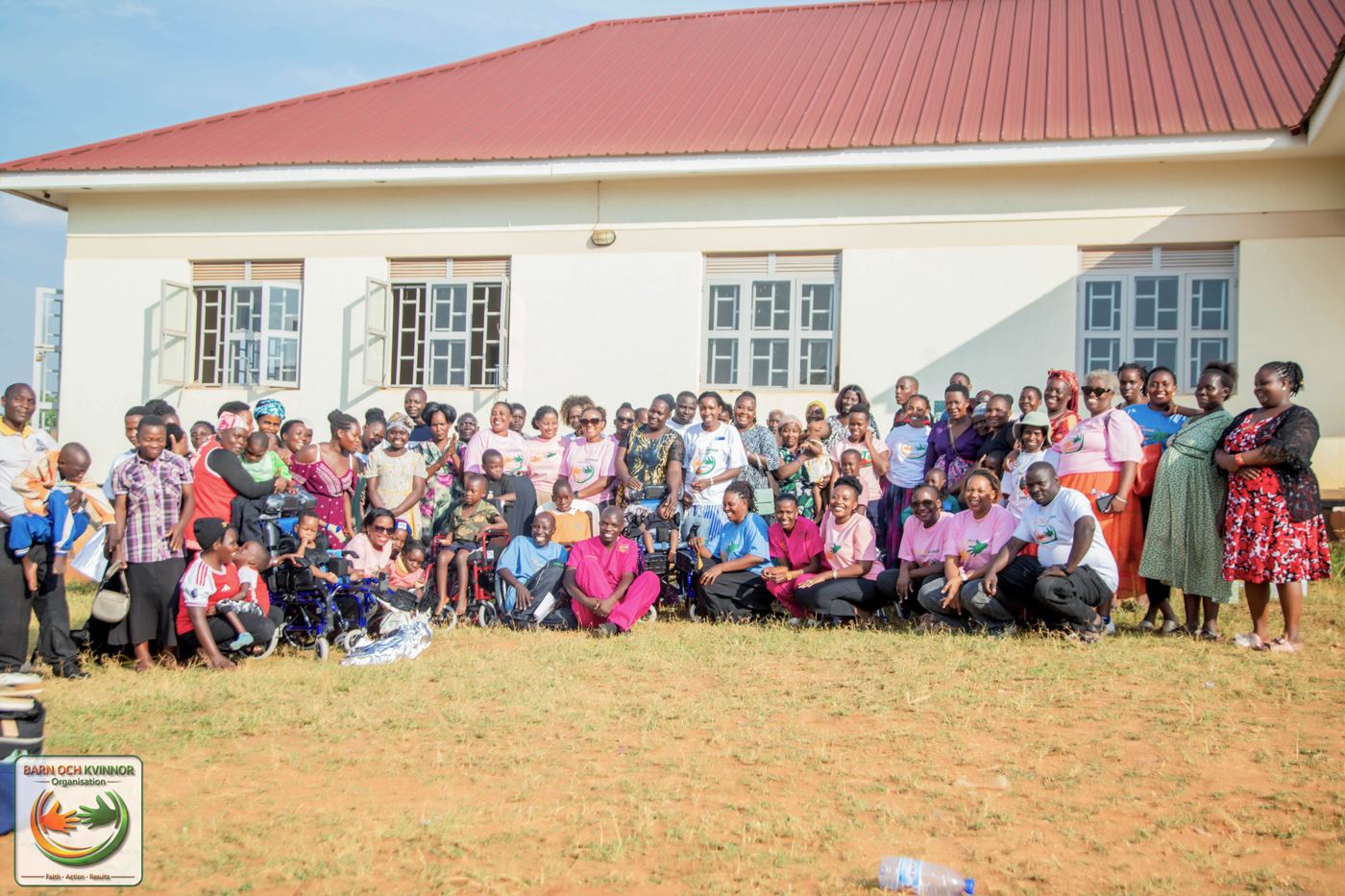
Barn och Kvinnor Uganda (BOK) is committed to building inclusive and resilient communities where children with disabilities and other vulnerable groups can enjoy their rights, access essential services and participate meaningfully in community life. On 4th August 2026, BOK implemented an Integrated Community-Based Disability Support, Rehabilitation and Inclusion Outreach at Mende Sub-county Headquarters in Wakiso District.
The intervention was designed to go beyond one-time donations. It brought together disability support, rehabilitation, parental capacity-building, legal awareness, food and clothing assistance, and community engagement to respond to the different needs faced by children with disabilities and their families.
WHY THIS INTERVENTION MATTERS
Children with disabilities and their families can face multiple barriers, including limited access to assistive devices, rehabilitation services, information on their rights and protection services, as well as financial pressures associated with caregiving.
BOK therefore adopted a holistic and community-based approach that places the needs and dignity of children and their families at the centre.
The programme sought to:
- Improve the wellbeing and inclusion of children with disabilities.
- Identify children requiring mobility and rehabilitation support.
- Provide appropriate assistive devices and supportive equipment.
- Equip parents and guardians with practical home-based physiotherapy skills.
- Increase awareness of disability rights and protection from violence and abuse.
- Provide food and clothing support to vulnerable families.
- Strengthen collaboration with local leaders and government structures.
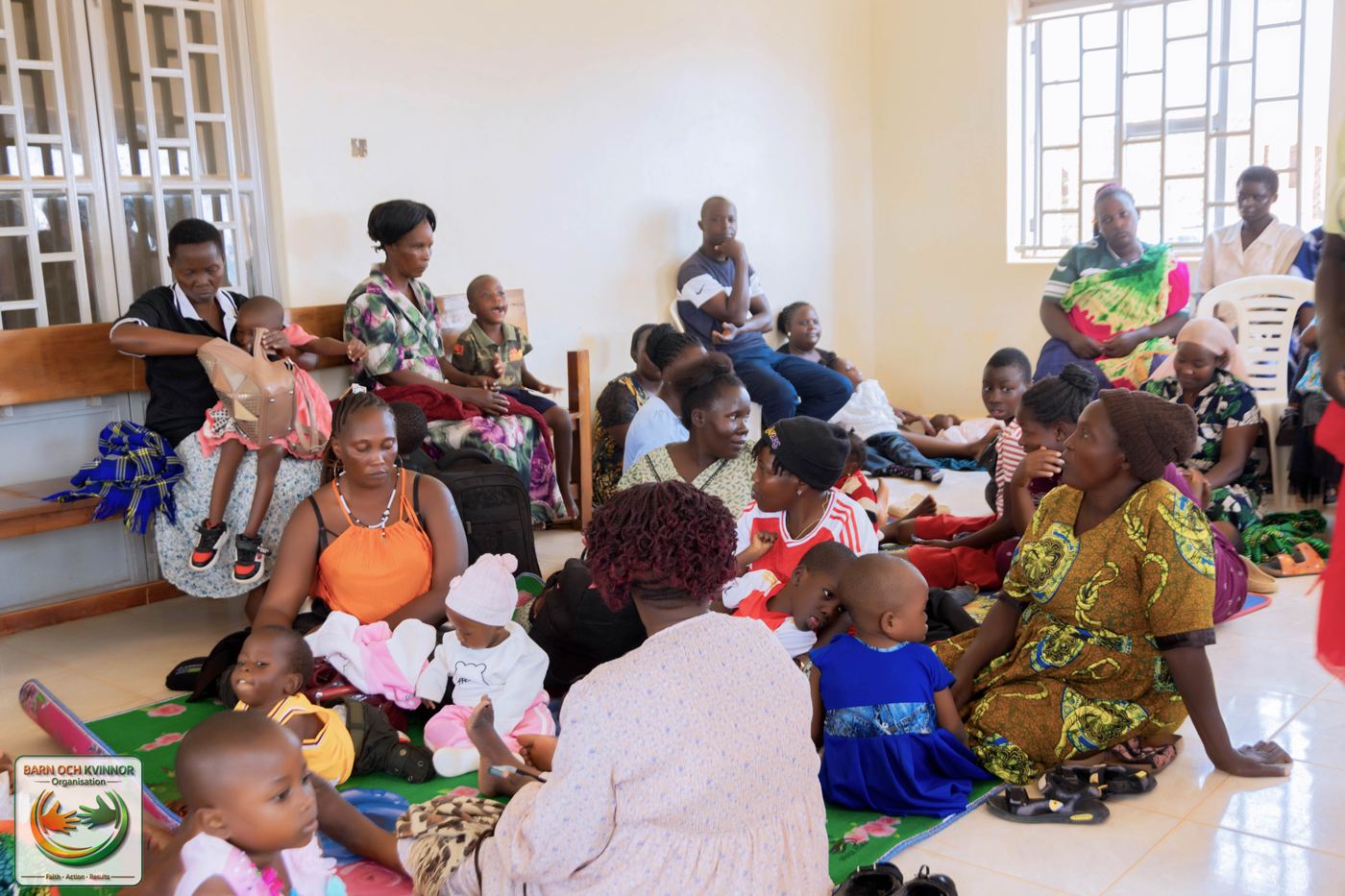
Before the session, BOK carried out a needs assessment. Particular attention was given to children who had previously missed out on mobility support and those whose individual needs required further assessment.
This needs-based approach enabled BOK to plan support according to the circumstances of individual children rather than applying a one-size-fits-all model.
MOBILITY SUPPORT FOR GREATER INDEPENDENCE
For a child with a mobility disability, an appropriate assistive device can mean much more than physical support. It can create opportunities for mobility, independence, participation and improved quality of life.
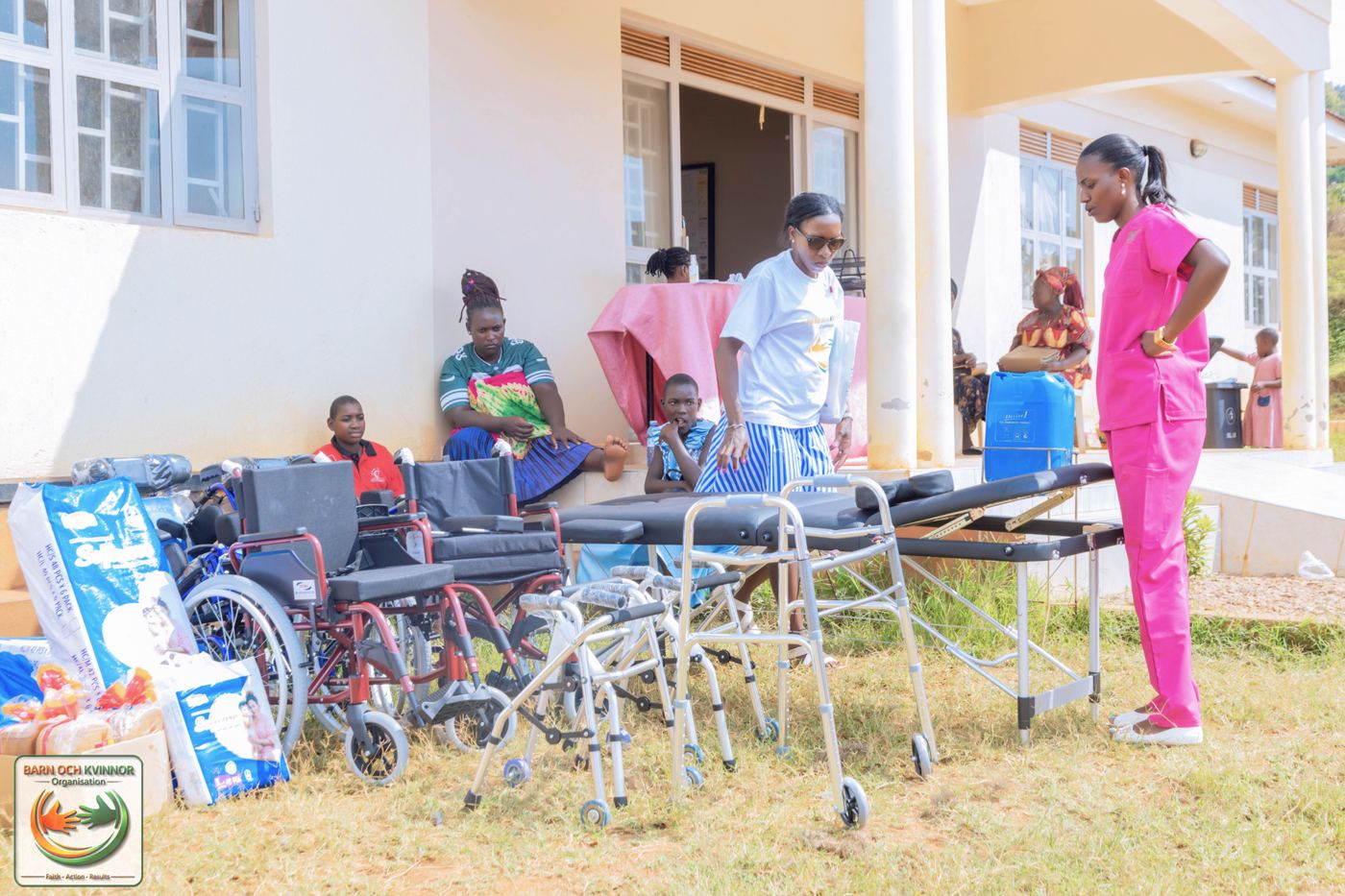
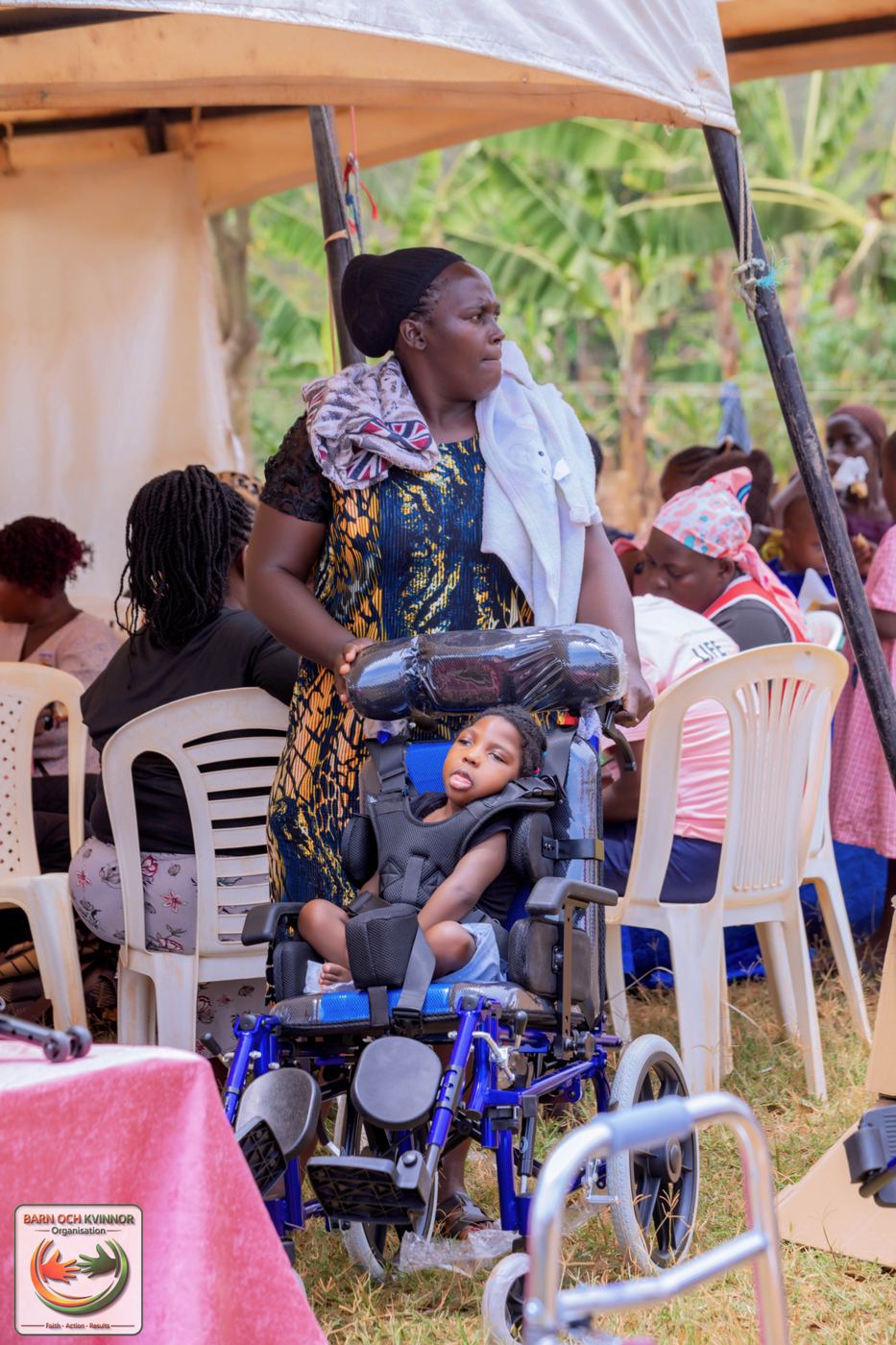
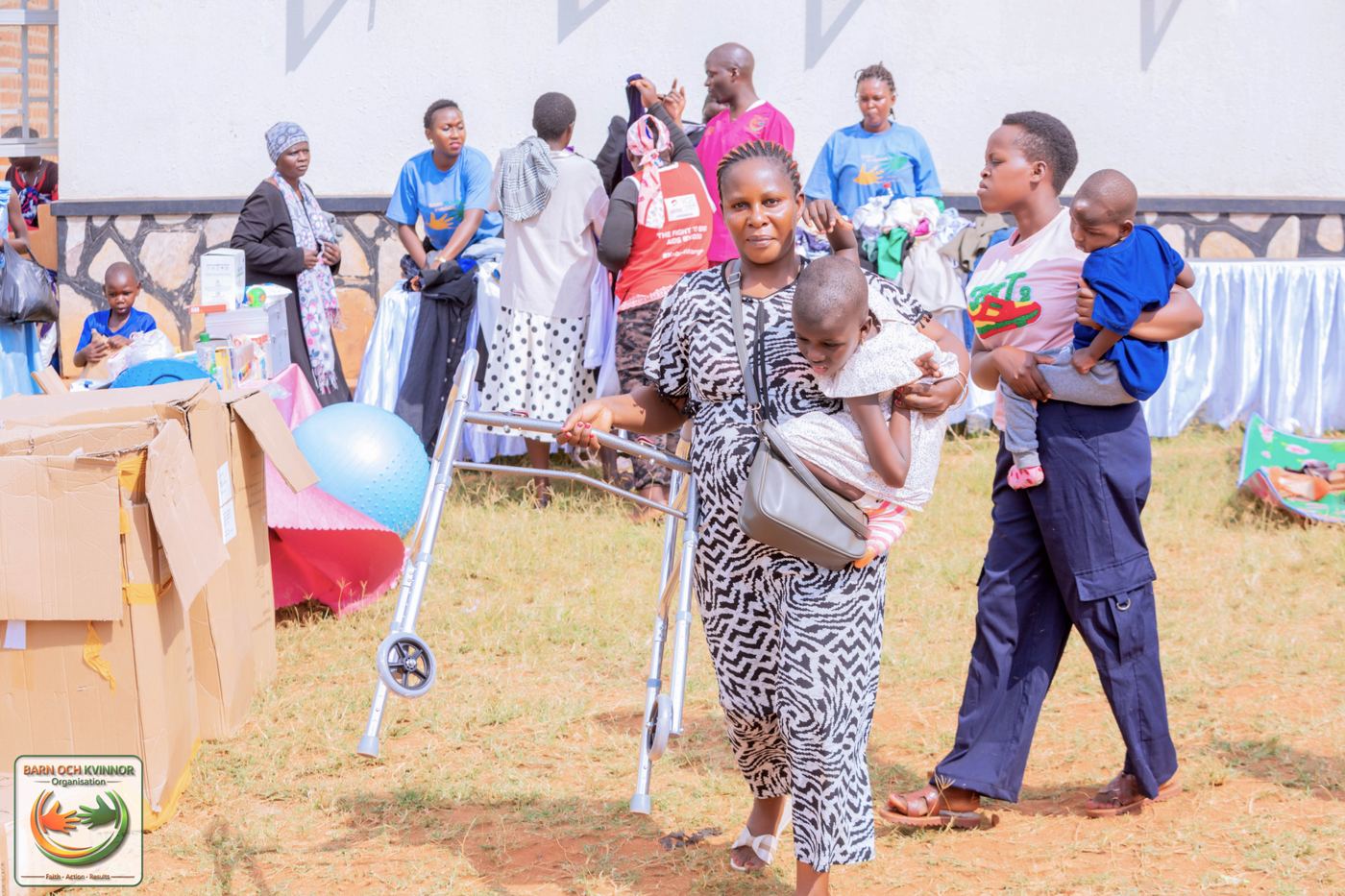
Based on identified needs, BOK planned for the provision of mobility and supportive equipment, including: wheelchairs, walking frames, standing frames, and physiotherapy equipment.
The intervention prioritised appropriate support based on assessed needs, ensuring that available resources reached children requiring them most.

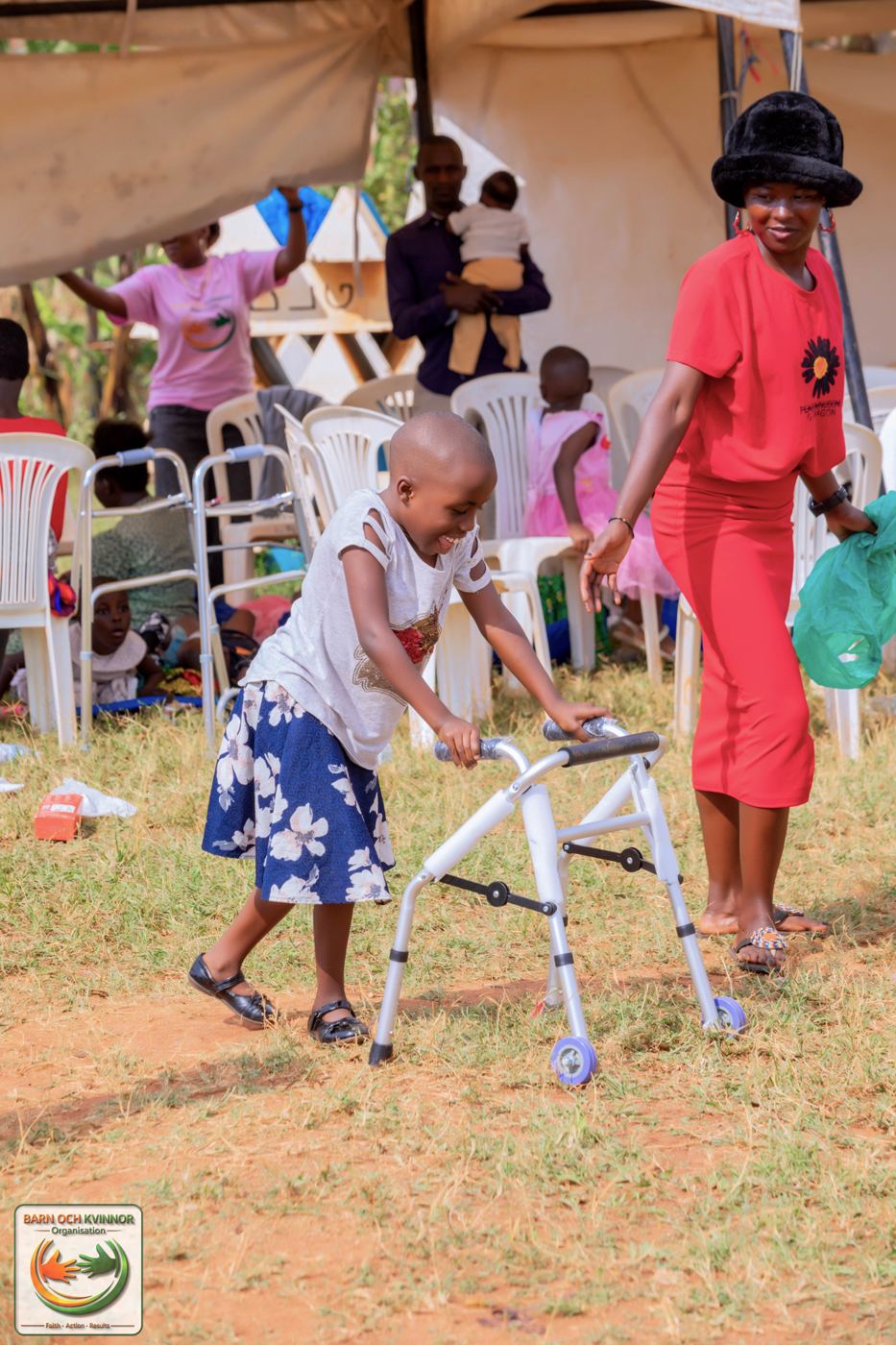
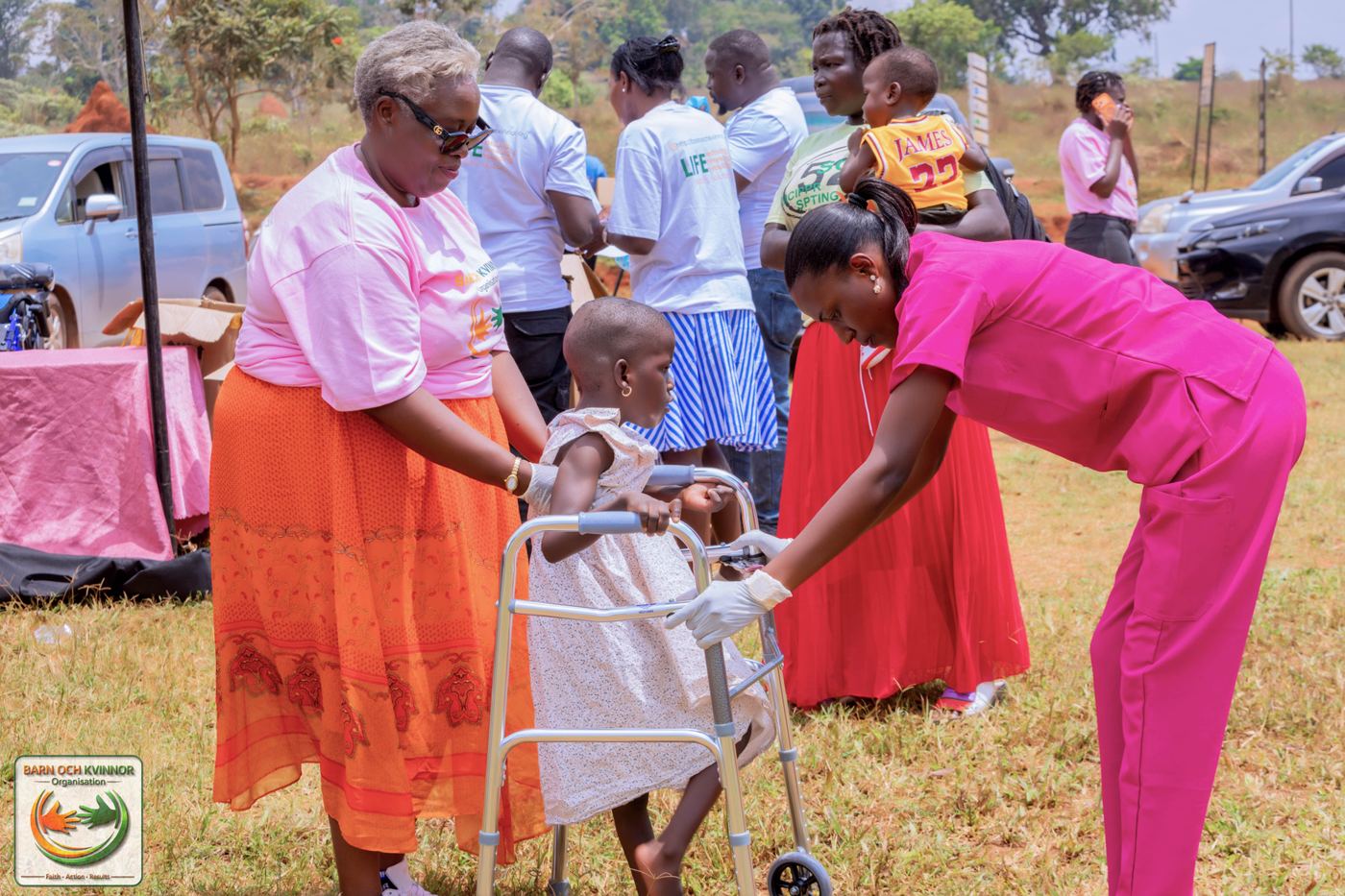
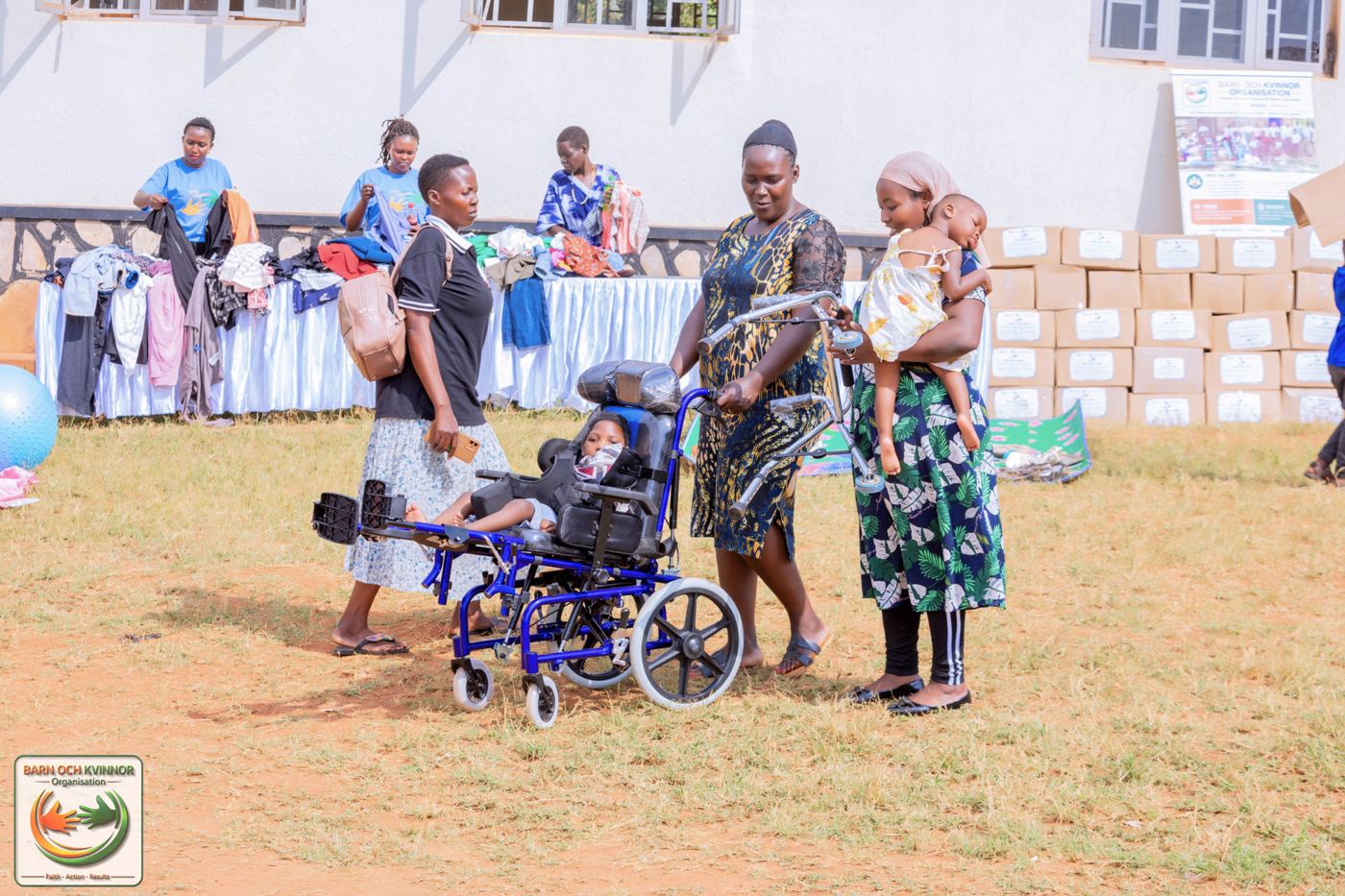
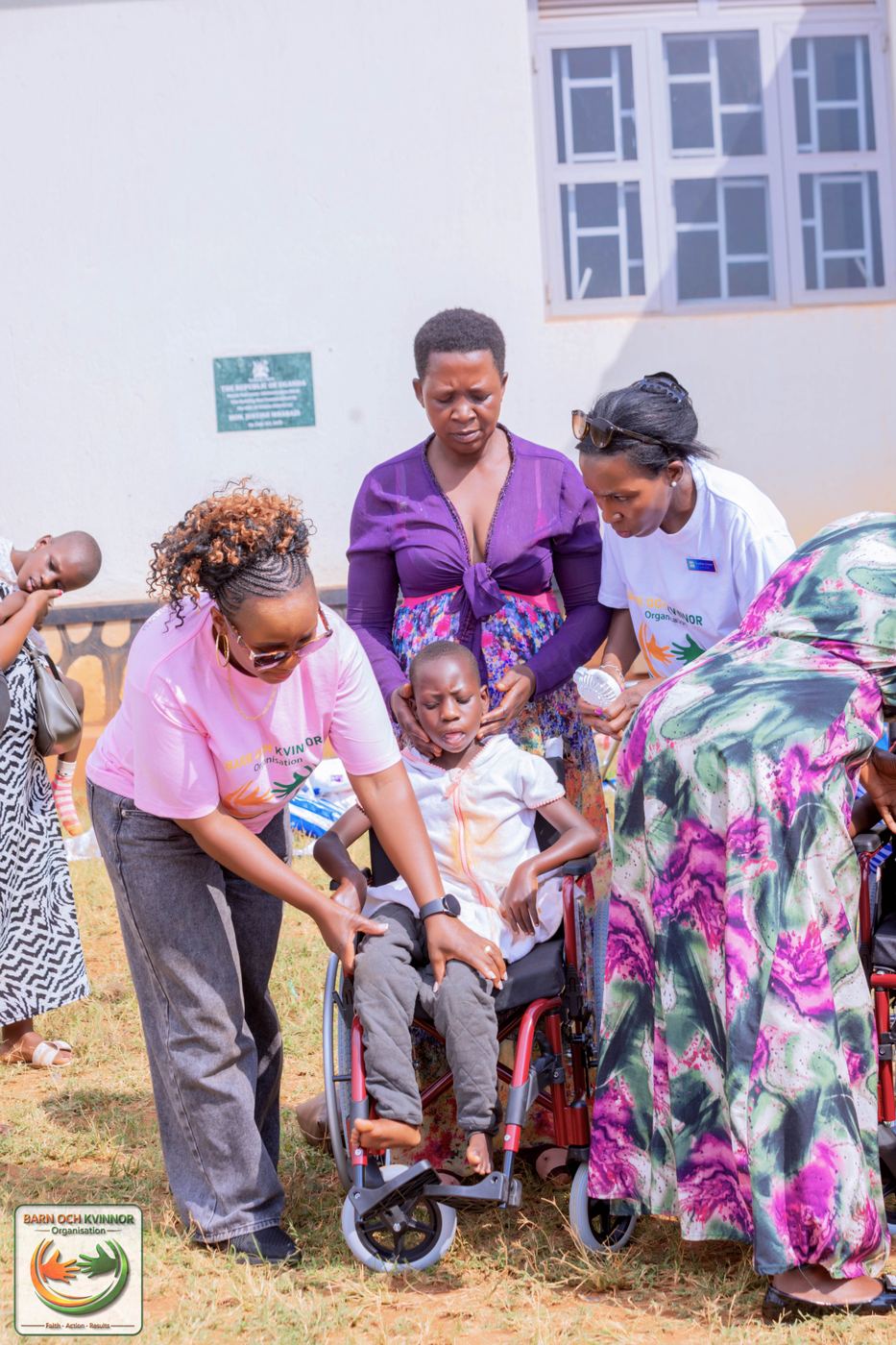
Wheelchairs, walking frames and standing frames were laid out and fitted on site, with BOK staff on hand to guide caregivers through their correct use.
EMPOWERING PARENTS THROUGH PHYSIOTHERAPY
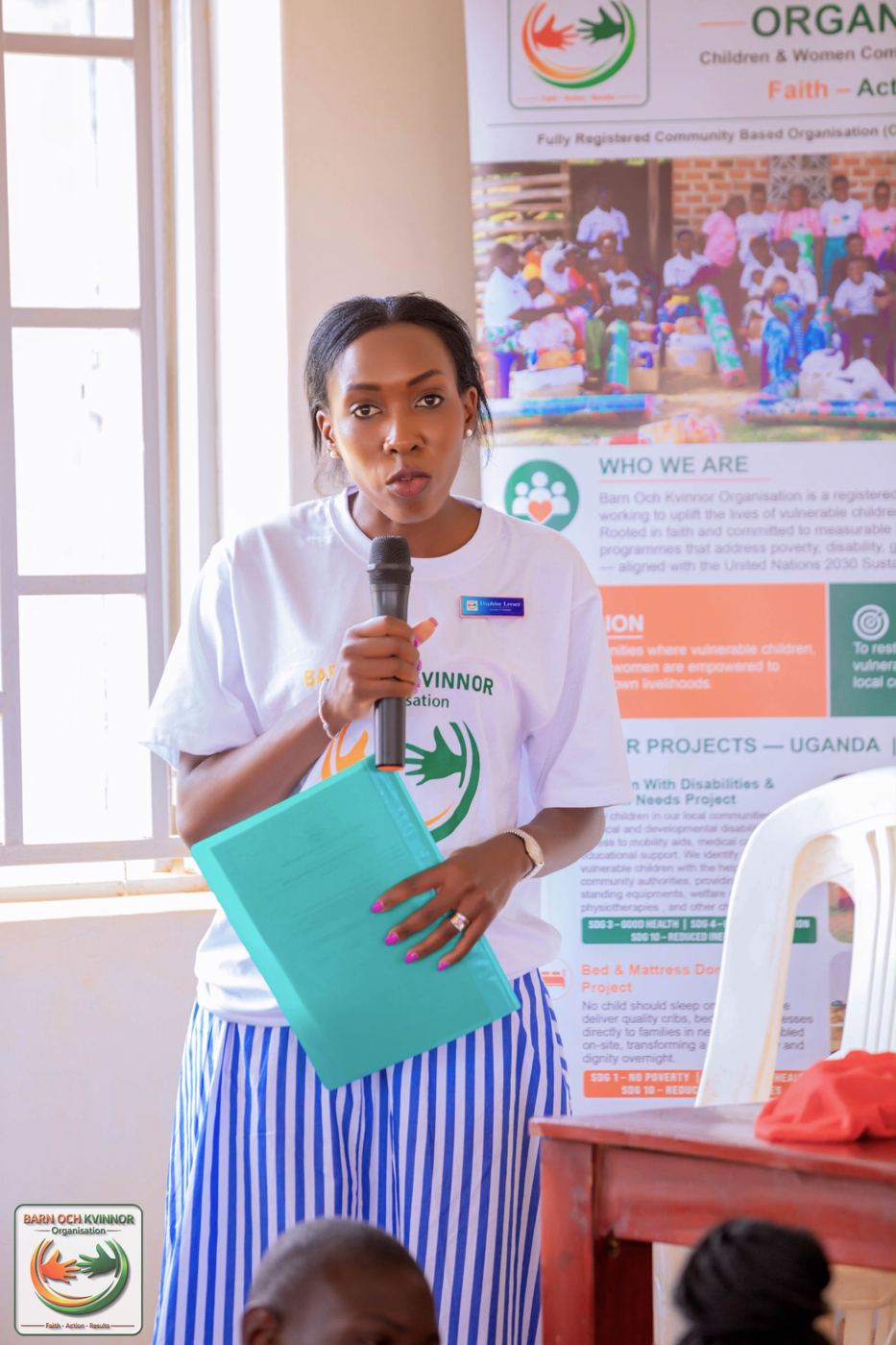
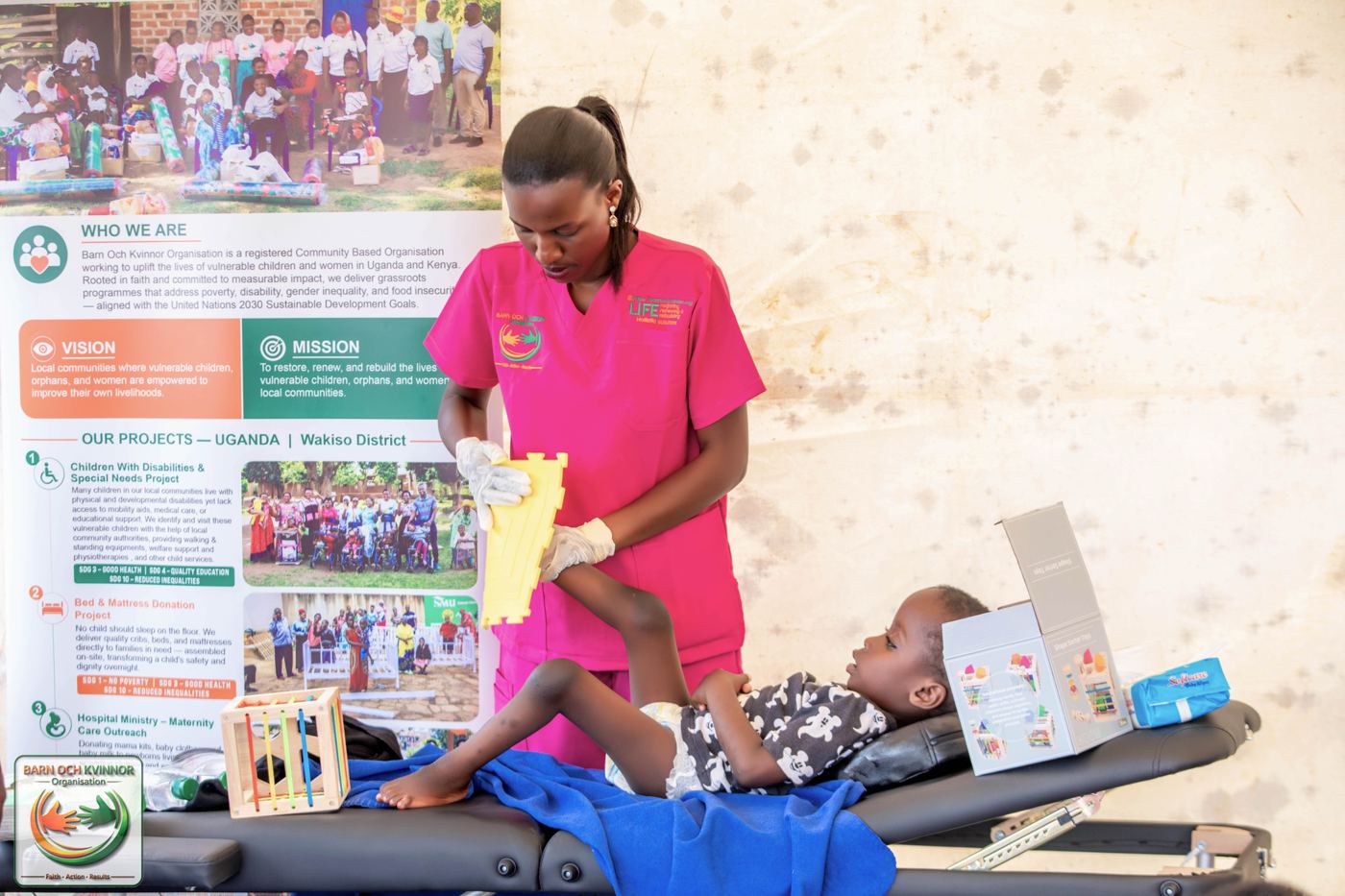
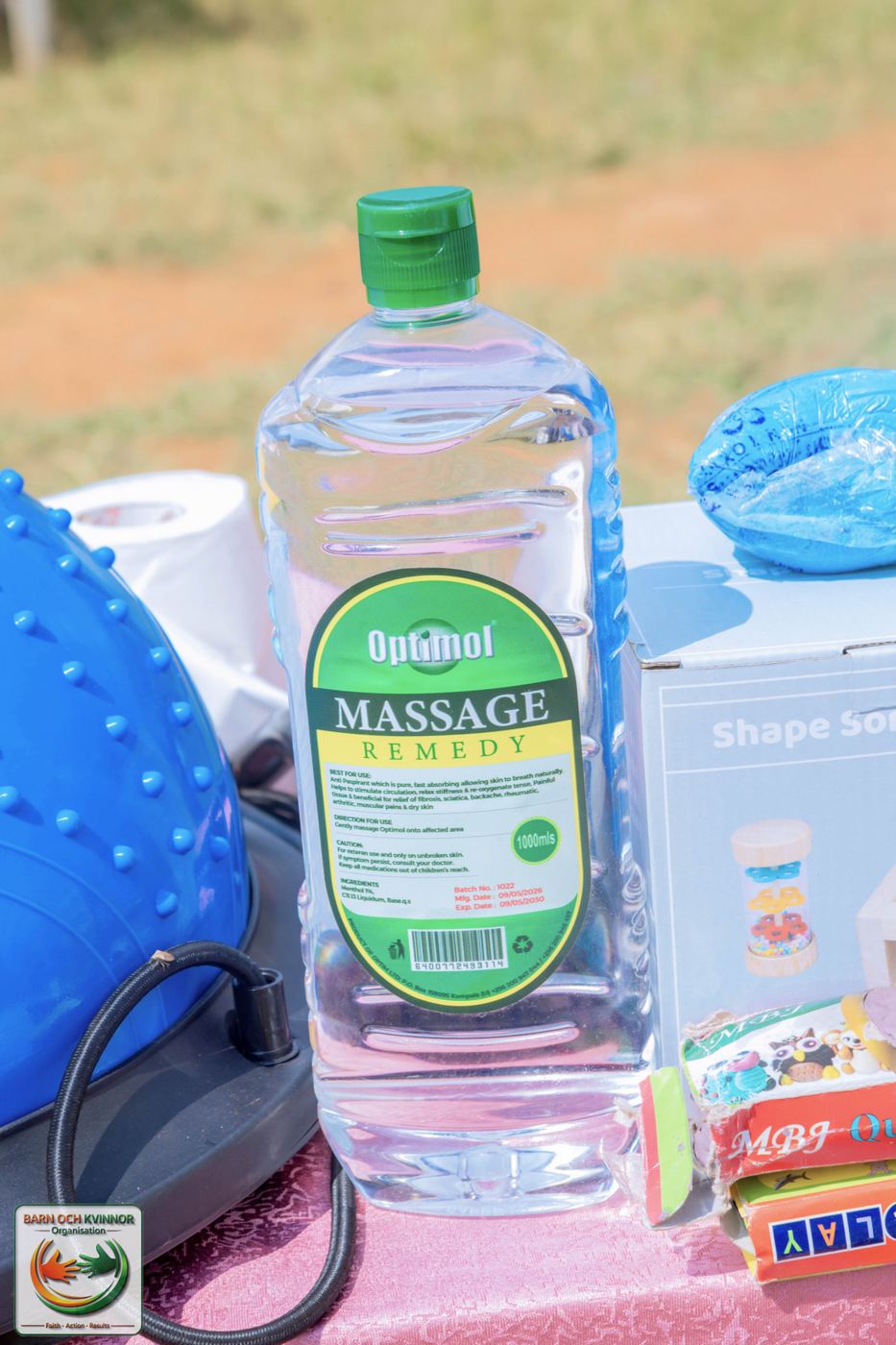
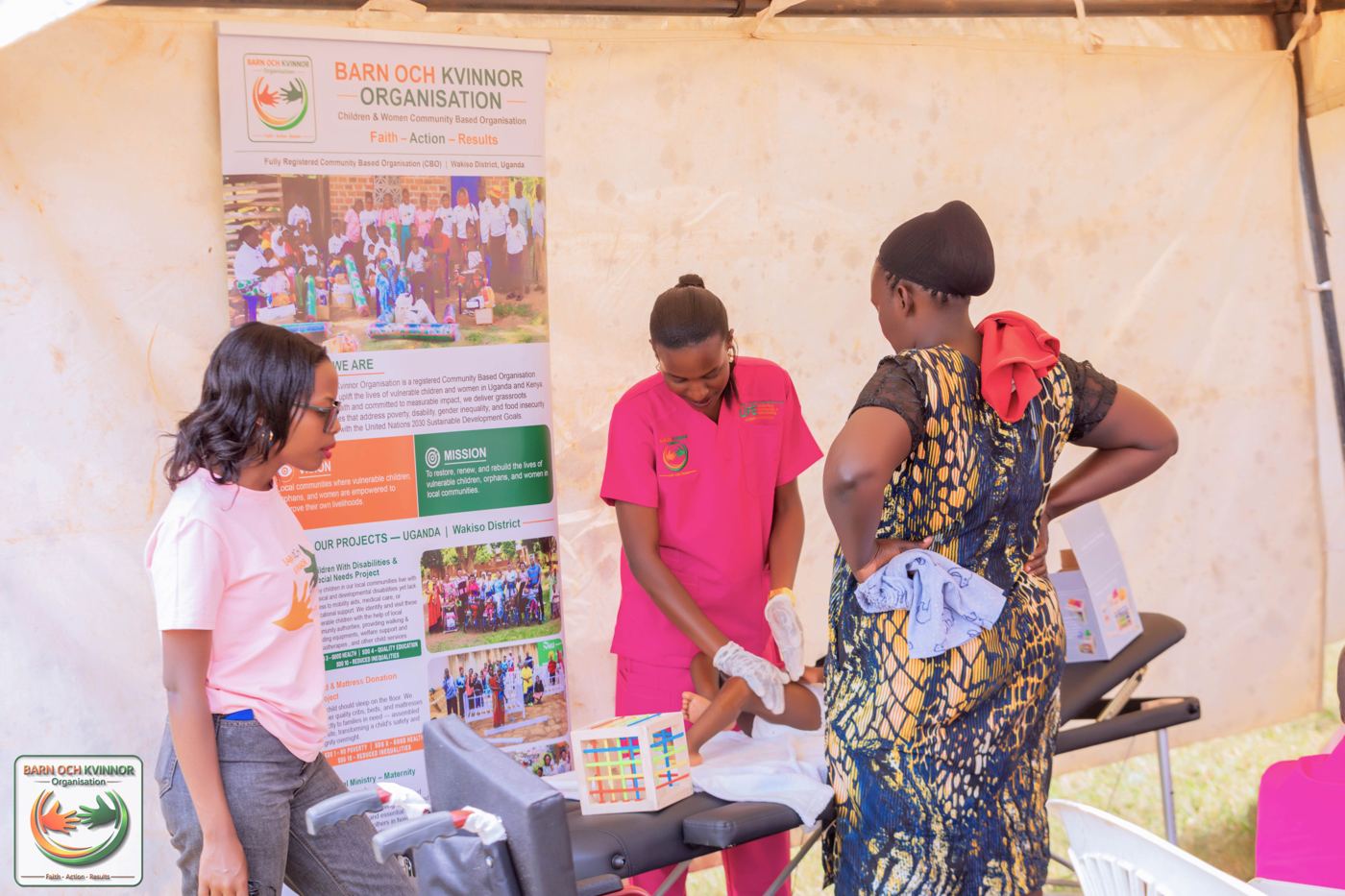
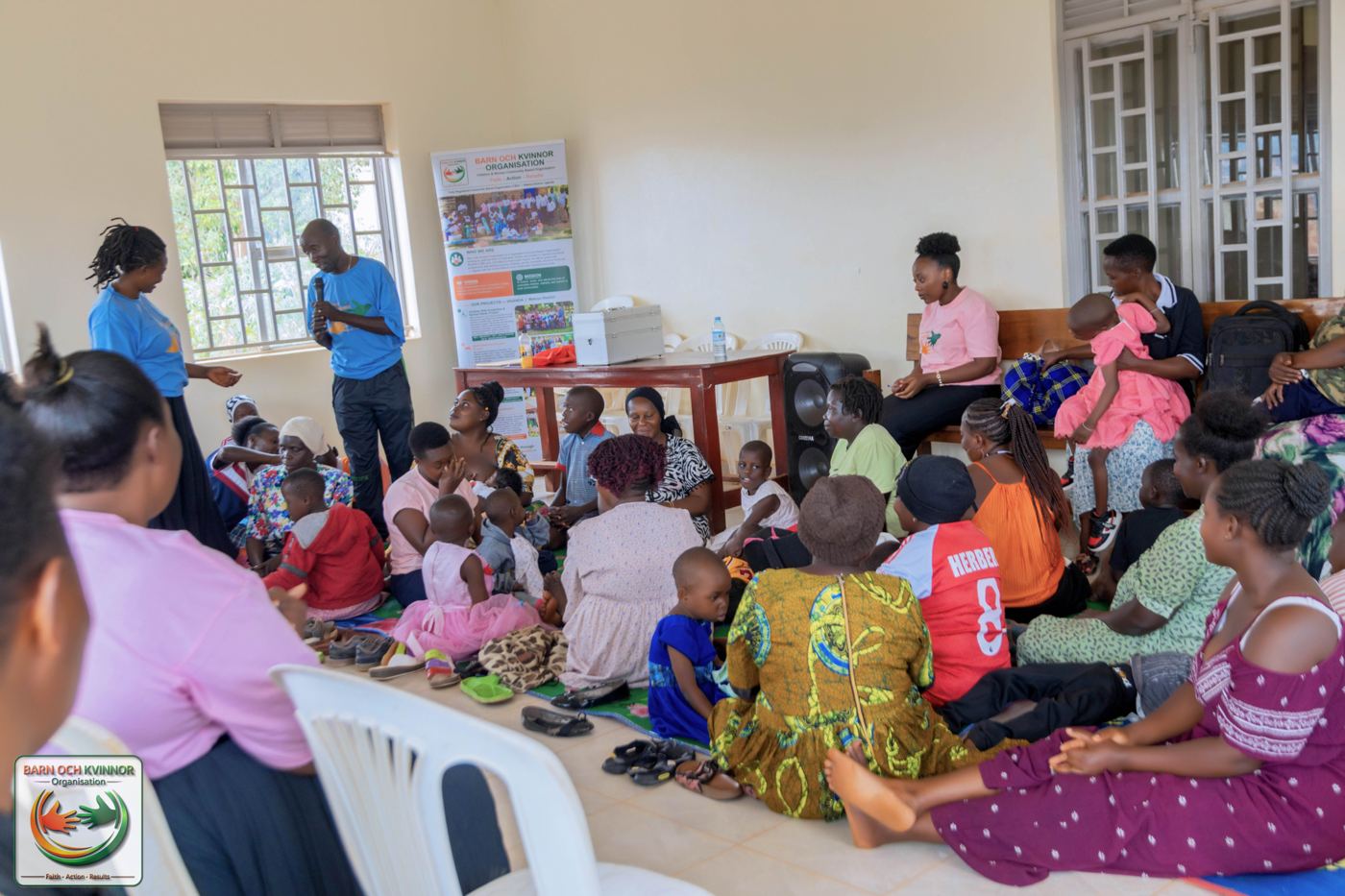
The outreach included practical physiotherapy and mobility-support sessions.
Rather than limiting support to the day of the intervention, parents and guardians were guided on safe and simple exercises that can be continued at home.
This caregiver-focused approach is important because children with mobility challenges may require continuous physical support and exercises beyond a single outreach activity.
By strengthening caregivers' knowledge and practical skills, BOK aims to promote continuity of care and reduce dependence on one-off interventions.

PROTECTING CHILDREN THROUGH LEGAL AWARENESS
Disability inclusion must also include protection and access to justice. The programme therefore incorporated a legal awareness session focusing on:
- Gender-based violence prevention;
- Rights and legal protections;
- Recognising abuse and violence;
- Reporting mechanisms;
- Available protection services; and
- Referral pathways.
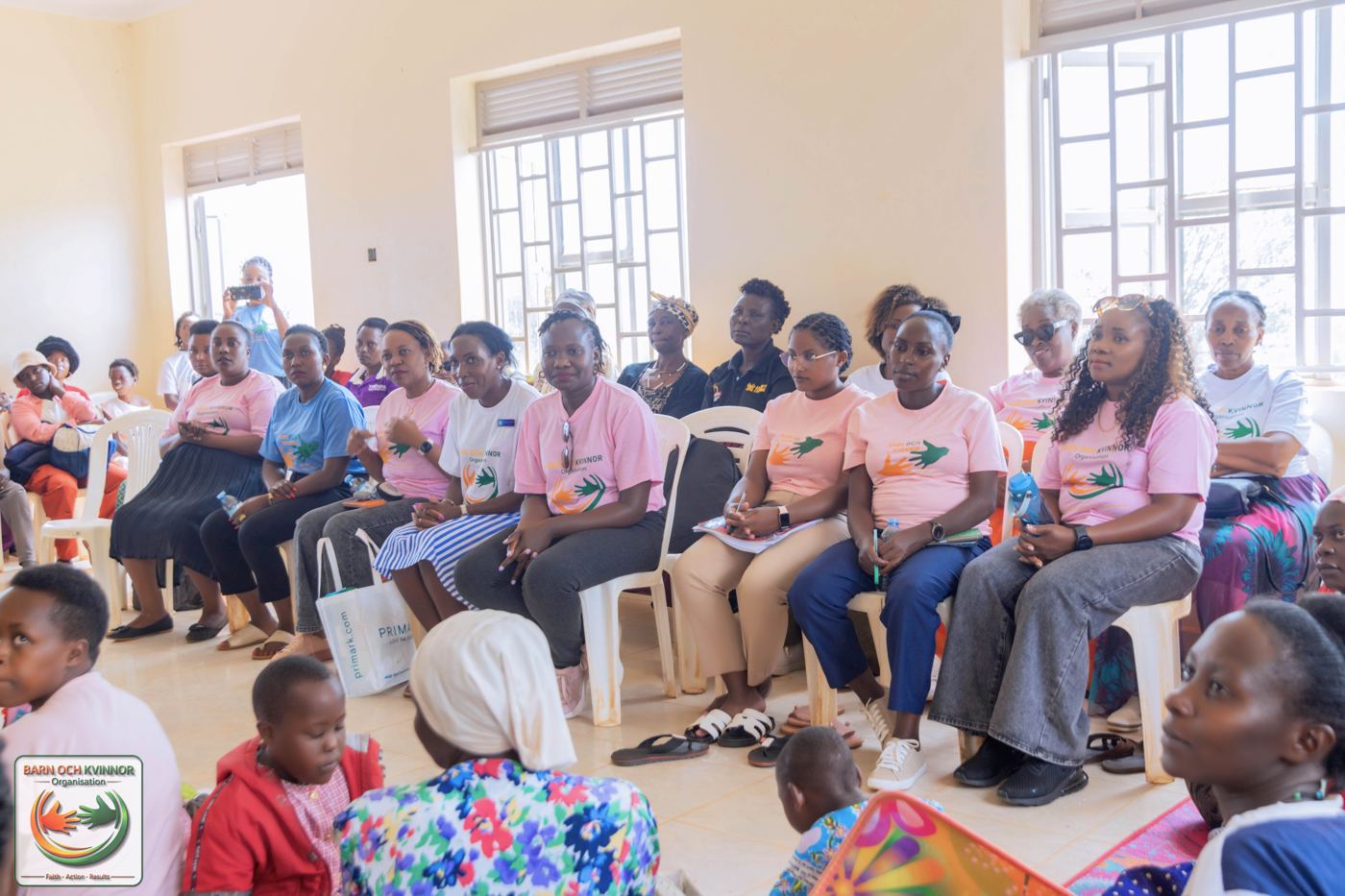
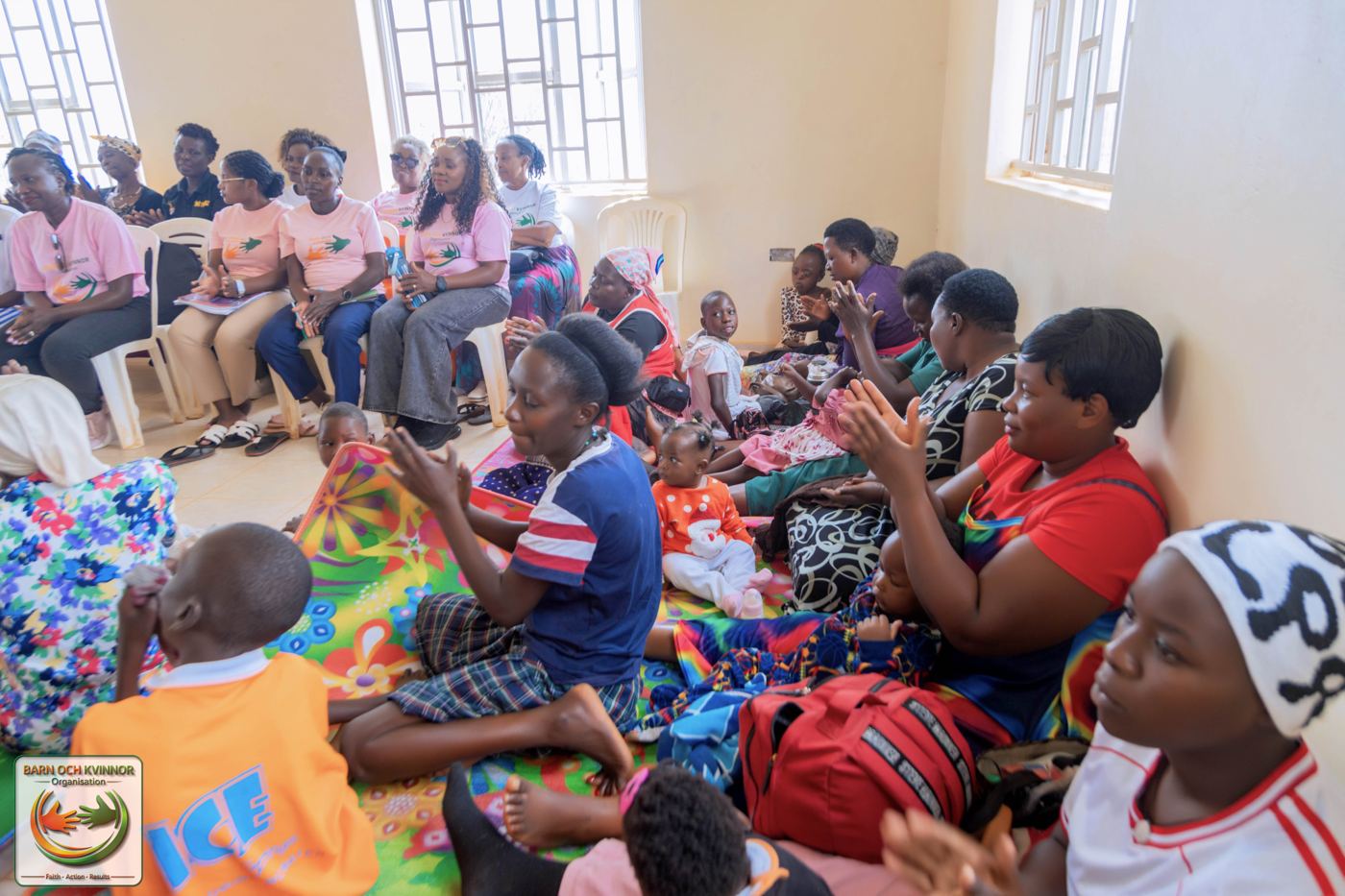
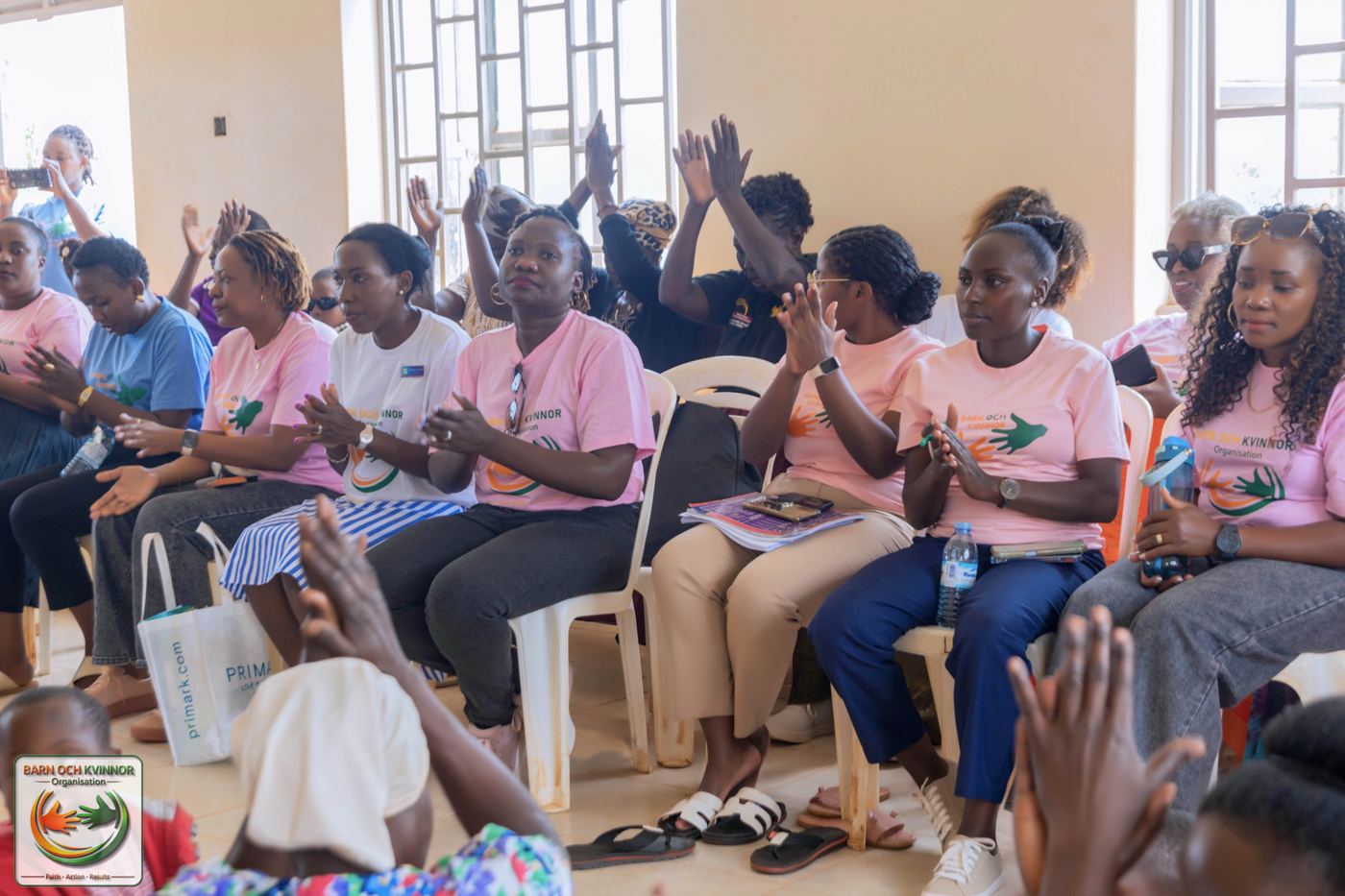
Parents, guardians and community members were encouraged to ask questions and discuss the challenges faced by vulnerable children and families.
The session sought to ensure that families understand not only what their rights are, but also where to seek help when those rights are violated.

SUPPORTING FAMILIES BEYOND DISABILITY SERVICES
BOK recognises that disability-related challenges often affect the entire household.
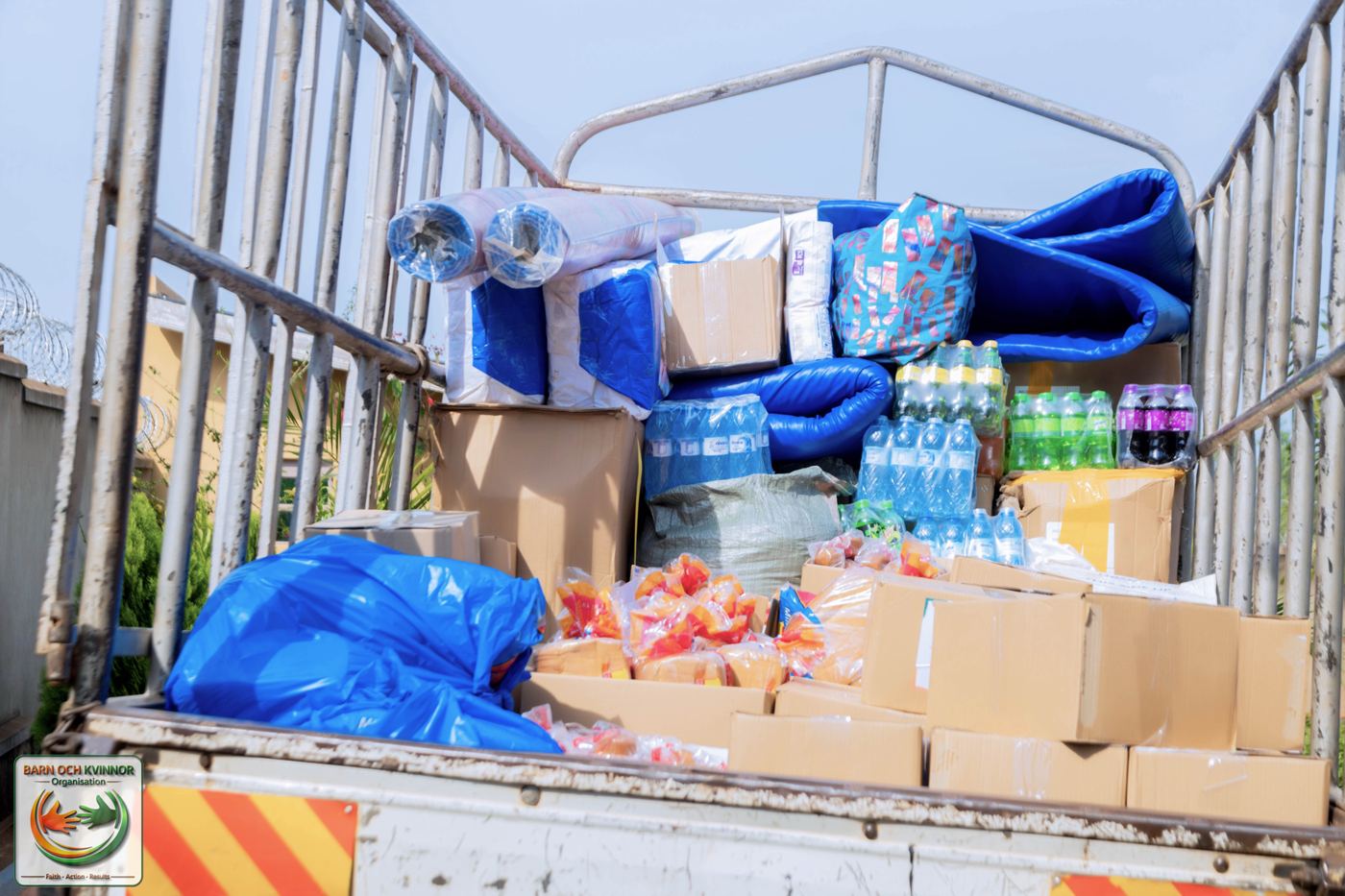
To provide practical relief to vulnerable families, the intervention also included the distribution of food assistance, clothing, and other supportive items.
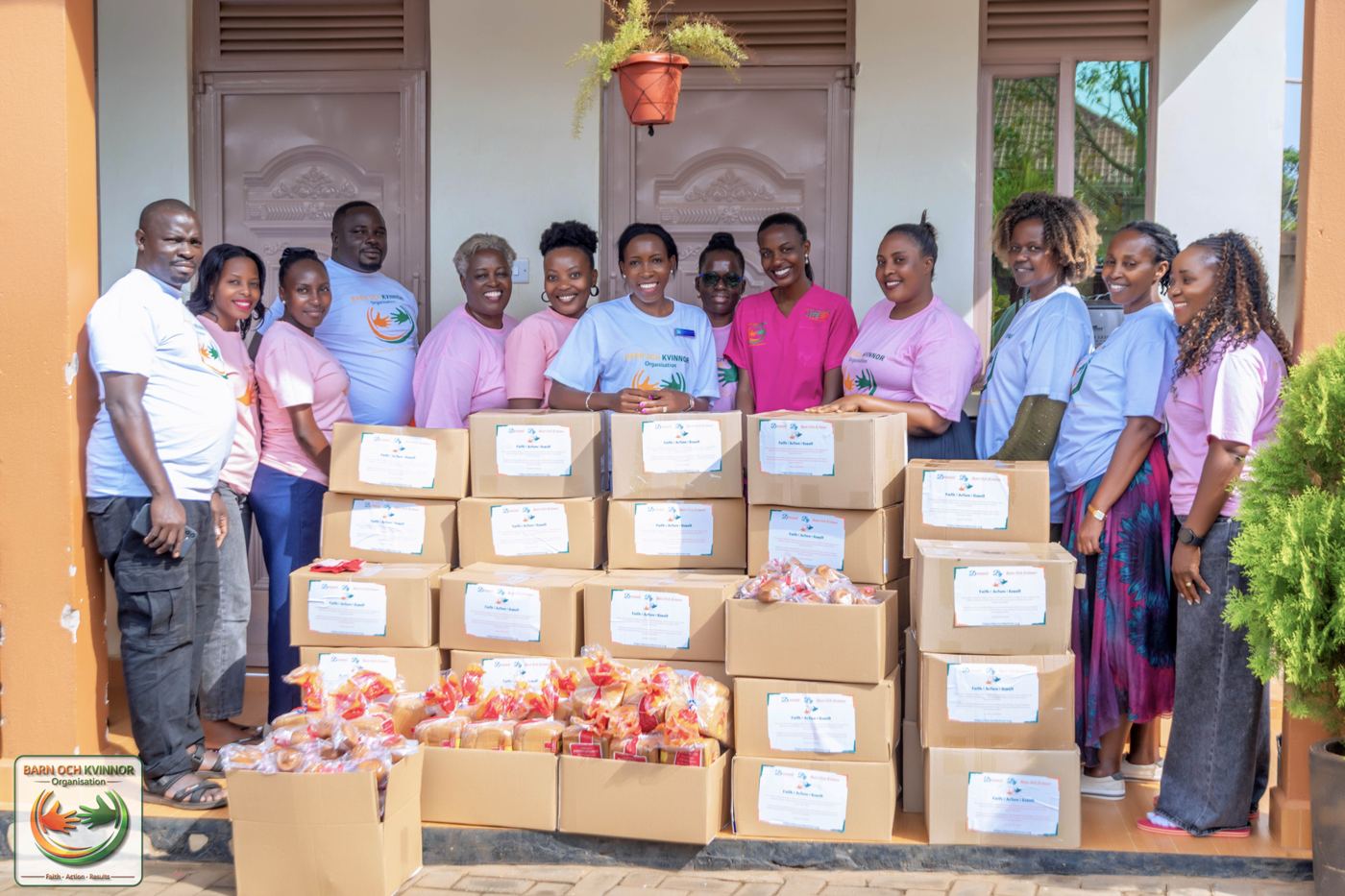
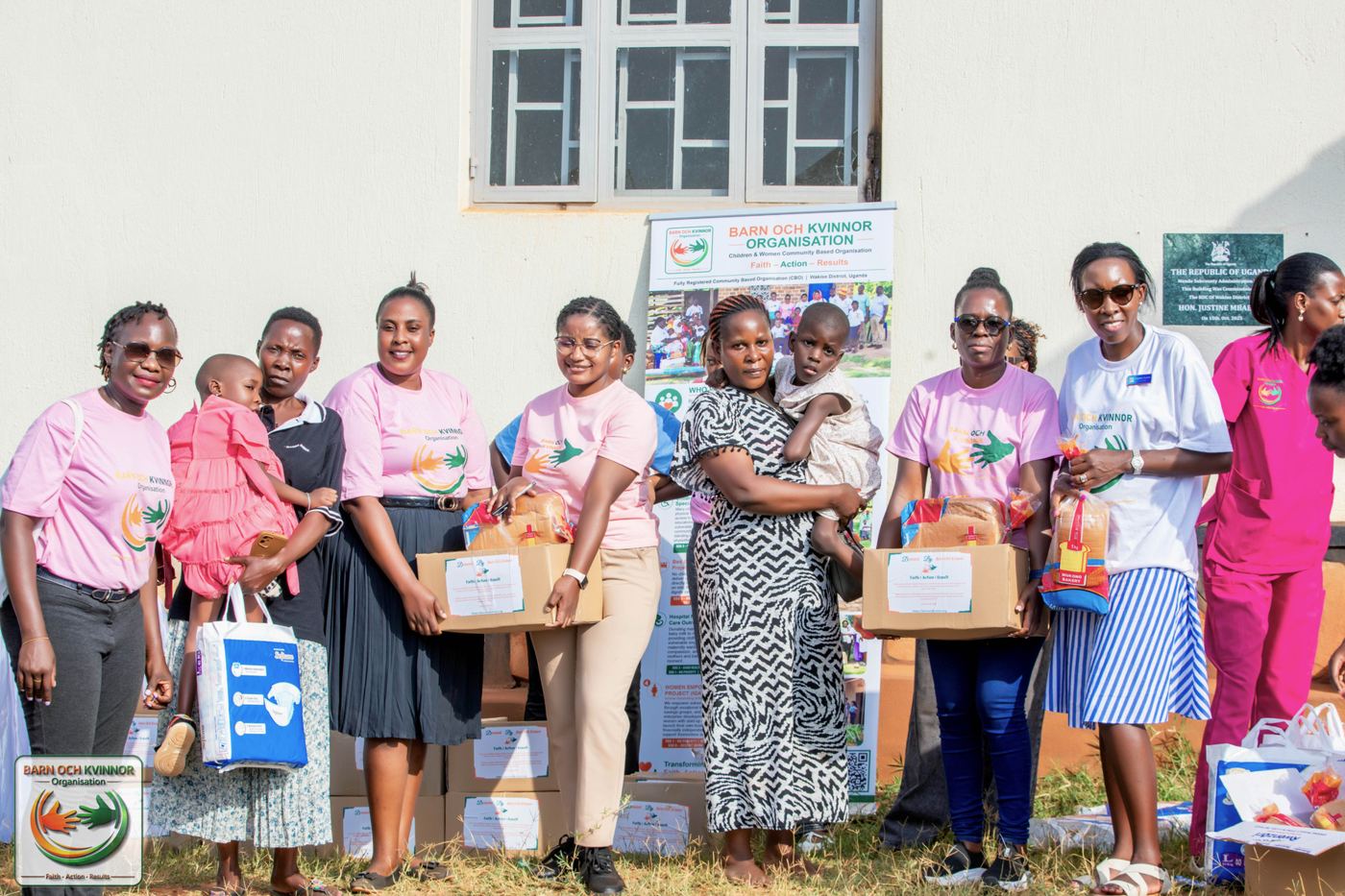
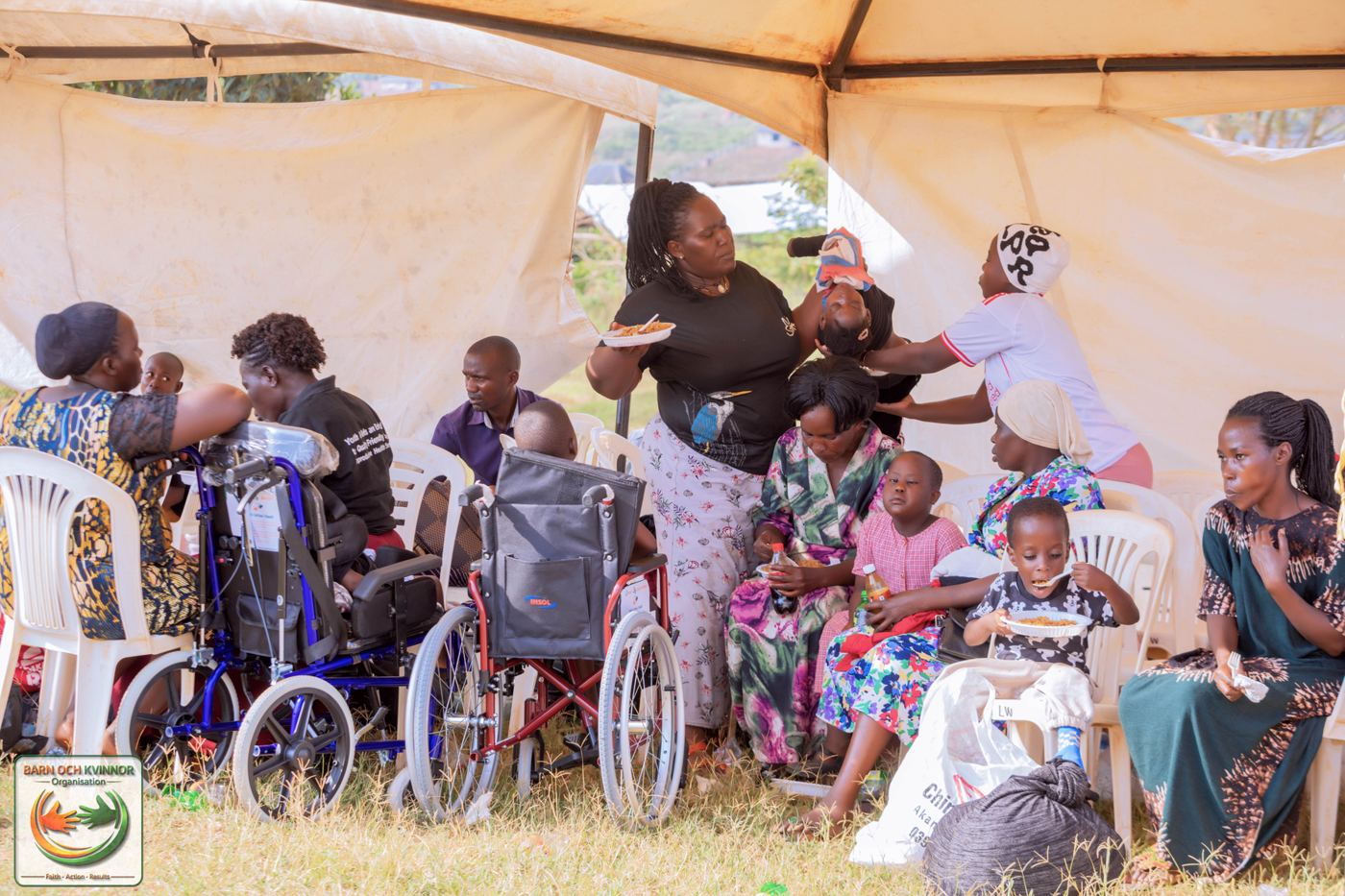
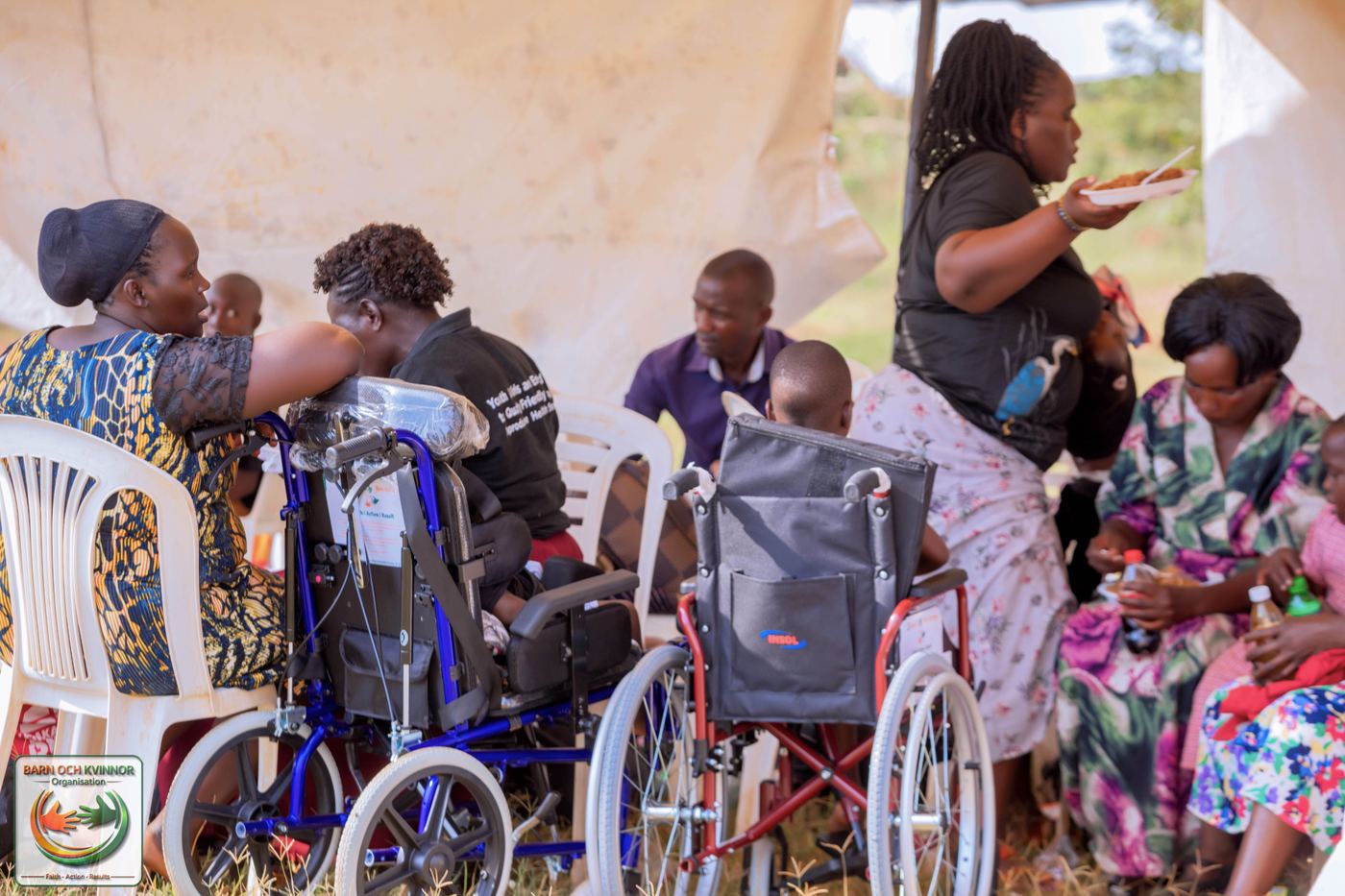
These forms of assistance are intended to respond to immediate household needs while complementing longer-term efforts towards inclusion, rehabilitation and empowerment.
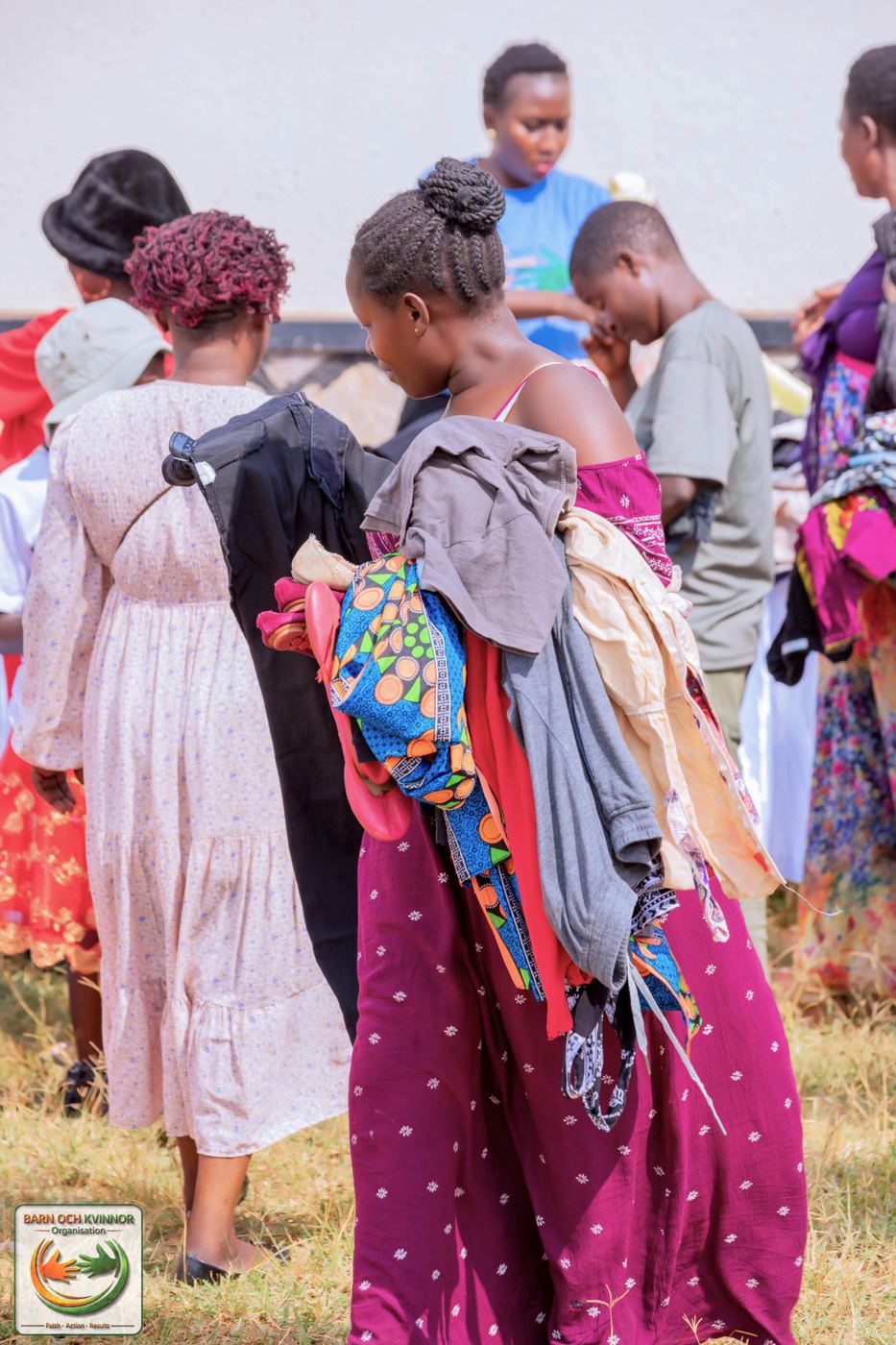
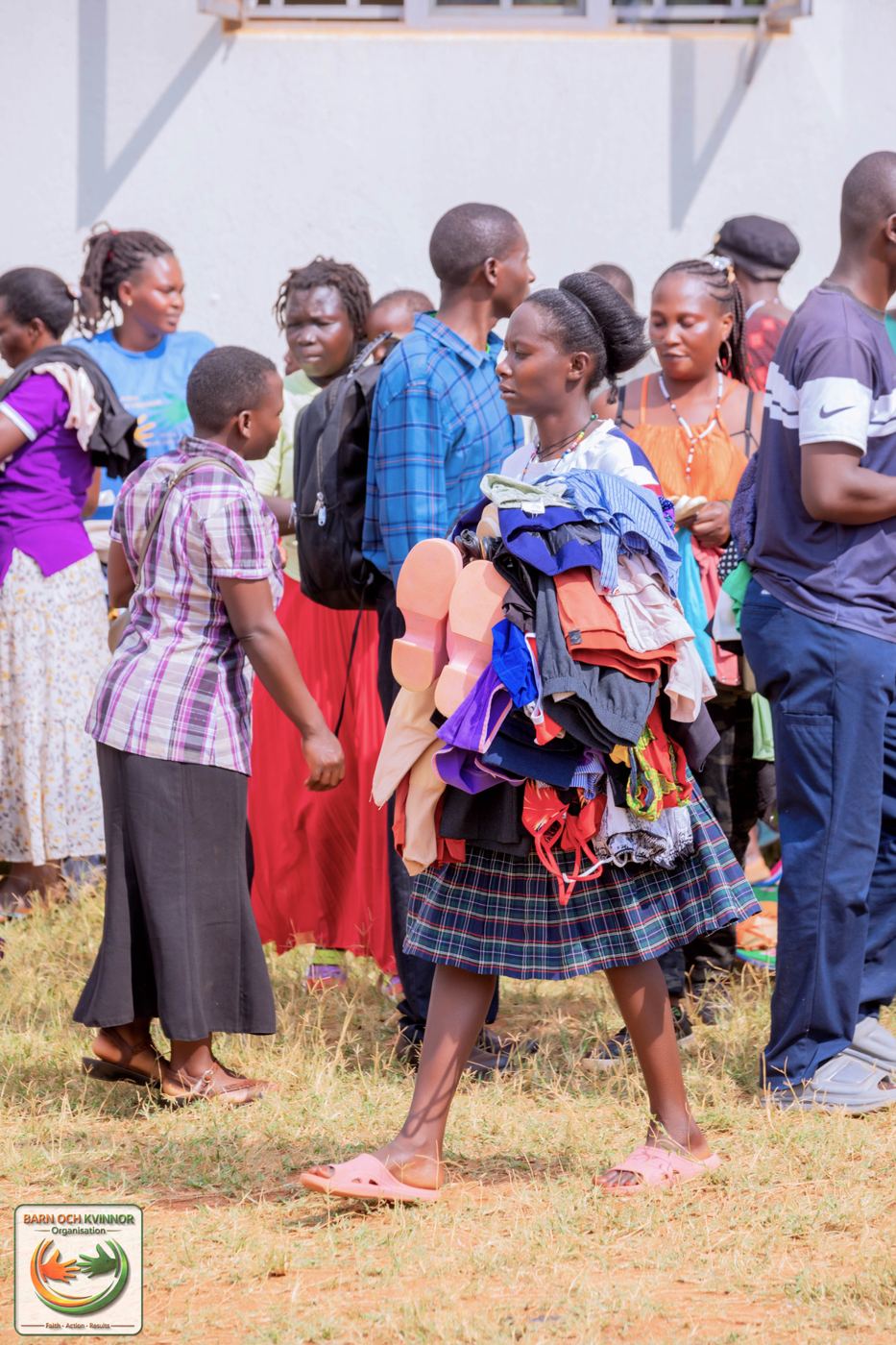



WORKING WITH COMMUNITIES AND GOVERNMENT
The success of community-based interventions depends on strong local partnerships.
BOK worked with community and government stakeholders, including the District Community Development Officer, Community Development Officer, Sub-county leadership, Gombolola Internal Security Officer, LC1 Chairperson and the District Representative for Persons with Disabilities.
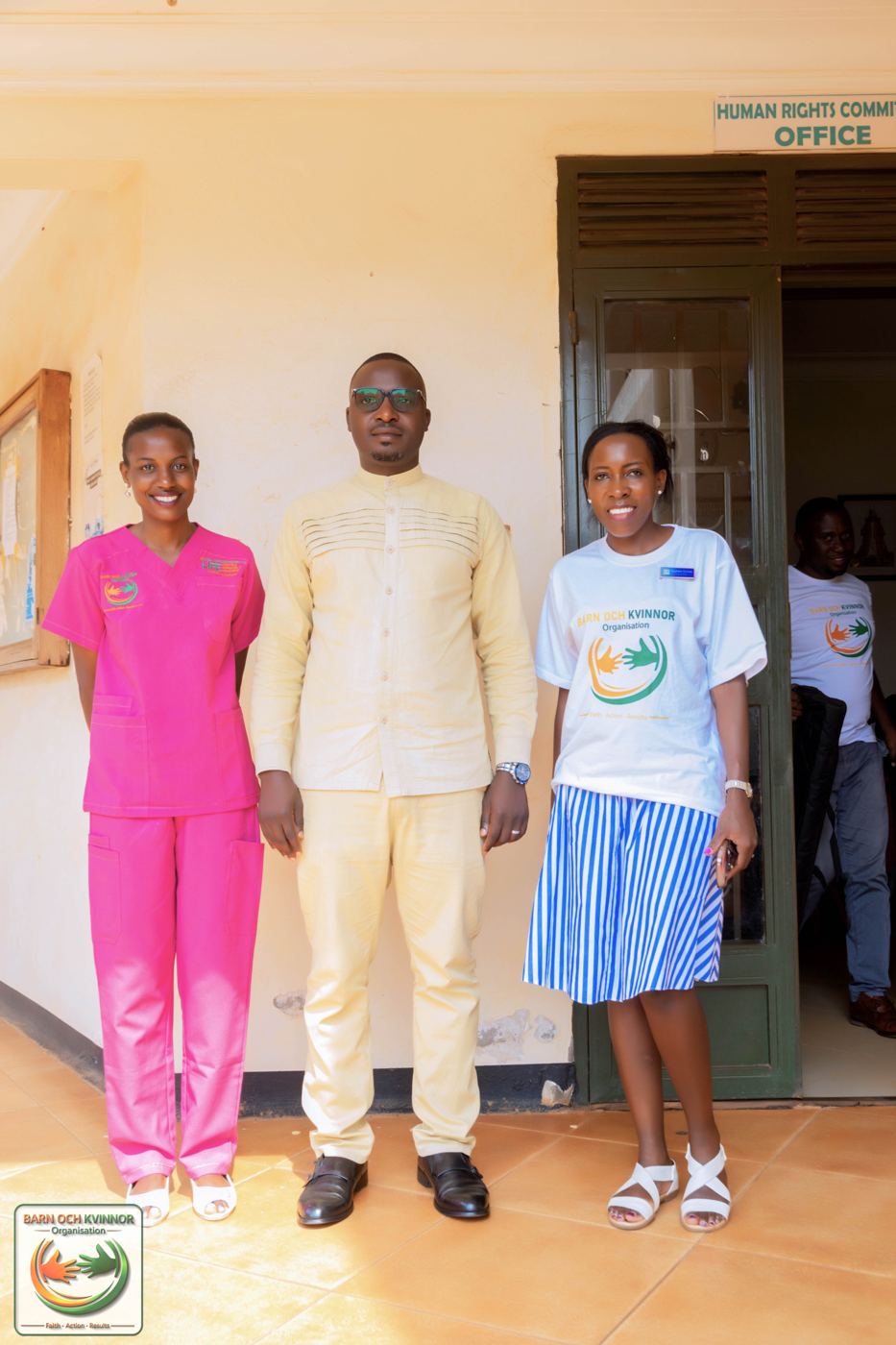
Their participation strengthens community ownership, coordination and linkages between vulnerable families and existing government services.
OUR APPROACH: FROM DONATION TO LONG-TERM IMPACT
One of the key principles behind this intervention is that meaningful disability support cannot end with the distribution of an assistive device.
BOK's integrated approach connects:
Through beneficiary follow-up and monitoring, BOK seeks to document changes in wellbeing, access to services and individual success stories.
This approach will also help inform future programming and resource mobilisation.
OUR TARGET
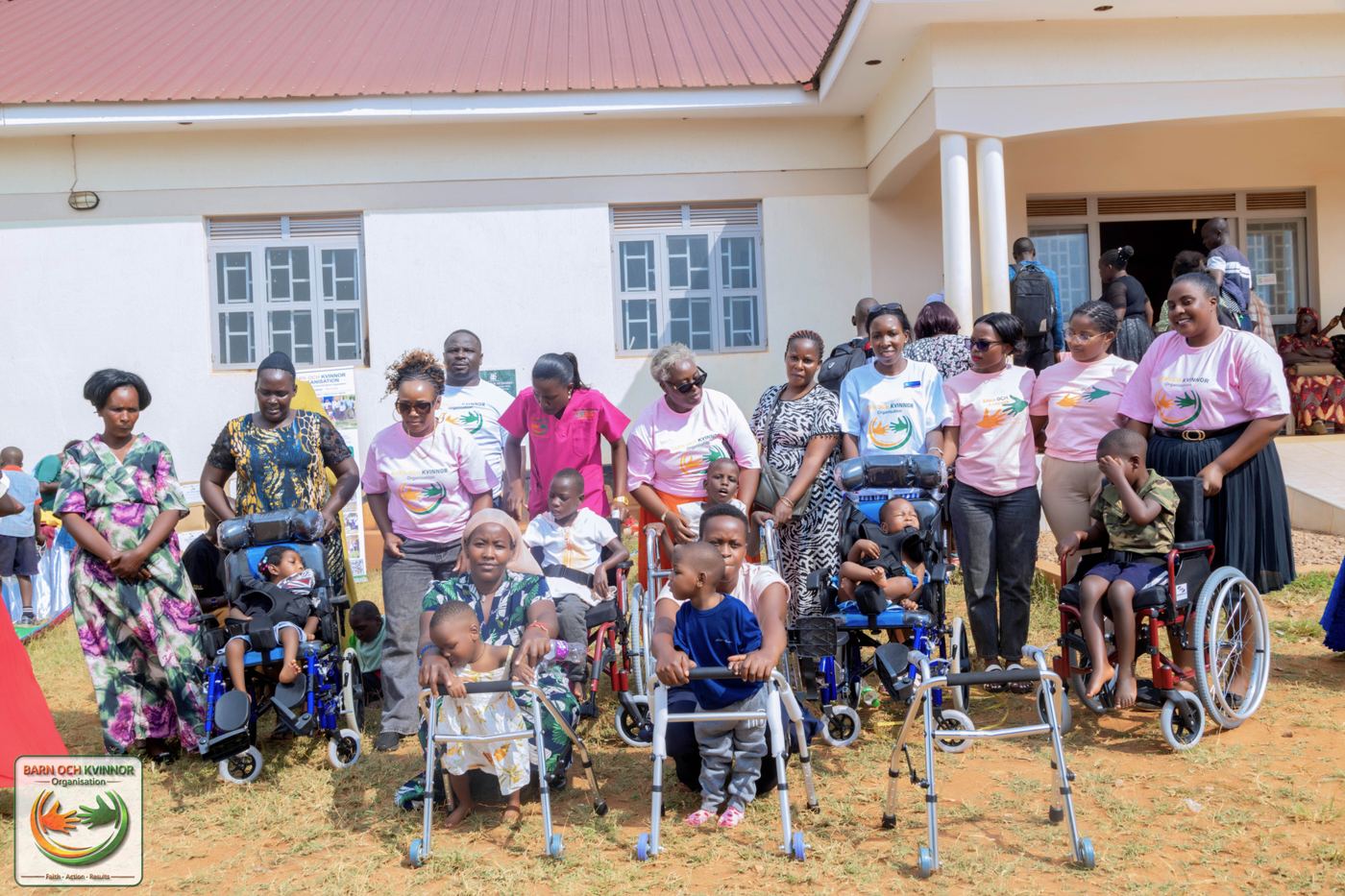
The outreach was designed to reach 100 participants, primarily children with special needs and their parents or guardians. 37 children with special needs were particularly attended to, with 4 children receiving wheelchairs, 4 receiving walking frames, and 3 receiving standing frames, while others benefited from additional items.
Every child reached represents an opportunity to strengthen inclusion, dignity and participation within the community.
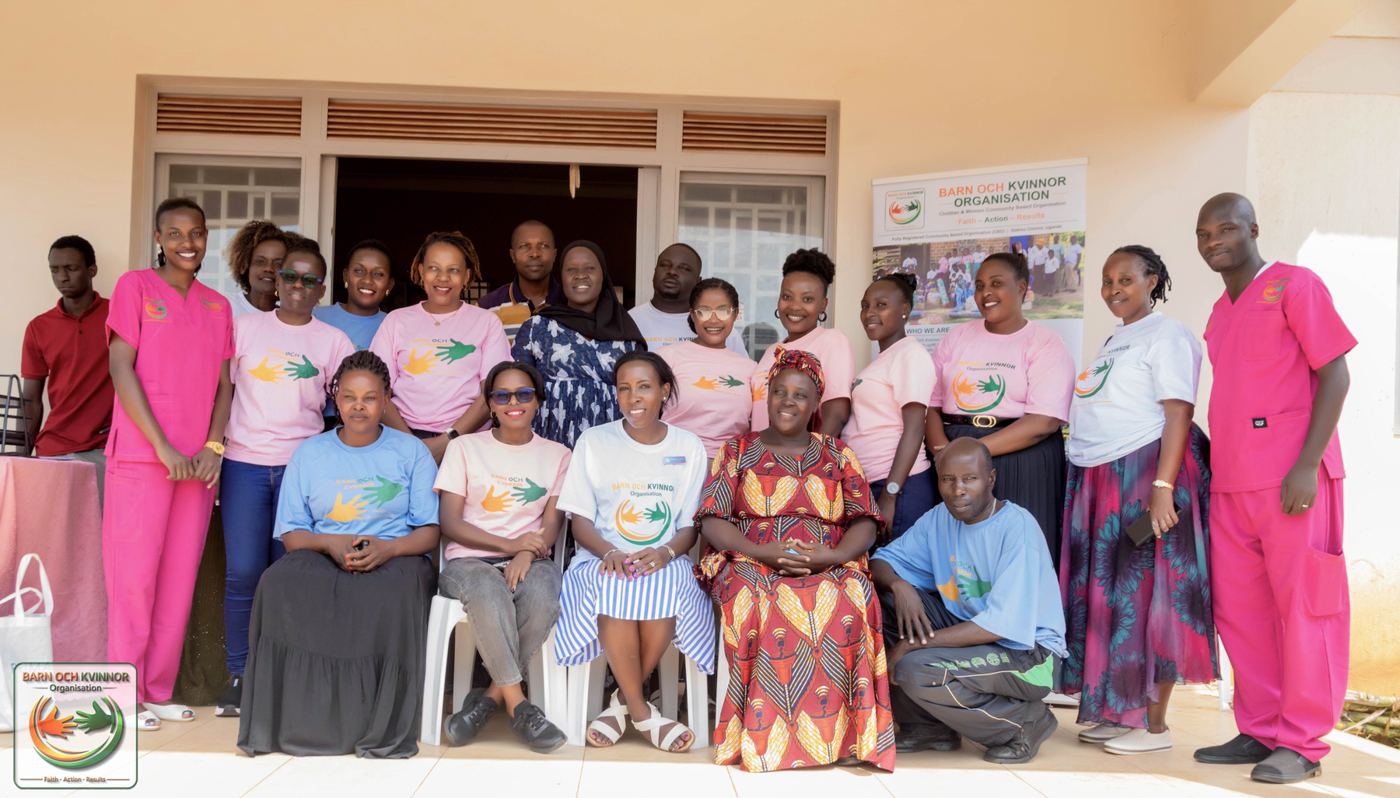
BEHIND THE SCENES: OUR TEAM AT WORK
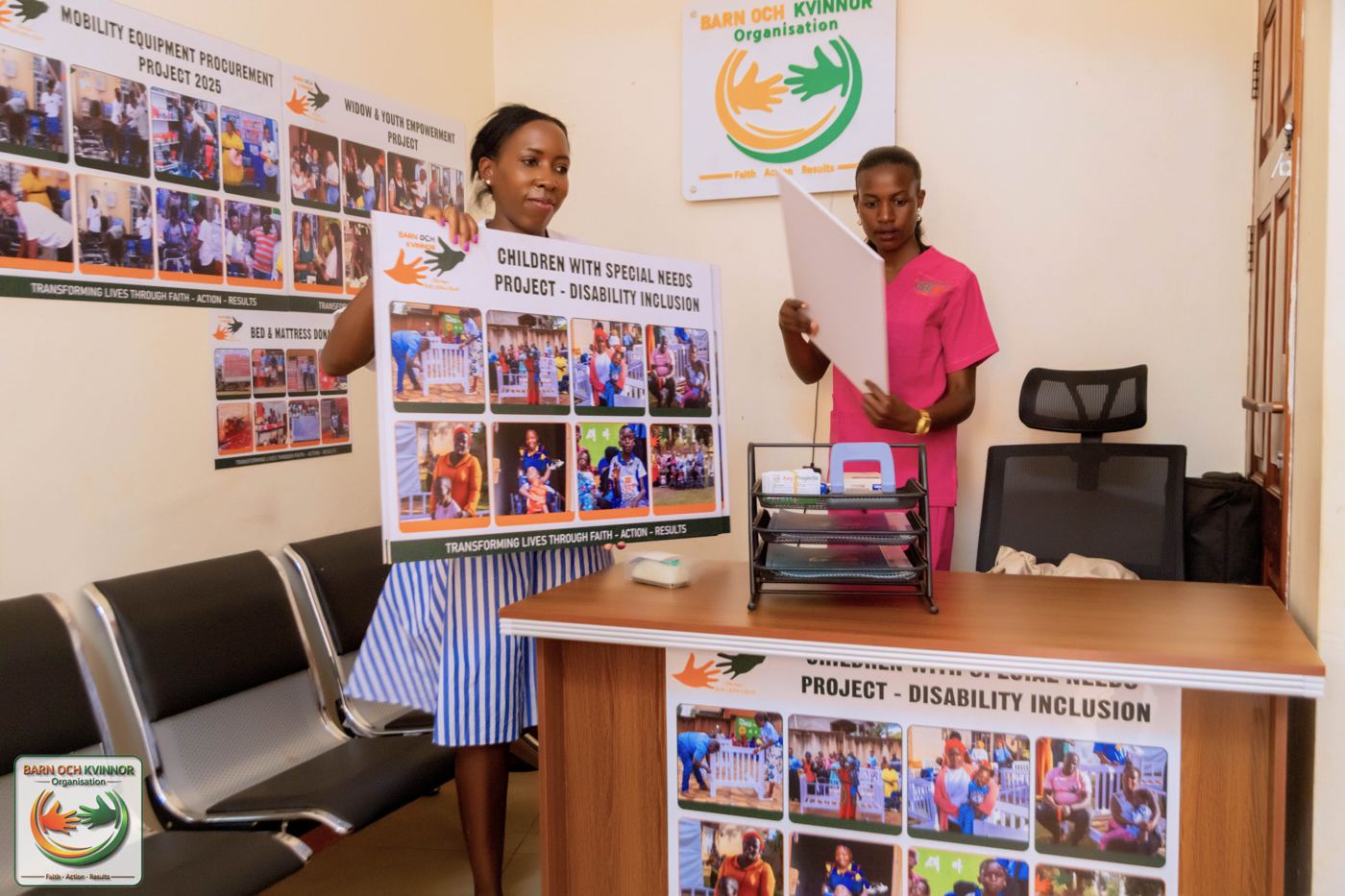
None of this is possible without careful planning, coordination and a dedicated team behind the scenes.
From early-morning briefings to packing and preparation, BOK staff and volunteers work together long before, during and after every outreach to ensure it runs smoothly.
THANK YOU TO OUR SUPPORTERS
This outreach was made possible by the generosity of our donors and supporters. We are especially grateful to the Dahlströmska Stiftelsen, whose gift of 20,000 SEK funded the mobility equipment, physiotherapy supplies and materials distributed on the day.
We also extend our heartfelt thanks to Eve Leeser, Josephina Karlsson, and the many other private friends and family members who donated alongside them. Every contribution, large or small, went 100% directly towards the wheelchairs, walking frames, physiotherapy sessions and support that reached the children and families of Mende on 4th August 2026.
To everyone who gave their time, resources and trust to this work – thank you. You made this outreach possible.
A MESSAGE FROM BOK
At BOK, we believe that disability should never determine a child's worth, potential or right to participate in society.
Our commitment is to work alongside families and communities to remove barriers, strengthen support systems and create opportunities for children with disabilities to thrive.
Inclusion is not charity. It is a right.
LOOKING AHEAD
The Mende outreach is part of a broader commitment to improving the wellbeing, inclusion, protection and opportunities of children and persons with disabilities.
Going forward, BOK will continue to strengthen: community identification and follow-up; access to assistive devices; rehabilitation and physiotherapy support; caregiver capacity-building; disability rights awareness; and protection and referral mechanisms.
JOIN US IN CREATING INCLUSIVE COMMUNITIES
You can support BOK through:
Your support can help a child gain mobility, access rehabilitation, receive protection, remain in school and participate more fully in community life.


