Outreach Project Report: Supporting Vulnerable Families of Children with Special Needs
Assessment Period: May – August 2025
Project Coordinator: Babra Komuhangi
Implementing Organisation: Barn och Kvinnor Organisation (BKO)
Project Location: Bakka & Kakunyu Communities Uganda
1. Introduction
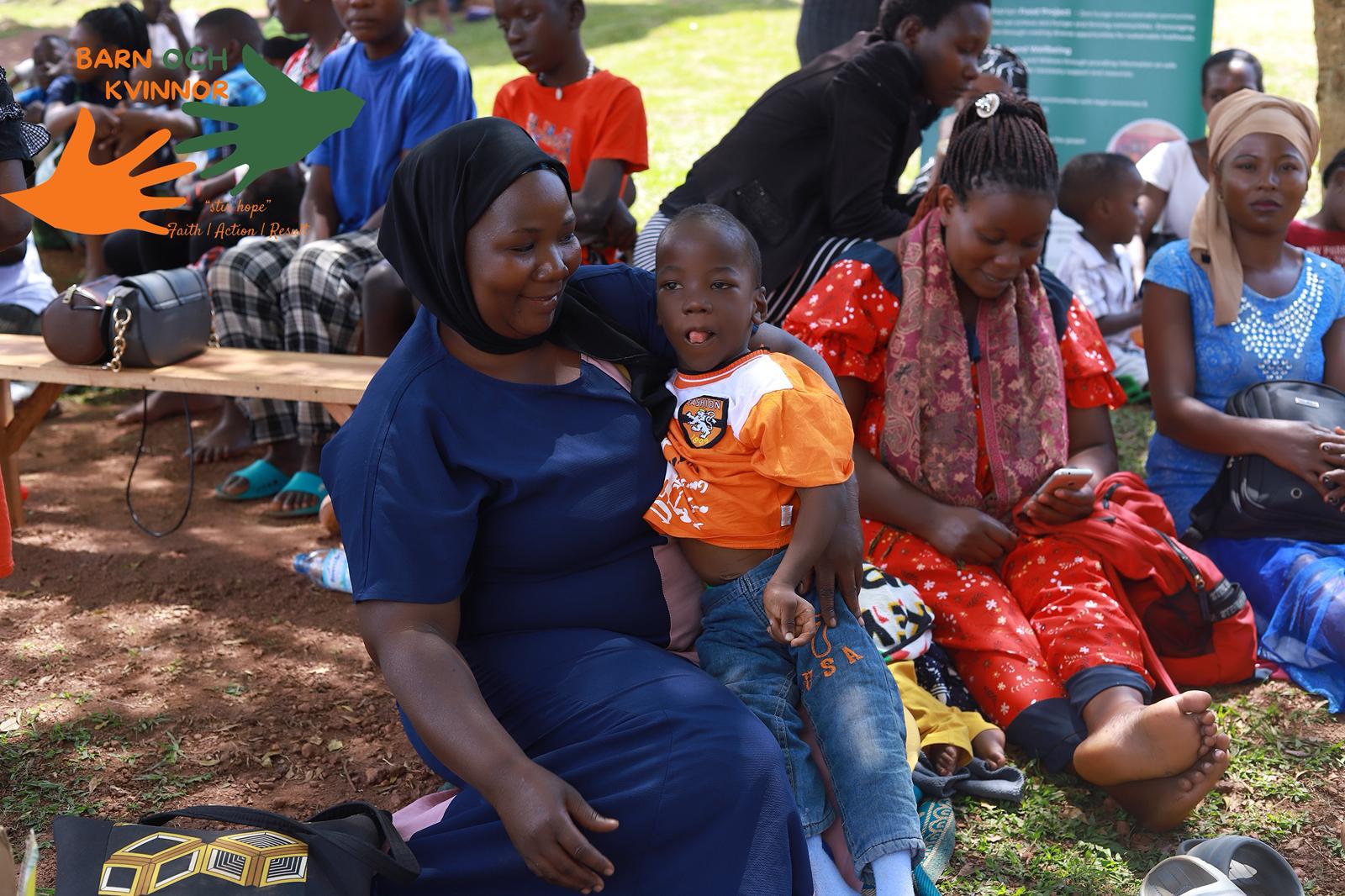
The Barn och Kvinnor Organisation (BKO) conducted a comprehensive outreach and assessment program from June to September 2025, focusing on families of children with special needs and vulnerable elderly persons. This initiative forms part of BKO’s long-term commitment to inclusive community development, ensuring that children with disabilities have equitable access to healthcare, education, and social participation.
The project’s goal was to identify the evolving needs of families of children with special needs, provide immediate relief to those facing socio-economic hardship, and strengthen local awareness of disability inclusion. Two assessments were conducted — the first in May 2025 (baseline) and the second in August 2025 (follow-up) — to evaluate progress, impact, and sustainability.
2. The Barn och Kvinnor Organisation (BKO) conducted a comprehensive outreach and assessment program from June to September 2025, focusing on families of children with special needs and vulnerable elderly persons. This initiative forms part of BKO’s long-term commitment to inclusive community development, ensuring that children with disabilities have equitable access to healthcare, education, and social participation.
The project’s goal was to identify the evolving needs of families of children with special needs, provide immediate relief to those facing socio-economic hardship, and strengthen local awareness of disability inclusion. Two assessments were conducted — the first in May 2025 (baseline) and the second in August 2025 (follow-up) — to evaluate progress, impact, and sustainability.
- Assess the living, health, and socio-economic conditions of families caring for children with special needs.
- Provide immediate humanitarian assistance through essential food, hygiene materials, and assistive devices.
- Promote social inclusion, community awareness, and advocacy for children with disabilities.
- Strengthen family resilience and local capacity to support children with special needs.
3. Methodology
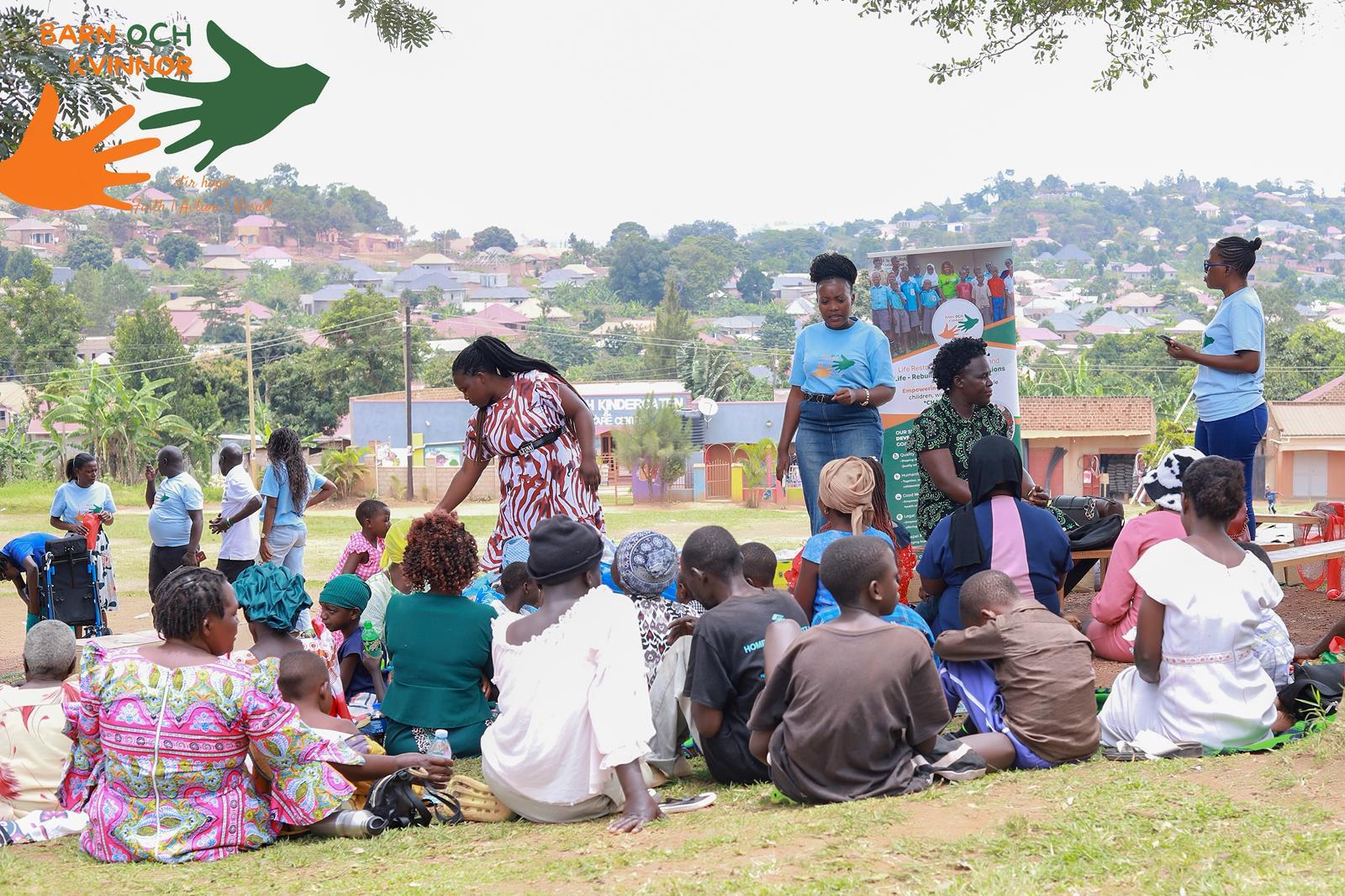
The project utilized a participatory, community-based approach that included home visits, structured interviews with caregivers, consultations with village leaders, and direct observation of living conditions.
The May assessment identified the most urgent needs, while the August assessment evaluated the outcomes and sustainability of interventions. Data collected informed evidence-based recommendations and future planning.
4. Program Highlights
- Beneficiaries:
- May 2025 Assessment: 34 families of children with special needs.
- August 2025 Assessment: 9 additional elderly families.
- Total: 43 families, benefiting approximately 215 individuals.
- May 2025 Assessment: 34 families of children with special needs.
- Donations:
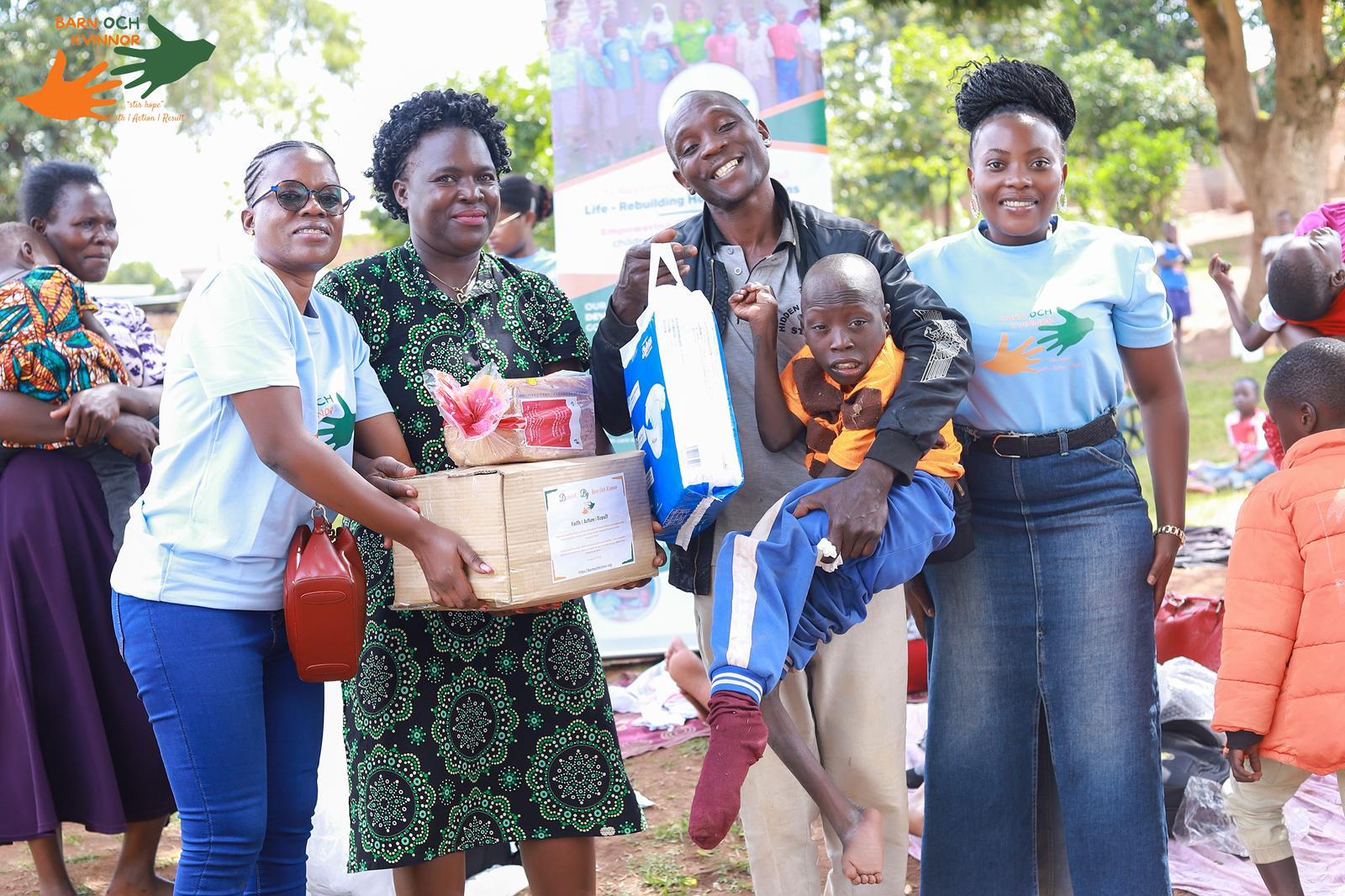
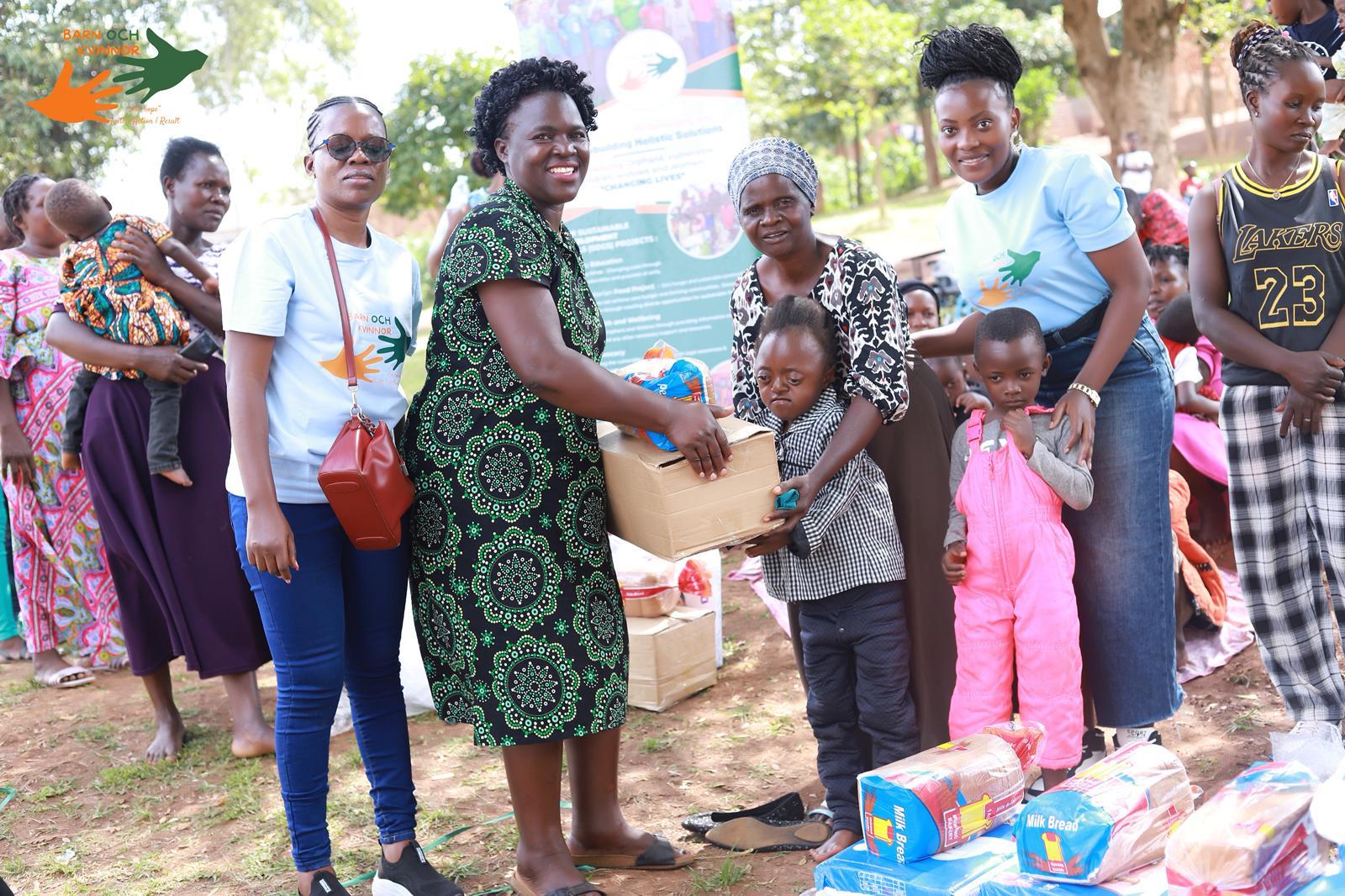
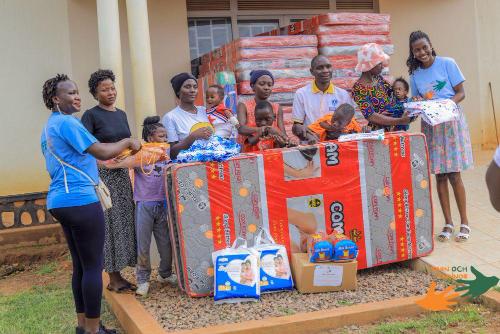
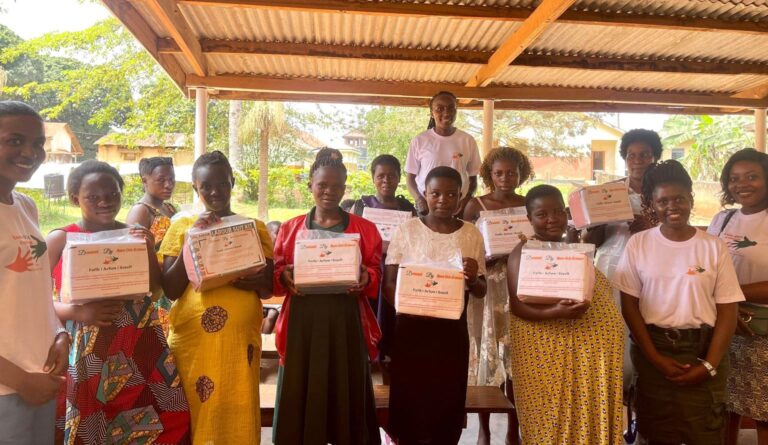
Food and hygiene items distributed included rice, maize flour, soya porridge, cooking oil, sugar, and soap, aiming to alleviate financial stress and improve nutrition and hygiene. - Assistive Devices:
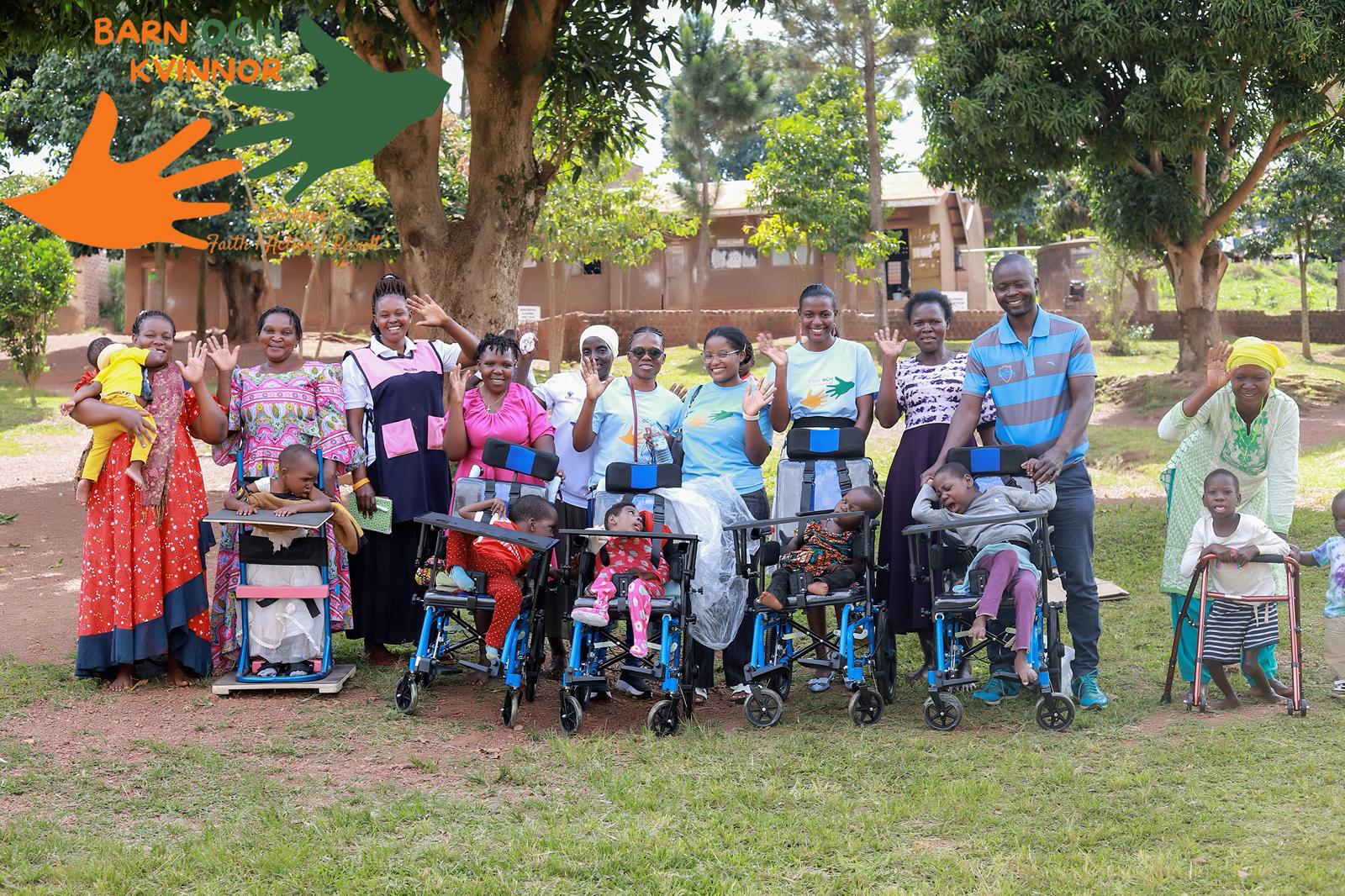
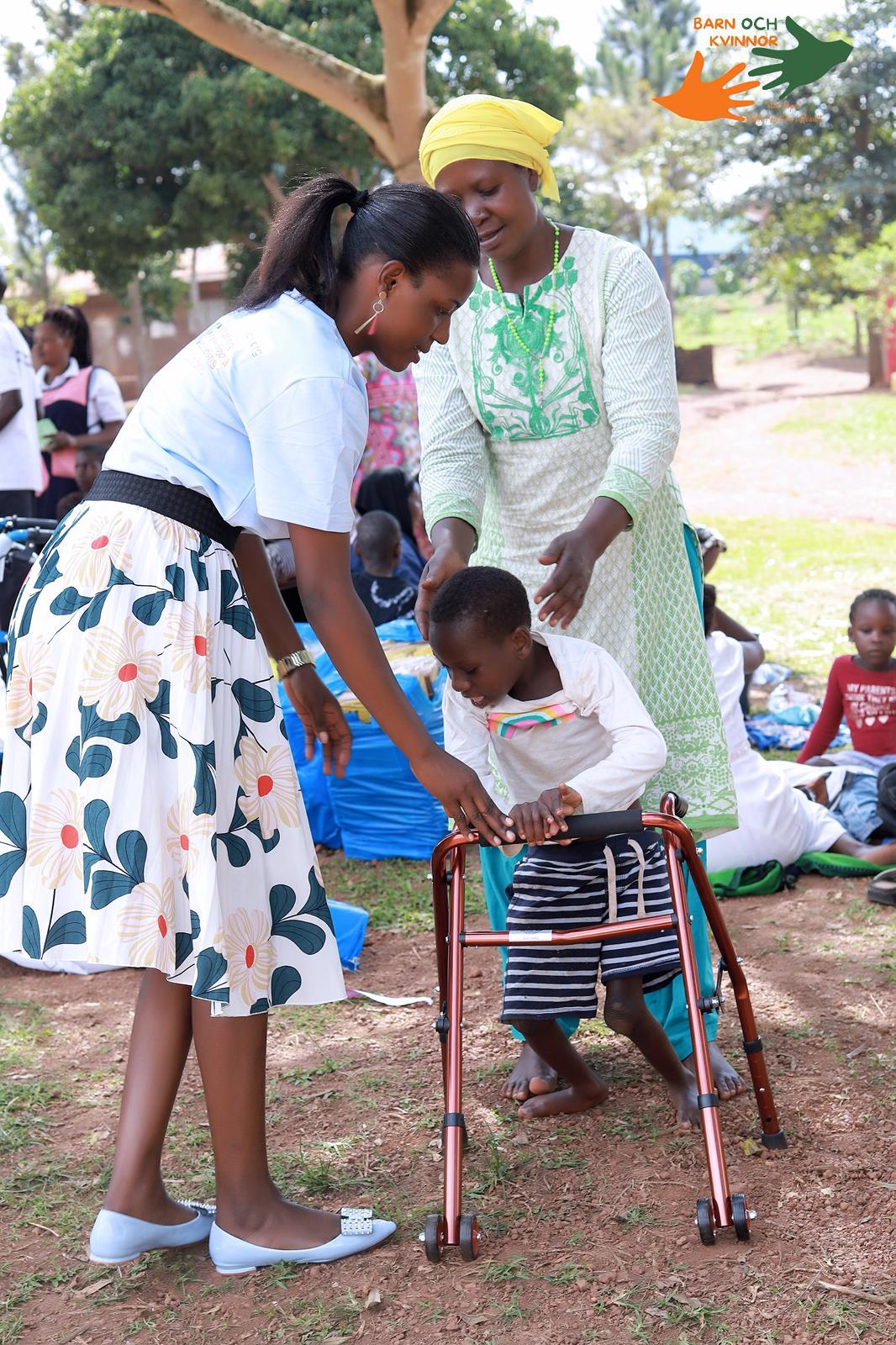
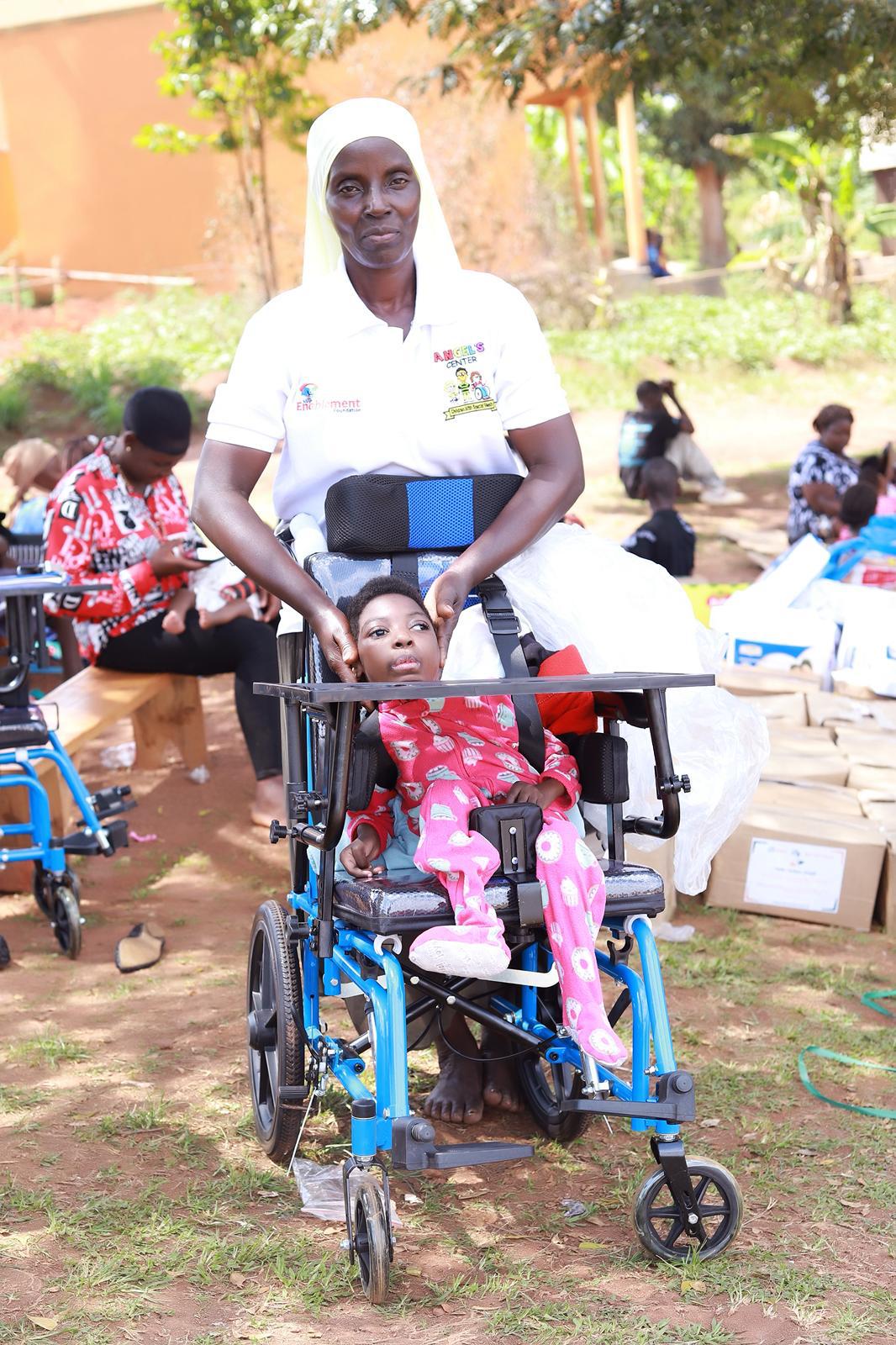
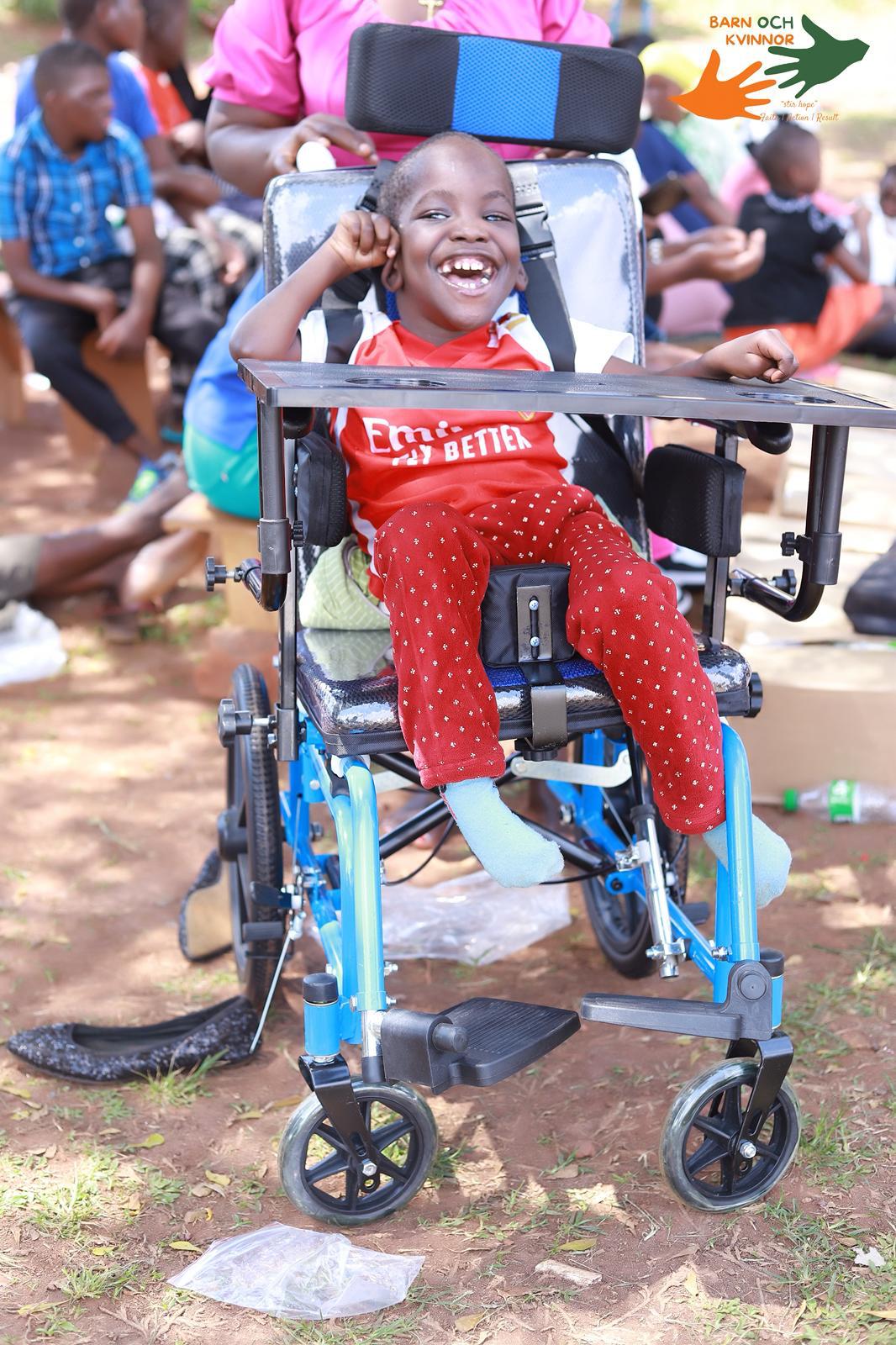
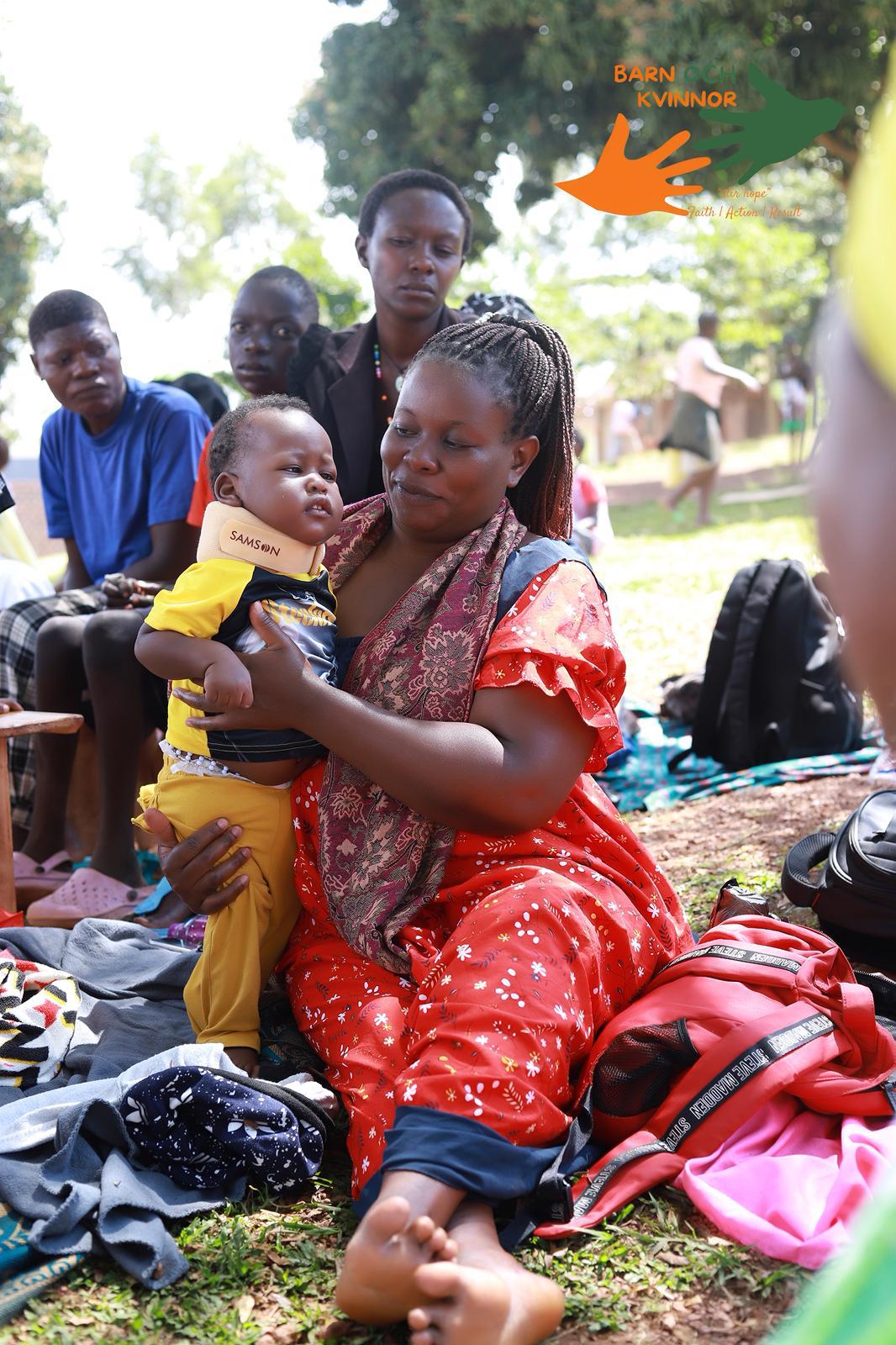
Distribution of wheelchairs, walking frames, standing frames, and neck holders significantly enhanced children’s mobility, independence, and participation in family and community life. - Community and Spiritual Engagement:
Outreach sessions incorporated gospel preaching and motivational talks, fostering faith, emotional healing, and solidarity within the communities served.
5. Key Findings from the Assessments
a) May 2025 Assessment (Baseline Findings)
- The majority of families live below the poverty line, with limited access to healthcare, education, and steady income.
- Most families cannot afford essential medicines, costing approximately 250,000 UGX (≈ 725 SEK / 62 EUR) per month per child. This results in interrupted treatments, especially for children needing physiotherapy or seizure control medication.
- Severe food insecurity was reported, with many families relying on minimal harvests or skipping meals due to lack of resources.
- Parents, especially mothers, reported emotional exhaustion, stigma, and social isolation linked to caring for children with disabilities.
- Lack of access to specialized education and rehabilitation centers remained a critical barrier.
b) August 2025 Assessment (Follow-up Findings)
- Families who received assistive devices reported improved child mobility, reduced dependency, and enhanced dignity.
- Food and hygiene donations contributed to short-term nutritional stability and reduced stress in the most vulnerable households.
- Families expressed greater emotional resilience through continuous psychosocial engagement.
- Collaboration with village leaders increased community participation and awareness of disability inclusion.
- Despite progress, most families remain unable to afford ongoing medication and sufficient food, underscoring the need for sustained intervention and resource mobilization.
6. Impact
- Improved Mobility and Independence: Assistive devices allowed children to participate more actively in education and social life.
- Reduced Economic Pressure: Relief support helped families redirect resources toward healthcare and education.
- Enhanced Social Inclusion: Outreach programs fostered community empathy and reduced stigma surrounding disability.
- Spiritual and Emotional Strengthening: The gospel and counseling sessions promoted faith, hope, and family unity.
- Community Engagement: Partnerships with village leaders and healthcare providers improved outreach coordination and trust.
7. Challenges Encountered
- Financial Hardship: Families continue to struggle with poverty and cannot consistently afford food or healthcare.
- Healthcare Costs: Monthly medical expenses of 250,000 UGX (≈ 725 SEK / 62 EUR) per child remain unsustainable for most households.
- Logistical Barriers: Poor infrastructure delayed the delivery of supplies to remote communities.
- Limited Resources: Demand for support exceeded available funding and materials.
- Sustainability Needs: Ongoing follow-up, maintenance of assistive devices, and psychosocial care are still required.
8. Lessons Learned
- Collaboration is Key: Working closely with village leaders and healthcare providers significantly enhanced outreach effectiveness and improved coordination in service delivery.
- Sustained Support is Essential: Families of children with special needs require long-term and consistent support, not one-time interventions, to achieve lasting stability.
- Inclusive Participation: Involving families and children with special needs directly in planning and implementation fosters ownership, dignity, and trust, leading to more effective interventions.
9. Recommendations
- Spiritual Empowerment: Respond to community requests by organizing a prayer conference to offer continued spiritual and emotional support.
- Sustainability: Explore options for ongoing financial and technical support to ensure continuity of assistance for families.
- Collaboration: Strengthen partnerships with community leaders, health workers, and local institutions to expand coverage and improve coordination.
- Awareness: Launch awareness campaigns to promote understanding, acceptance, and inclusion of children with special needs within communities.
- Capacity Building: Provide training and capacity-building sessions for staff, volunteers, and caregivers to enhance their ability to support children with disabilities effectively.
10. Conclusion
The Special Needs Children Project, coordinated by Babra Komuhangi, has made a significant and measurable impact in improving the lives of children with special needs and elderly community members between May and August 2025.
Through food distribution, assistive devices, and emotional support, families have experienced greater dignity, hope, and inclusion. While challenges remain—particularly regarding healthcare affordability and food security—the project has strengthened community solidarity and advanced local awareness of disability rights.
Barn och Kvinnor Organisation expresses gratitude to all partners, volunteers, and community leaders who made this initiative possible and remains fully committed to supporting children with special needs and their families in the years ahead.
11. Future Plans
- Expansion: Broaden outreach to reach additional families of children with special needs in underserved areas.
- Follow-up Program: Establish a structured monitoring and support program for regular check-ins and assistance.
- Resource Center: Create a community resource and learning center dedicated to supporting families of children with special needs, providing guidance, therapy, and training.