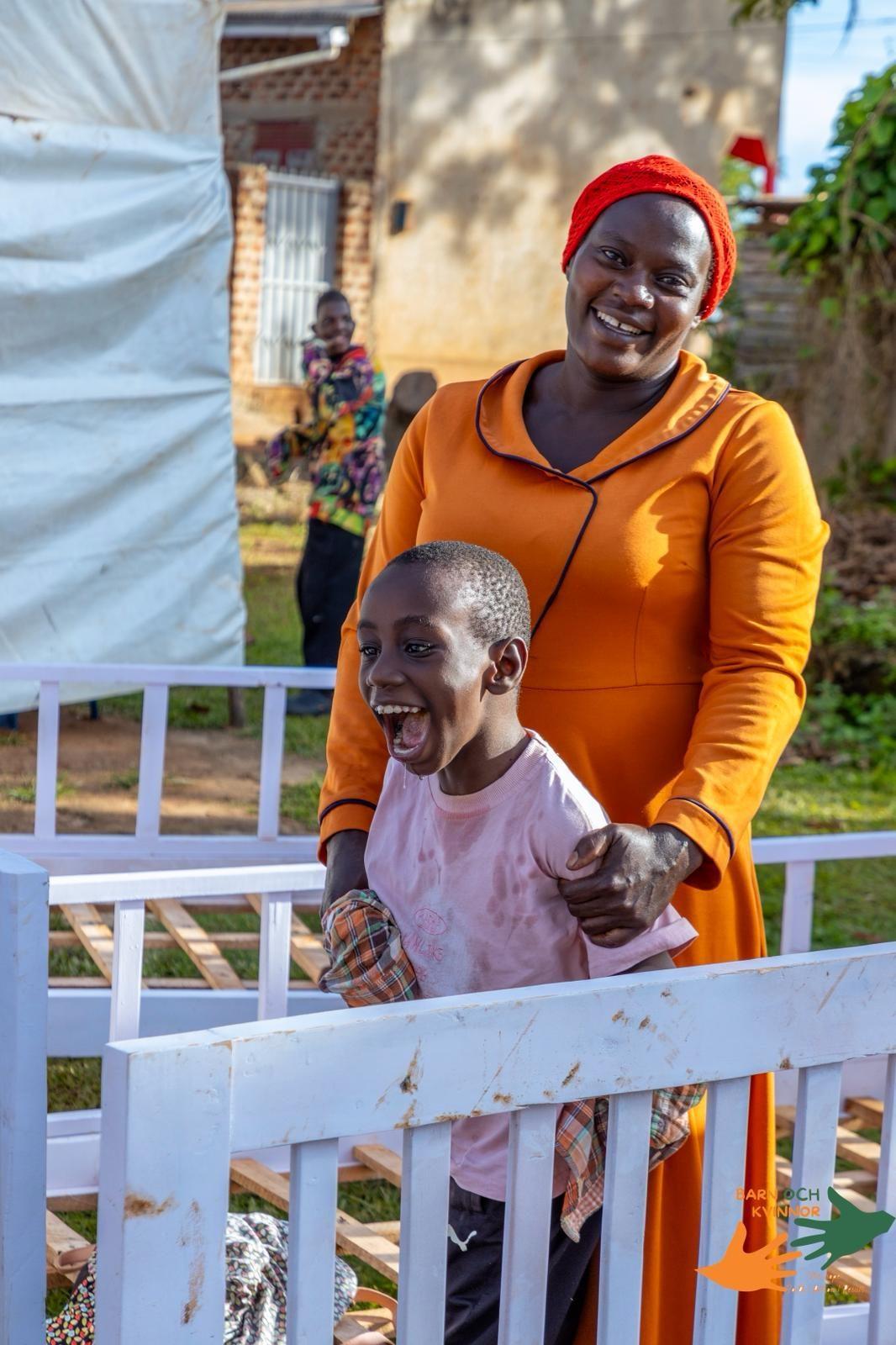
Every child deserves the chance to grow, learn and belong. So does every mother who cares for them.
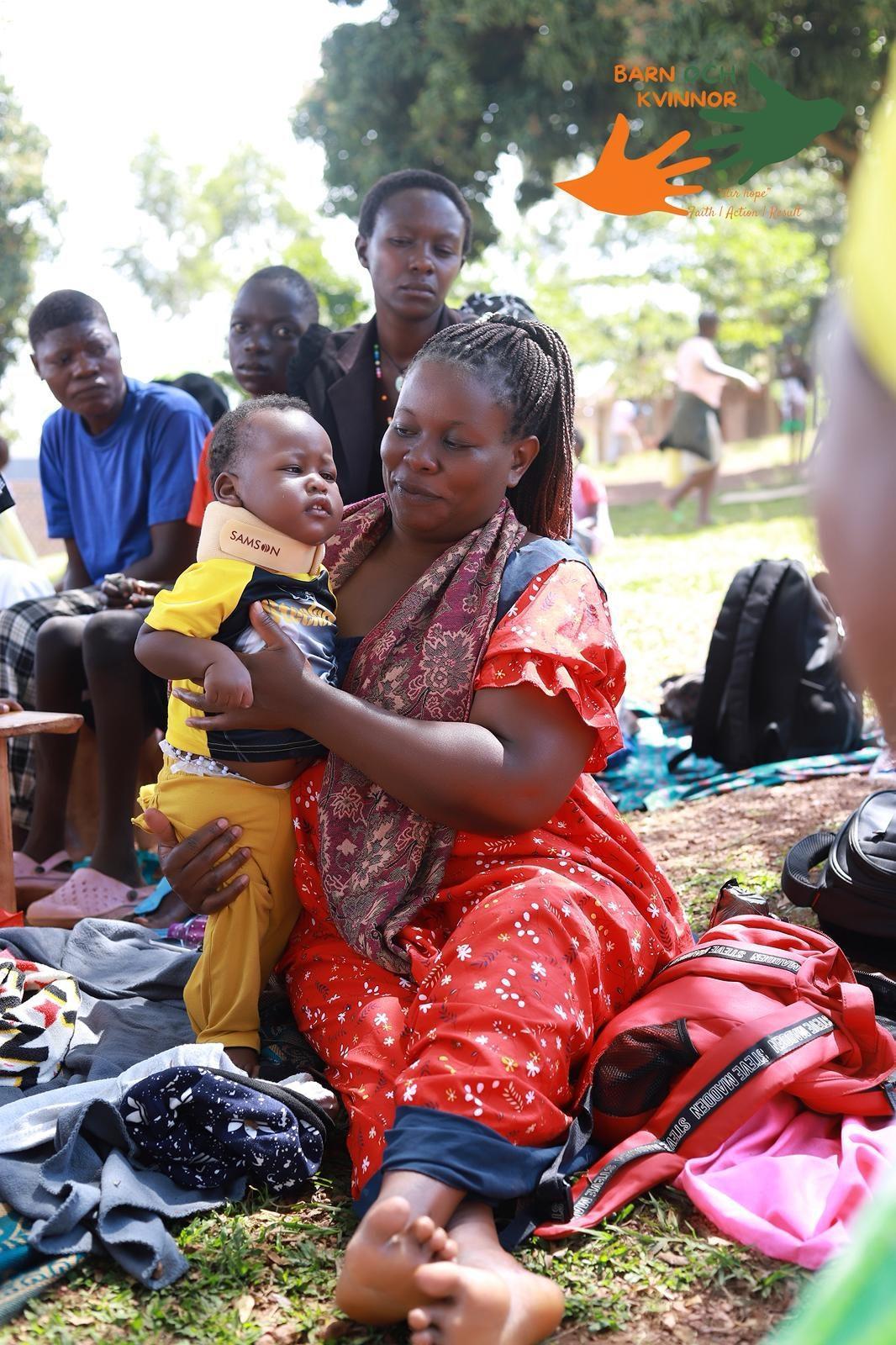
Barn och Kvinnor Organisation (BOK) works to transform the lives of children living with cerebral palsy, Spina Bifida, Down syndrome, autism and other disabilities, and to support the families who care for them.
Many childhood disabilities begin before birth or soon after. Disability may be developmental or acquired: it can come from damage before birth, around birth, in the newborn period or in early childhood, through causes such as genetic factors, infections, injuries, toxic exposure or poor nutrition. In low-resource settings, birth asphyxia, severe newborn jaundice and brain infections remain common causes of cerebral palsy, and many of these causes are preventable. For some children, the result is a lifelong disability.
With the right support, many of these children can become far more independent in daily life. Without it, they often stay at home, out of school and out of sight. Children with disabilities are much less likely than other children to start school, stay enrolled or move up a grade.
The situation in Uganda
5.5 million people, 13.2 percent of everyone aged two and above, live with a disability in Uganda, according to the 2024 National Population and Housing Census. Children under two are not counted, so the real number of young children affected is higher.
For most families, cost is the biggest barrier. In low-resource settings, people with disabilities are more often excluded from health services because of cost, inaccessible facilities, and negative attitudes, and lack of transport is a further barrier. Over time, families simply cannot afford therapy, assistive devices or transport to health facilities.
Mothers carry the heaviest load
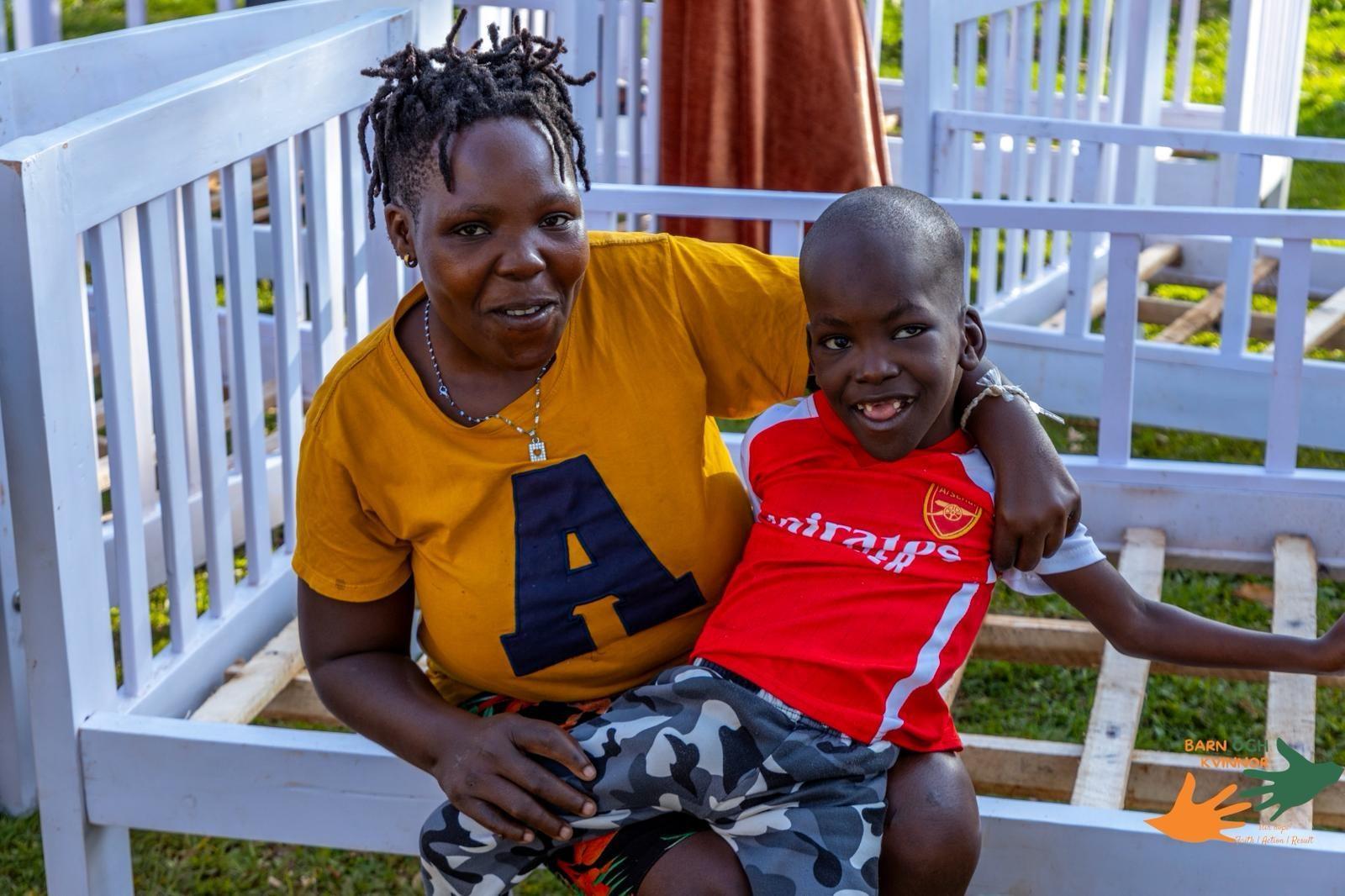
Around the world, most care for people with disabilities is given informally by families, while formal services remain limited, especially in low- and middle-income countries. In the communities where we work, the mother is usually the one who cares for a child with a disability, often alone.
Some mothers are blamed for their child’s condition and called “cursed”. Research in Uganda found that disability-related stigma is widespread, driven in part by beliefs that disability is a consequence of a person’s moral actions. Some mothers are abandoned by the child’s father and get no help from their families. Many cannot work regularly, and many have little information about their child’s condition.
The result is stress, isolation and, for many, depression. A Ugandan study found that caring for a child with a neurological impairment brings heavy emotional, social and financial strain, with high levels of stress, isolation and stigma among mothers. International research links caring for a child with an intellectual disability to higher levels of depression, anxiety, stress and exhaustion in mothers.
This affects the child too. WHO guidance says every child should receive responsive care in the first three years, that caregivers should be supported to give it, and that support for maternal mental health belongs in early childhood services. A secure, loving bond with the mother is one of the most important foundations for a child’s development.
What We Offer
Everything we do has one goal: to help children with disabilities live fuller, happier, and more independent lives.
Community-Based Rehabilitation
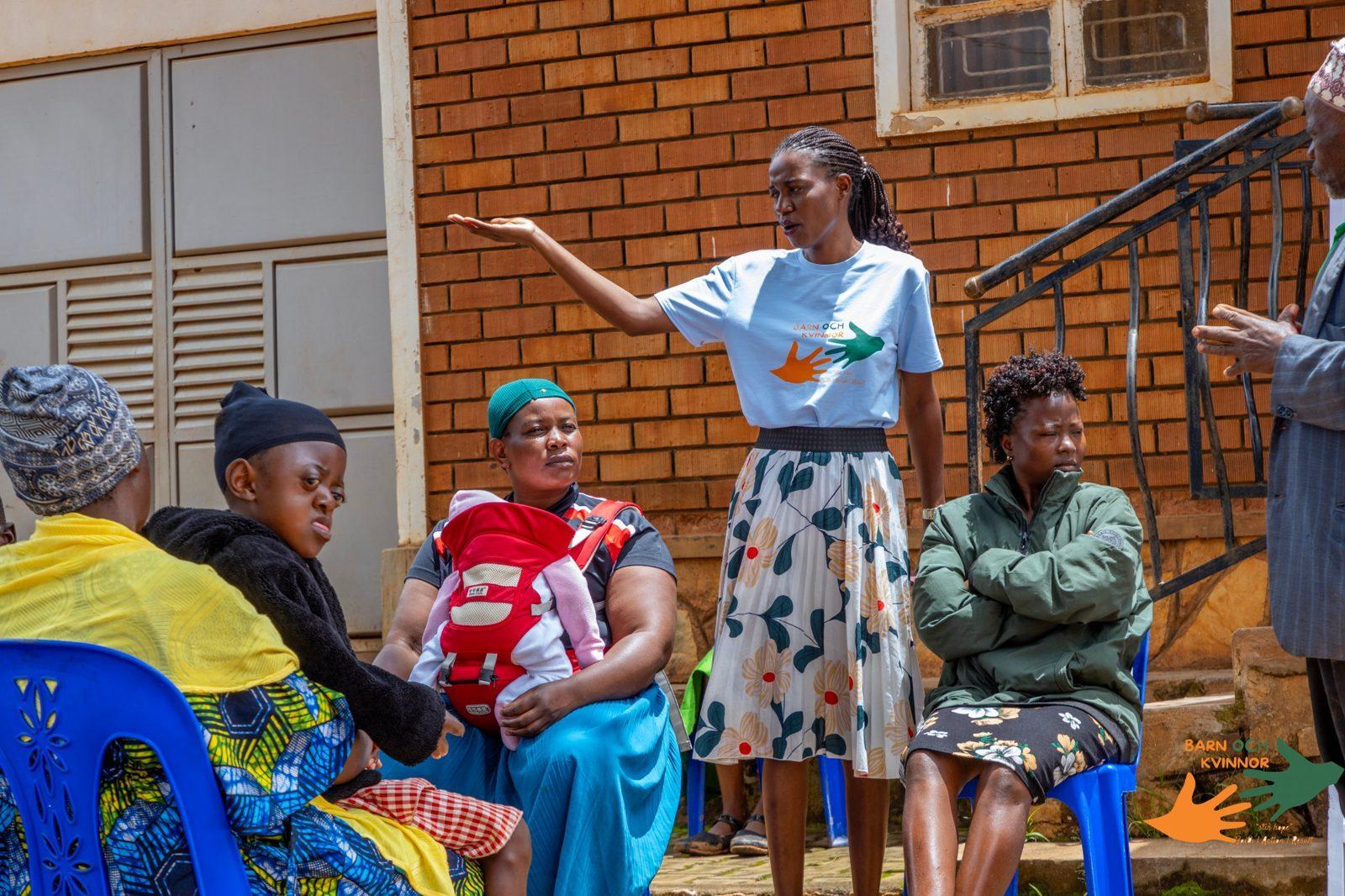
We bring support to where families live. Our Community-Based Rehabilitation (CBR) Officer visits families at home and follows up regularly, in person and by phone. She helps parents support their child’s development in daily life and connects families to health, education and social services.
Outreaches and Follow-Up Care
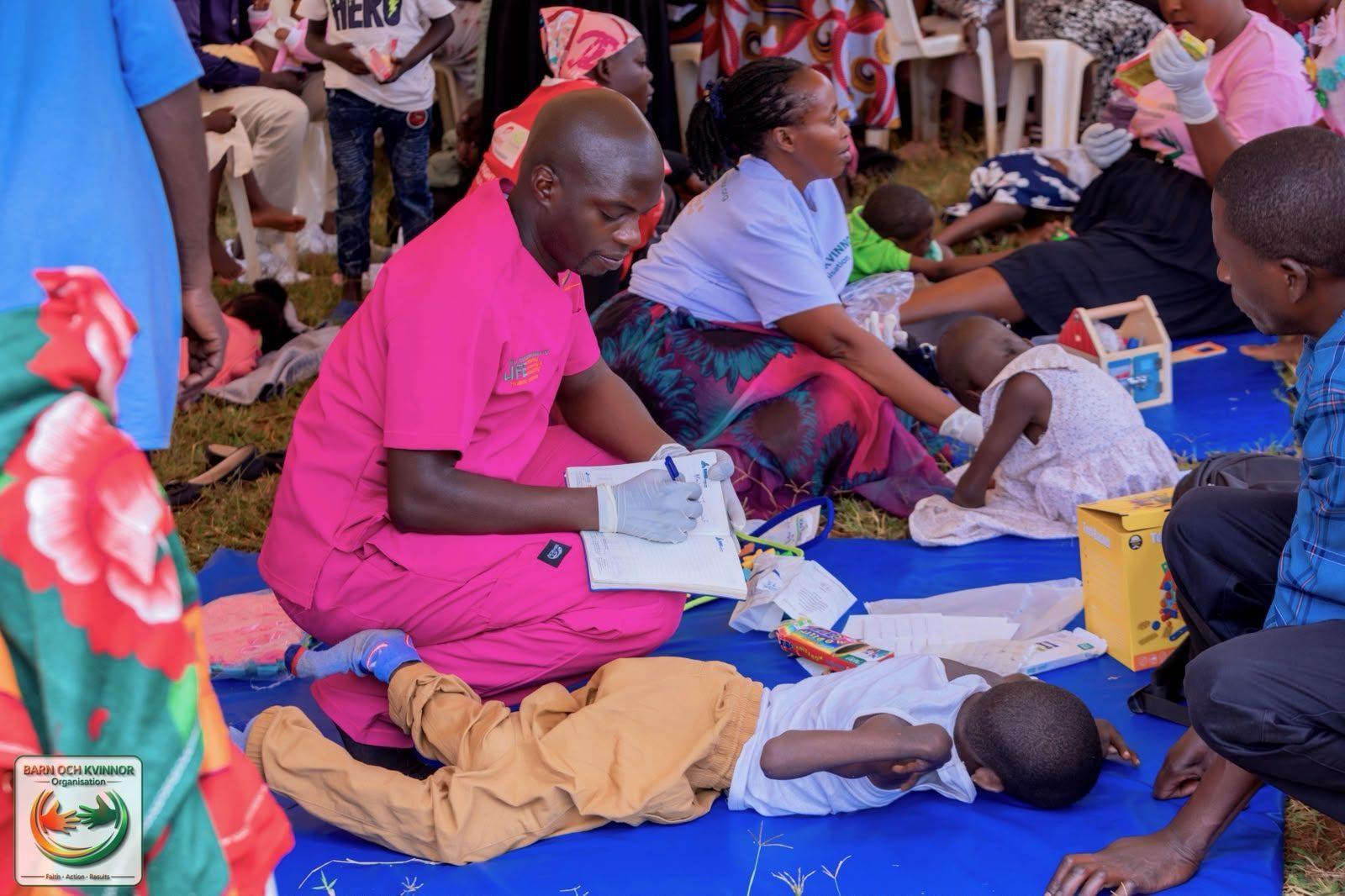
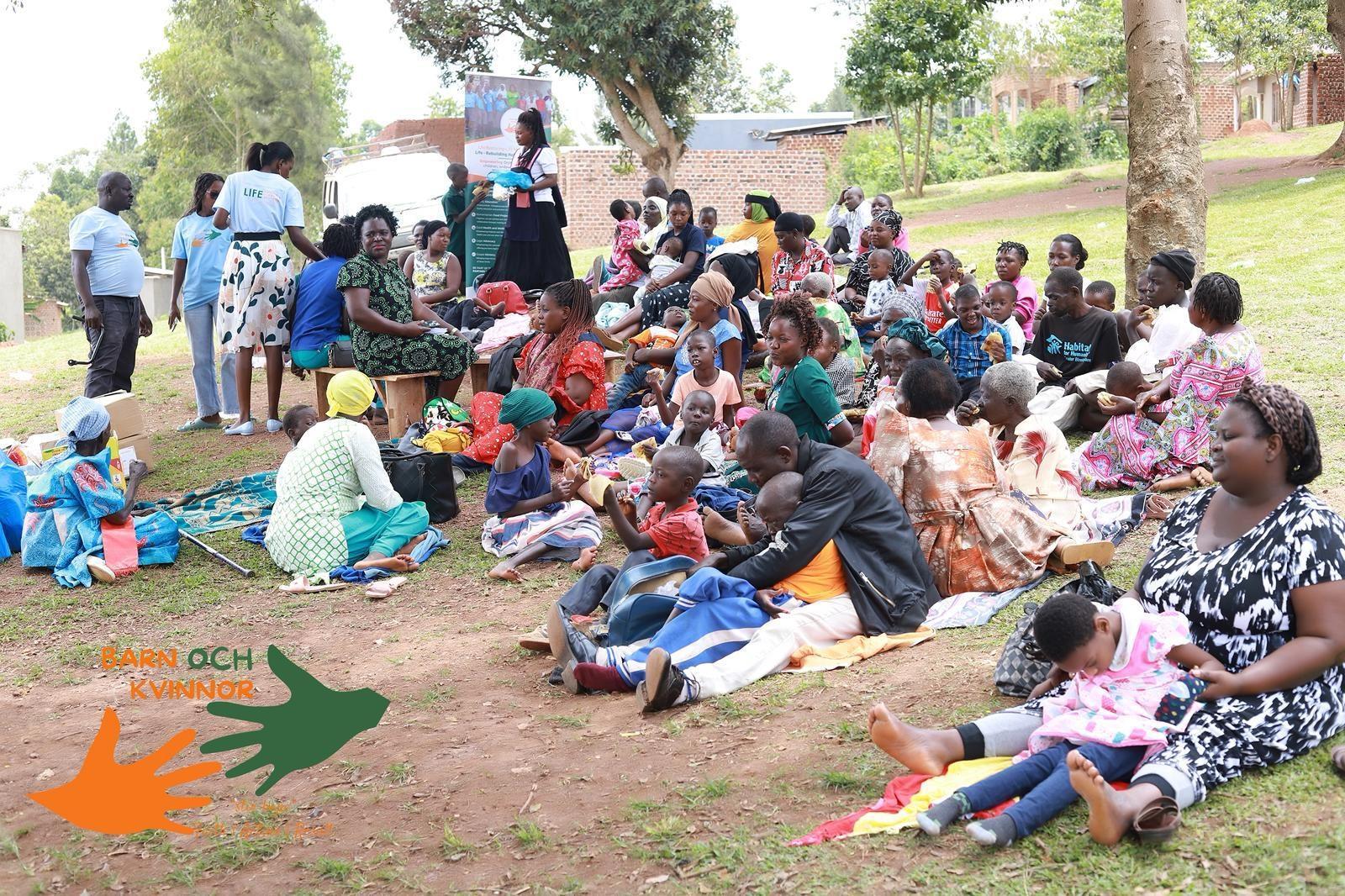
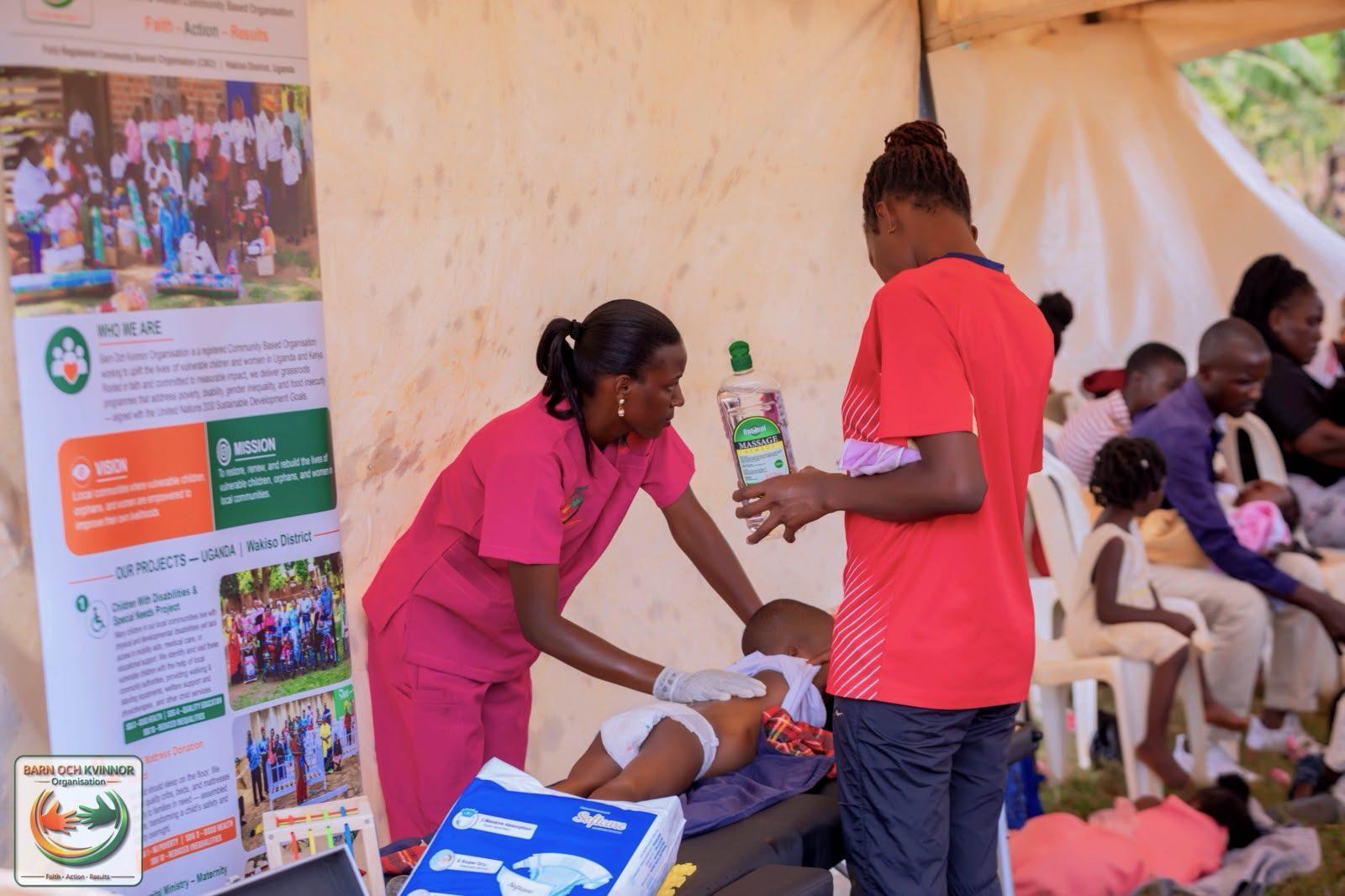
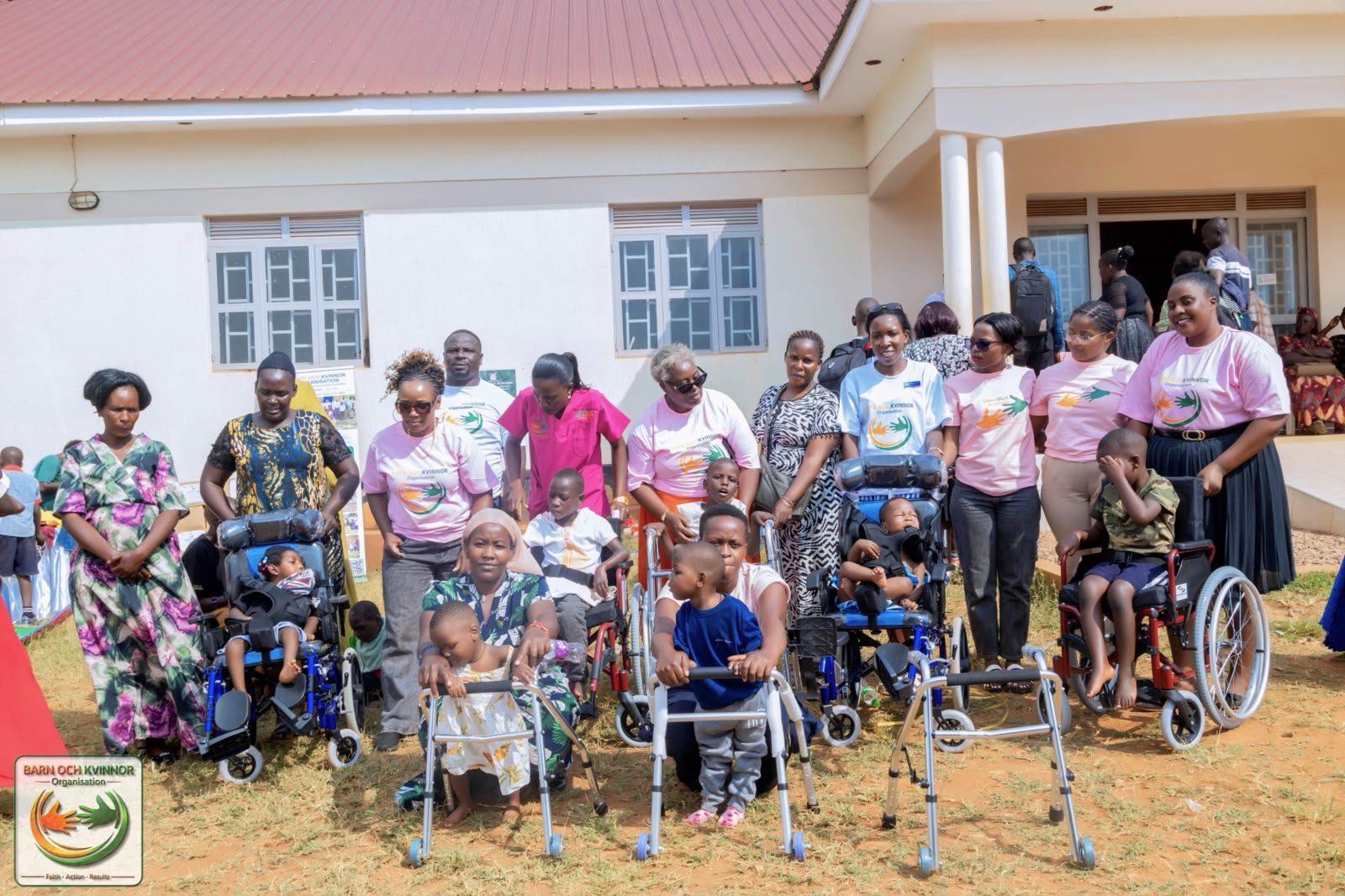
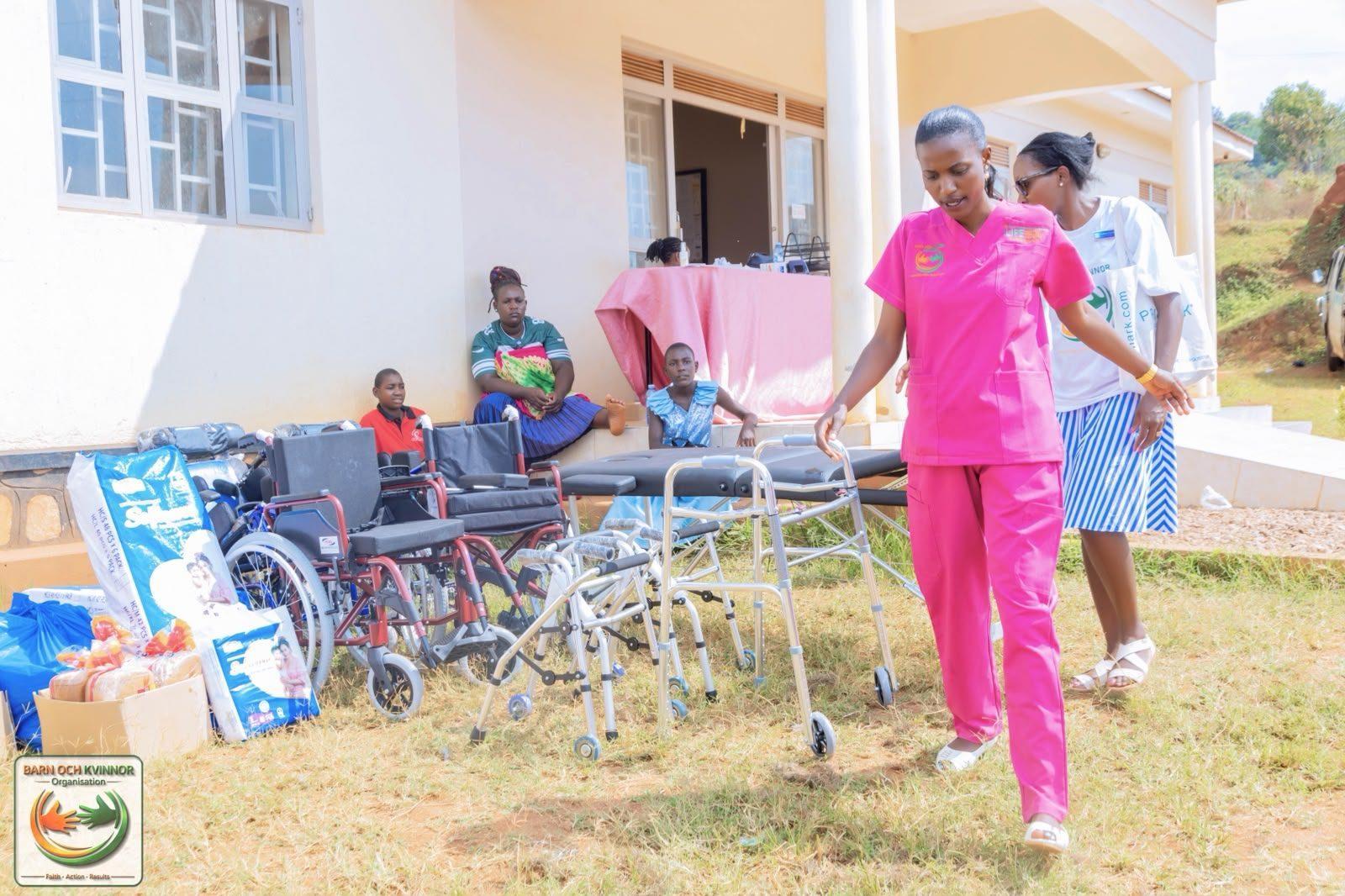
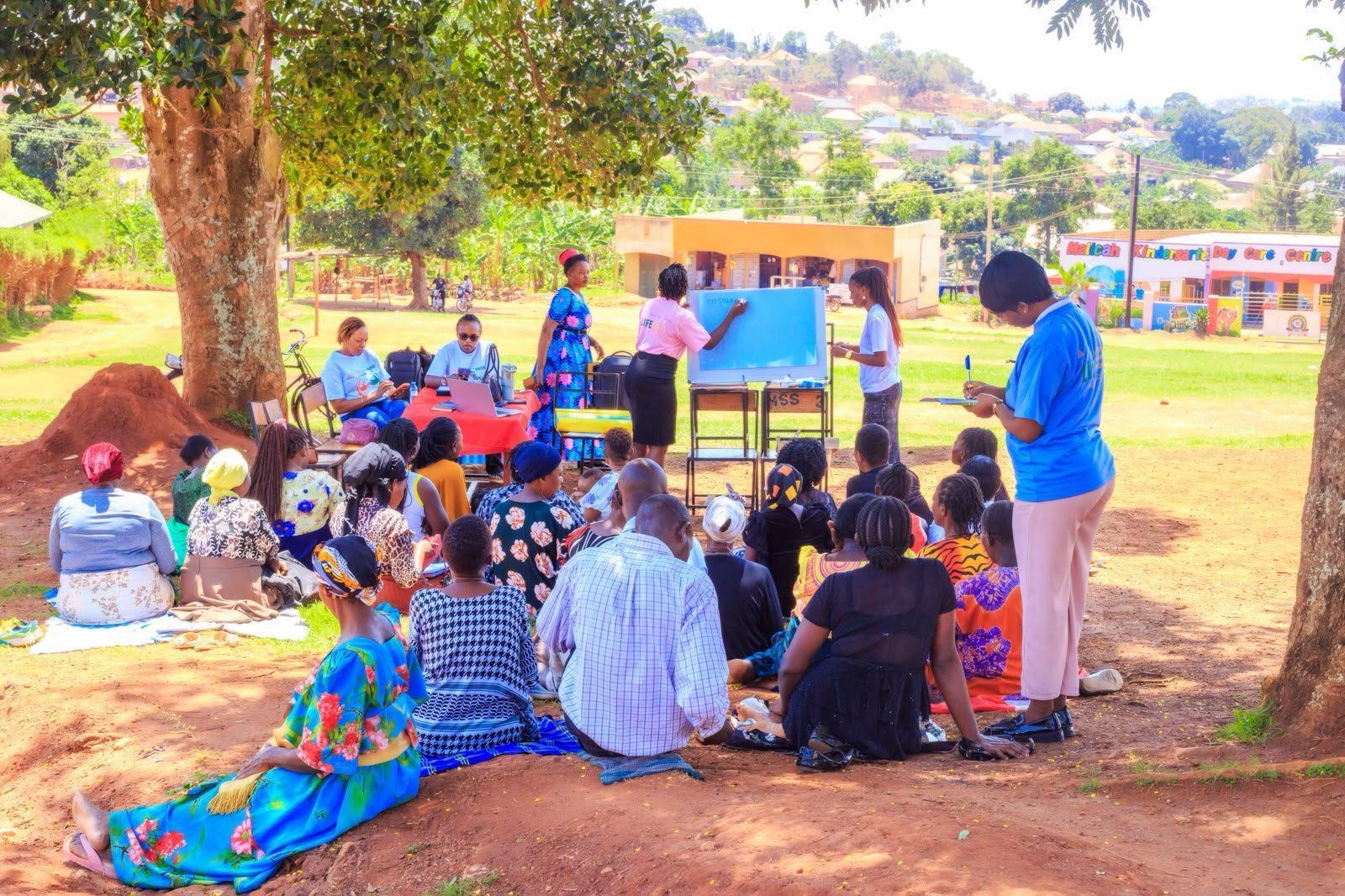
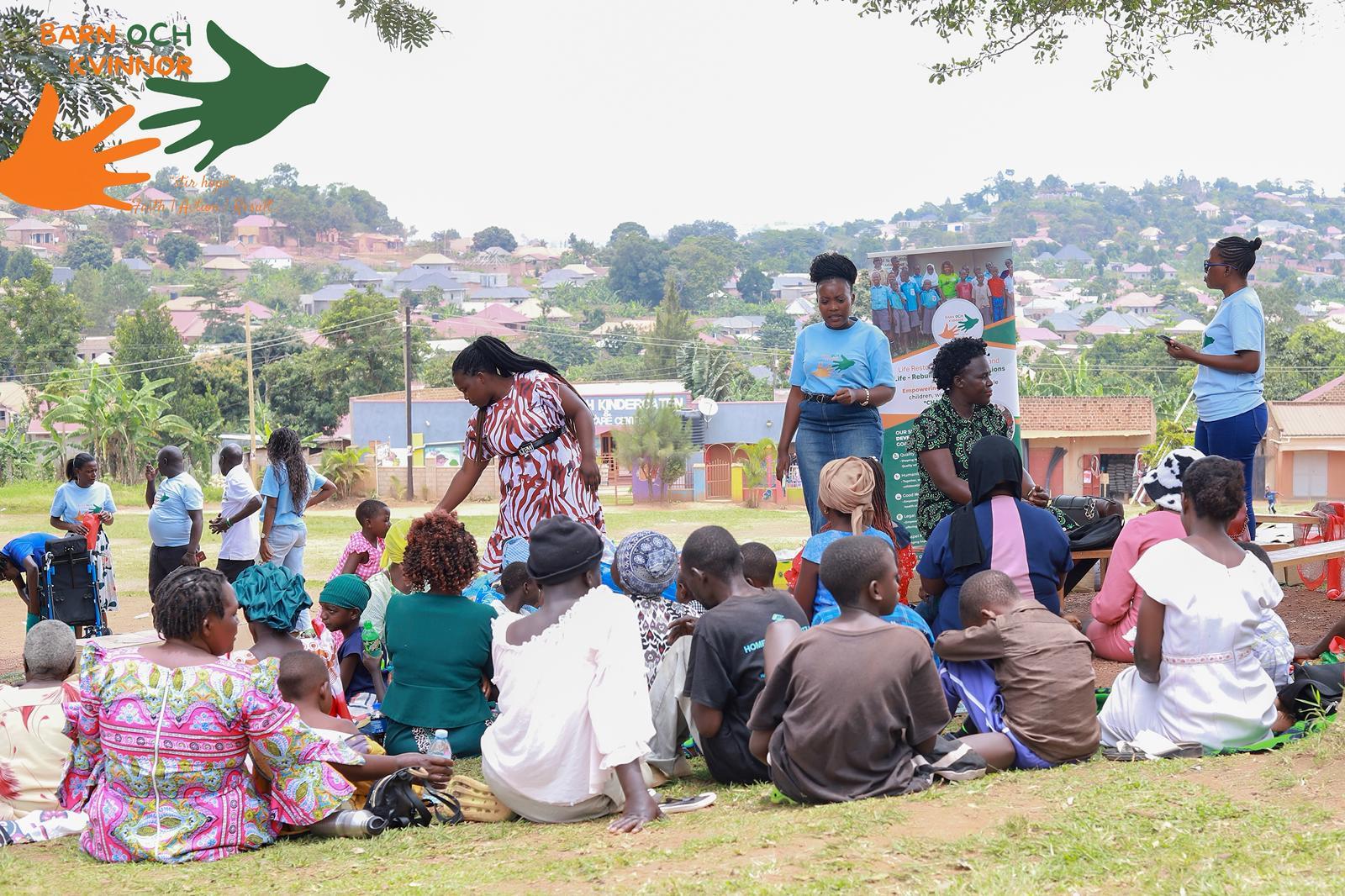
Many families cannot reach a health facility, so we go to them. Through community outreaches, we identify children who need support, and through regular follow-up, we make sure care continues long after the first visit.
Therapy and Rehabilitation
Therapy helps children build essential skills and greater independence:
Physiotherapy to improve movement, posture and muscle control
Speech and language therapy to strengthen communication
Occupational therapy to build independence in everyday activities such as eating, dressing and play
Assistive Devices
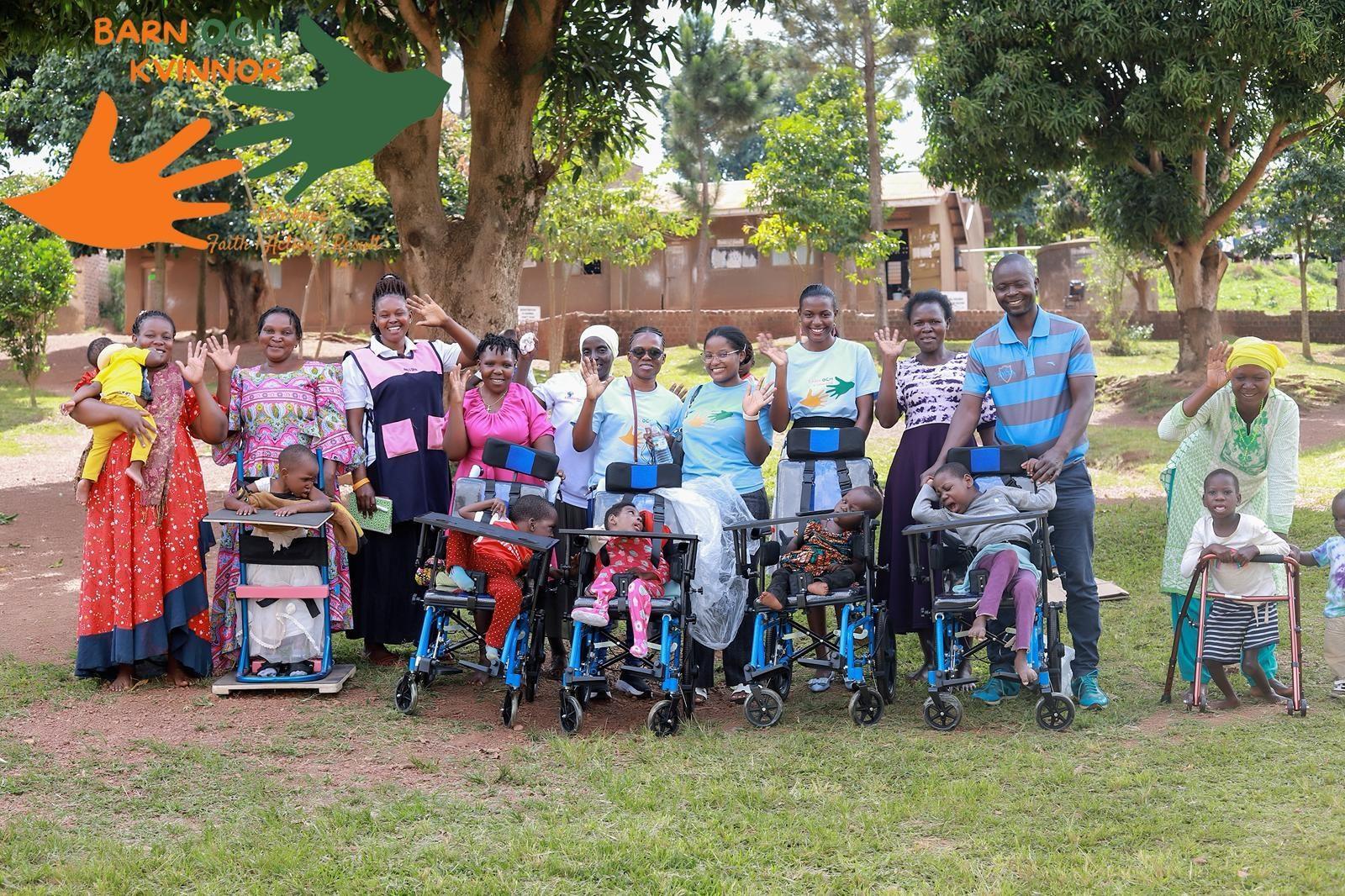
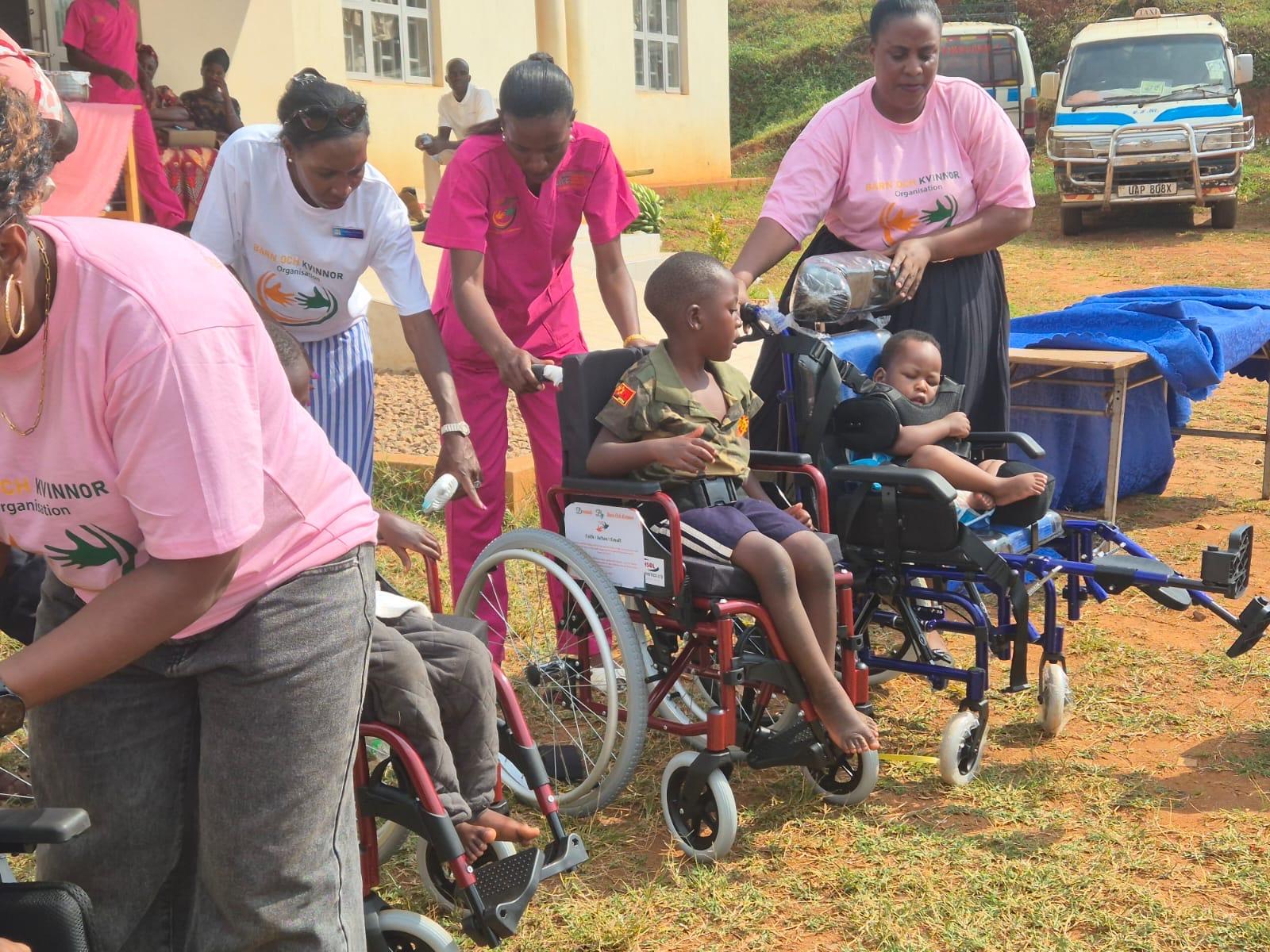
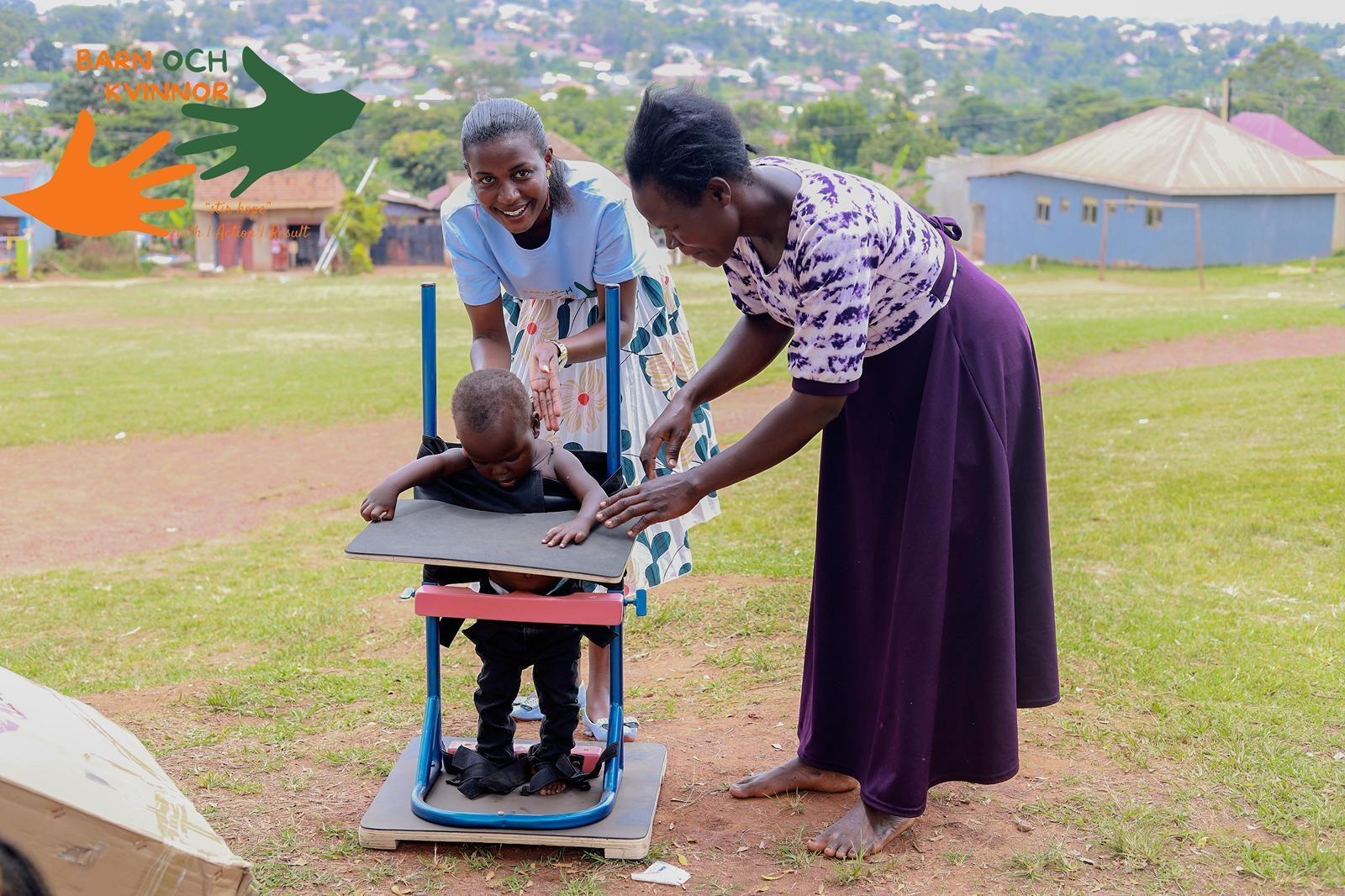
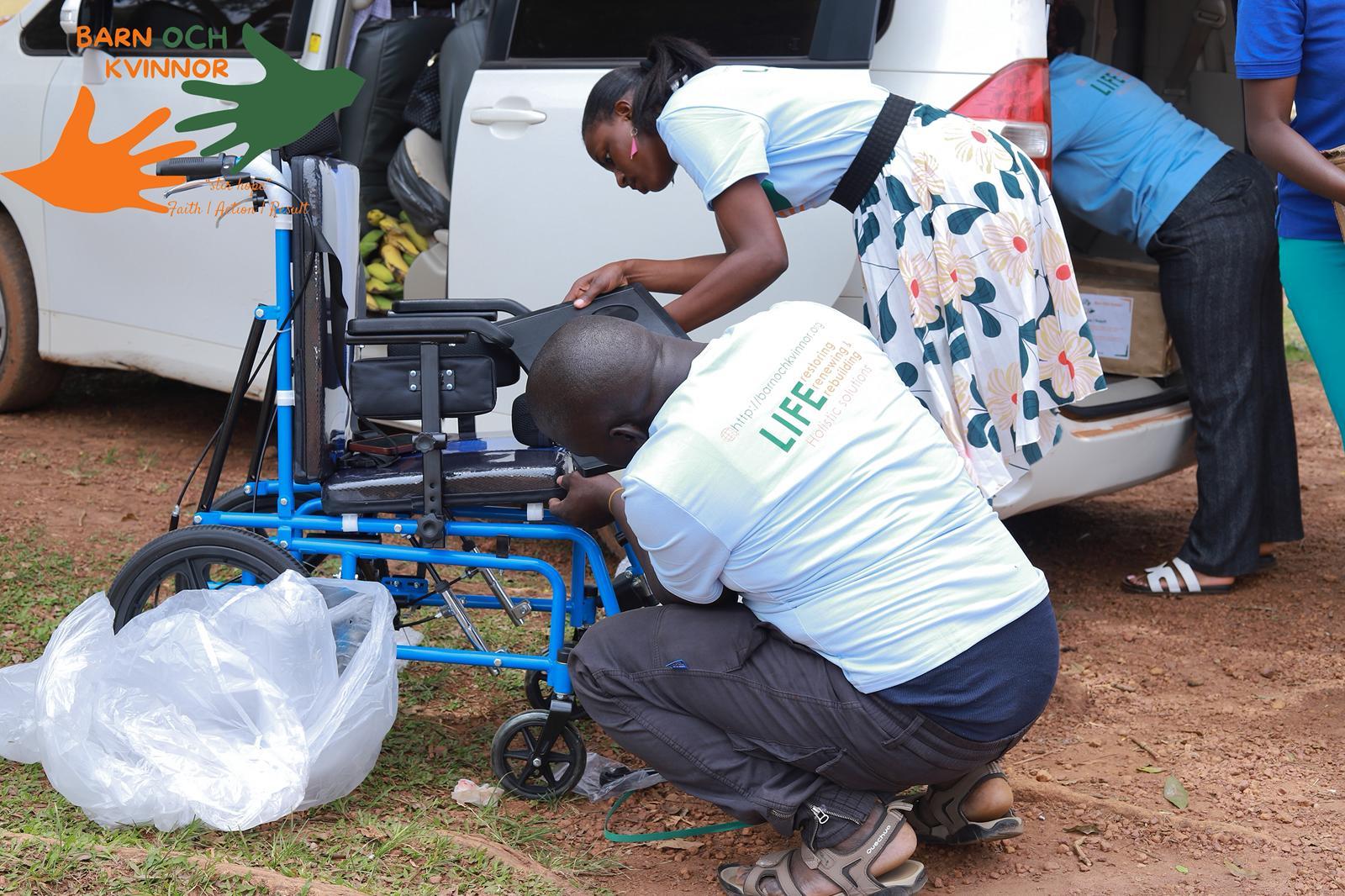
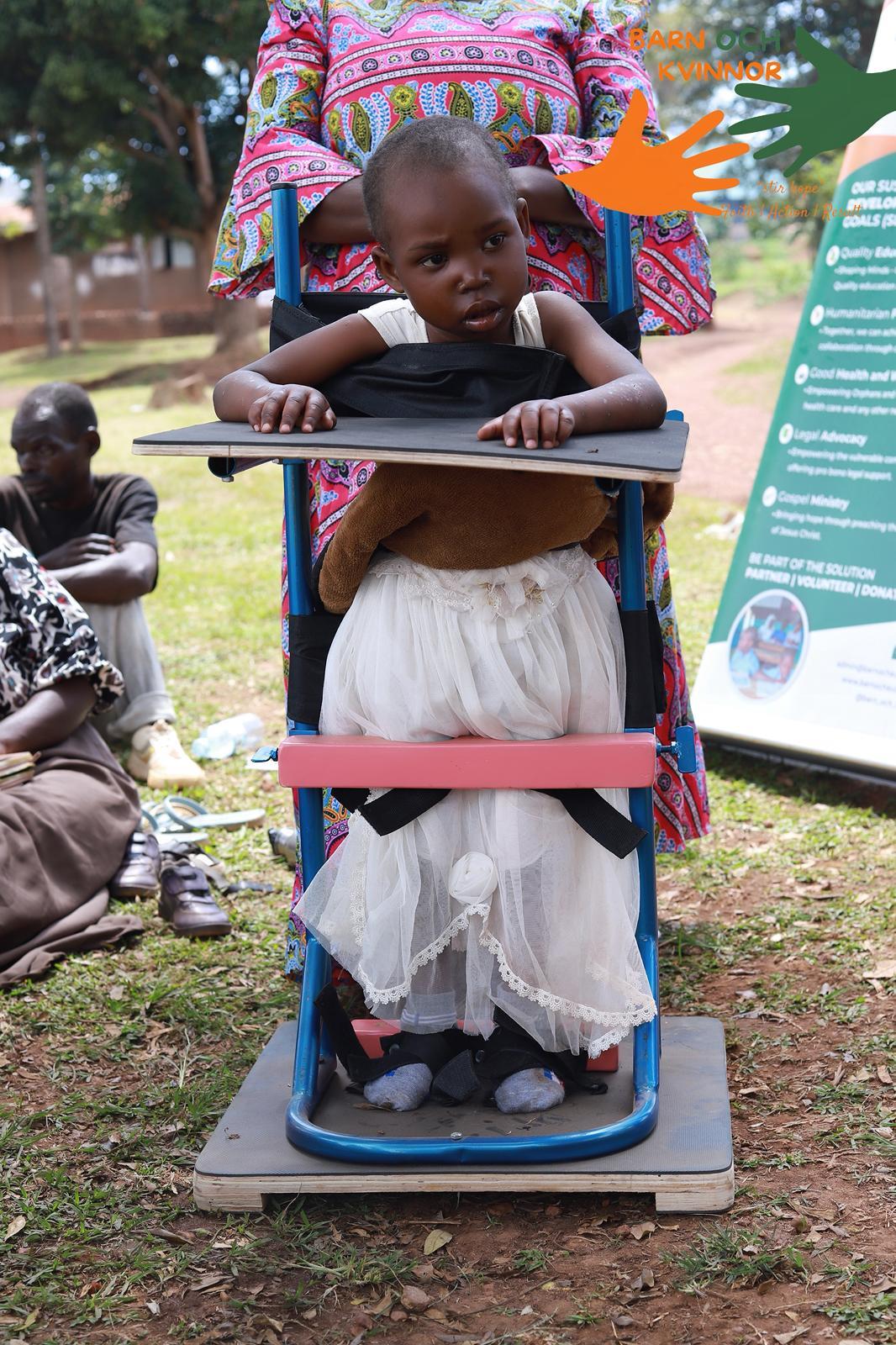
The right device can change a child’s life. We assess each child’s needs and provide assistive devices such as wheelchairs, supportive seating, standing frames and walkers, so children can move, learn and take part in family and community life.
Family and Caregiver Support
Caring for a child with special needs takes a whole community, and we want to be part of yours.
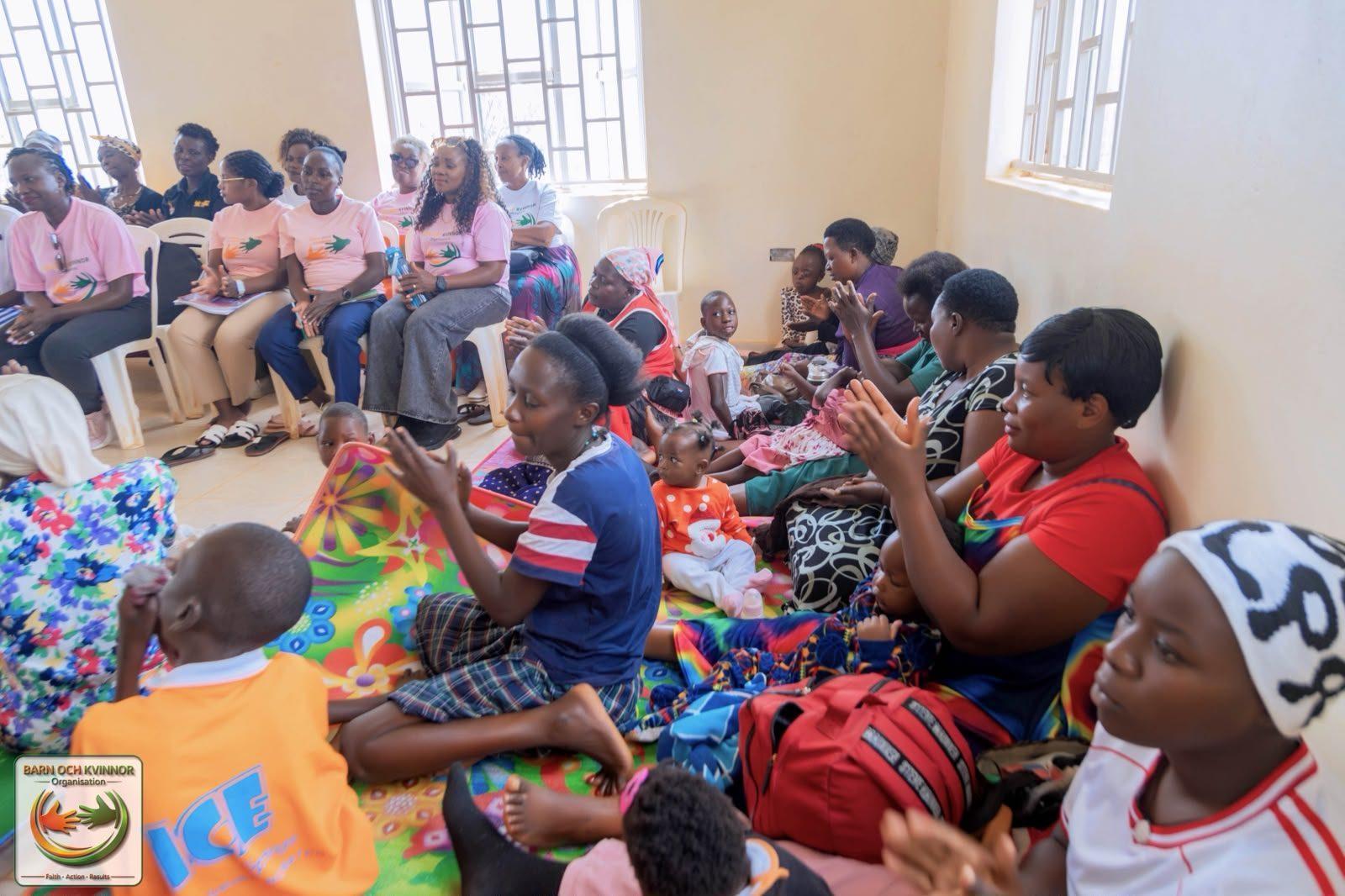
Parent support groups: a safe, welcoming, judgment-free space where parents meet others who understand. They share challenges, successes, and advice, build lasting friendships, and discover they are not alone. Research in Uganda shows that sharing experiences with other mothers in similar situations is linked to a more positive caring experience.
Counseling: emotional and mental health support for parents and families
Skills training: practical home-care skills for caregivers
Monthly support: information, resources and practical help for families
Economic Empowerment for Mothers with Children with Disabilities
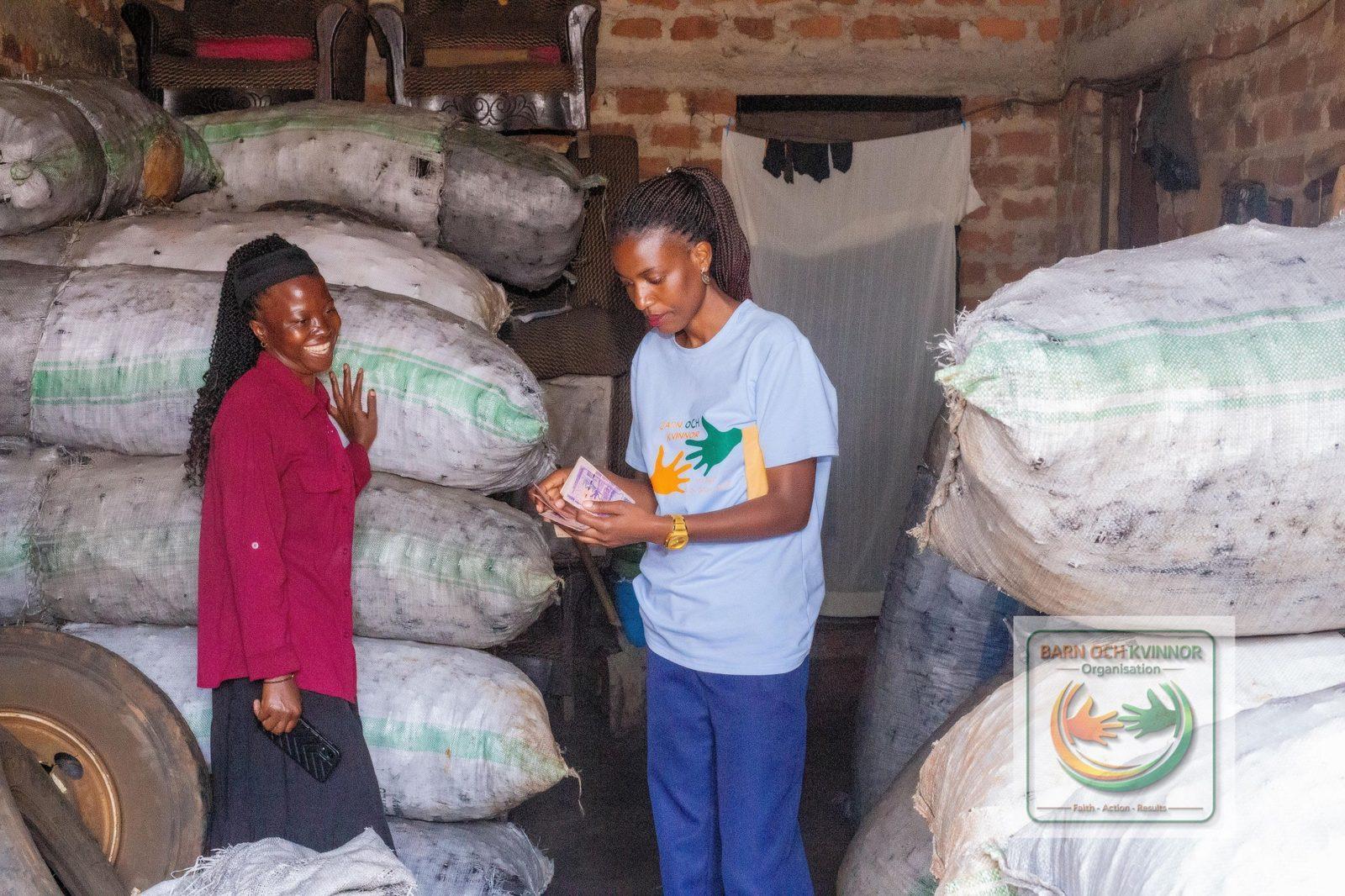
Through our Income Generating Activities (IGA) project, mothers receive start-up support for a small business, such as a retail shop or charcoal selling, along with mentoring in bookkeeping and saving.
mothers have started their businesses
3
more caregivers have been assessed and are waiting for support
24
A steady income allows a mother to care for her child and plan for the future.
Capacity Building
We help young people living with disabilities build independent futures through digital skills training and support to start their own businesses.
Advocacy and Awareness
Changing hearts and minds, one conversation at a time:
Community sensitization to challenge stigma and promote inclusion
Policy advocacy for disability-friendly laws and practices
Media campaigns, including awareness walks, radio and TV interviews, and social media
Our Vision: Hope Home
We are working towards Hope Home, a rehabilitation center for children and persons with disabilities in Wakiso District. It will offer therapy, parent support, and a safe place for children to learn and play.
Our Story
Creating lasting change together. With our dedicated team and partners, we work to create real, lasting change so every child living with a disability can reach their full potential.
Be Part of the Change
Every child deserves the chance to thrive. Your support helps us grow these programs and reach more children and mothers who need them. Join us in building a more inclusive community.